Who / What
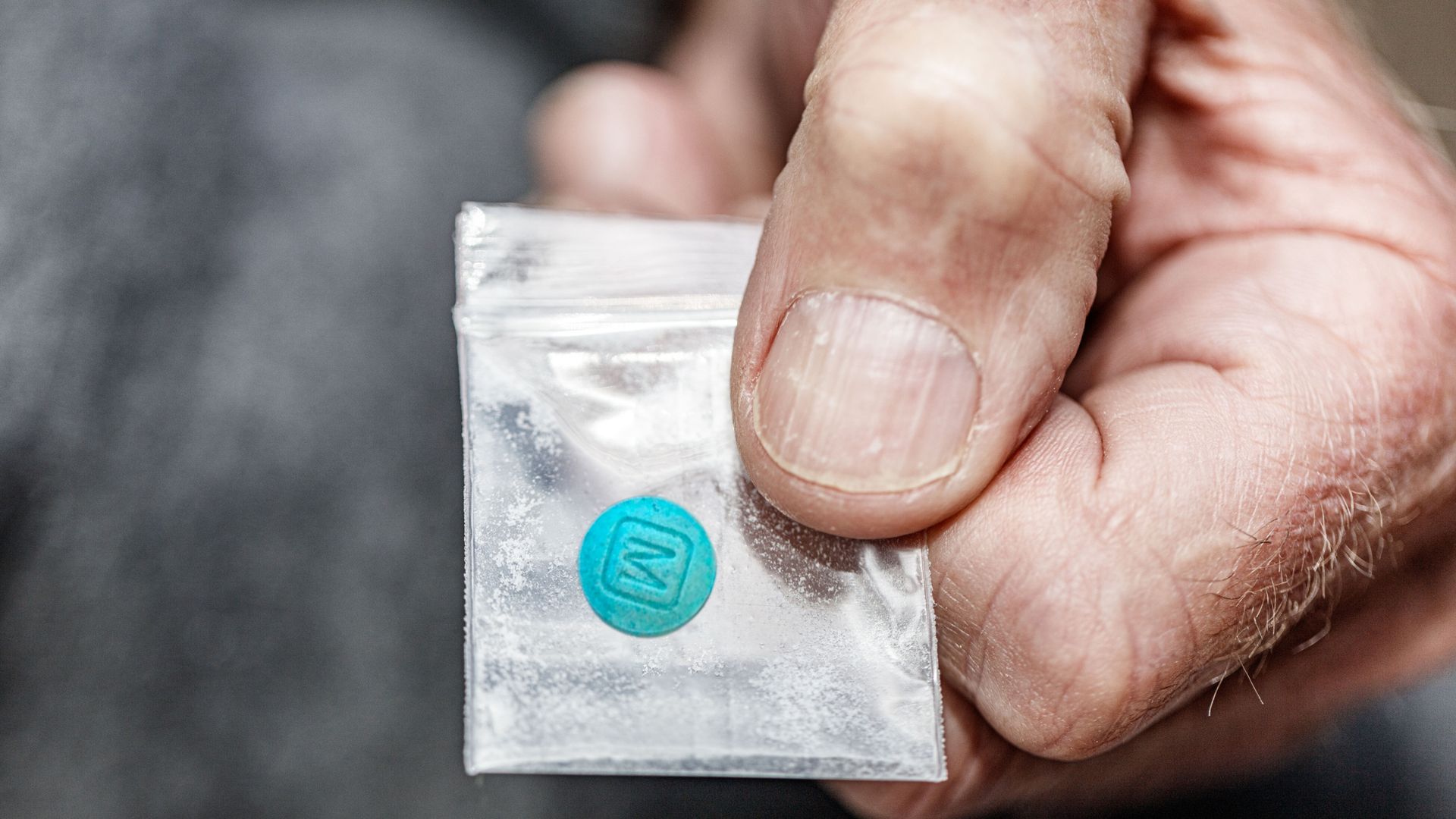
Opioid is not an organization but a class of psychoactive chemical compounds. These substances either derive from the opium poppy plant or are synthetic mimics. They function by binding to opioid receptors in the brain and other organs, producing morphine-like effects such as pain relief.
Background & History
The use of opioids dates back centuries, originating from the natural opiates found in the opium poppy. Key historical developments include the isolation of morphine in the early 19th century and the subsequent creation of synthetic opioids. Throughout the 20th and 21st centuries, opioids have been central to pain management, though their misuse has led to significant public health crises.
Why Notable
Opioids are notable for their crucial role in medical pain relief, making them indispensable in clinical settings. However, their high potential for addiction and abuse has resulted in widespread societal issues, including the opioid epidemic. This dual nature of benefit and harm underscores their significant impact on public health policies and pharmaceutical regulations worldwide.
In the News
Opioids remain highly relevant due to ongoing efforts to combat the opioid crisis through legislation, treatment programs, and the development of less addictive alternatives. Recent news often highlights lawsuits against pharmaceutical companies and advancements in pain management therapies. The class continues to be a focal point in discussions about drug policy and public health.