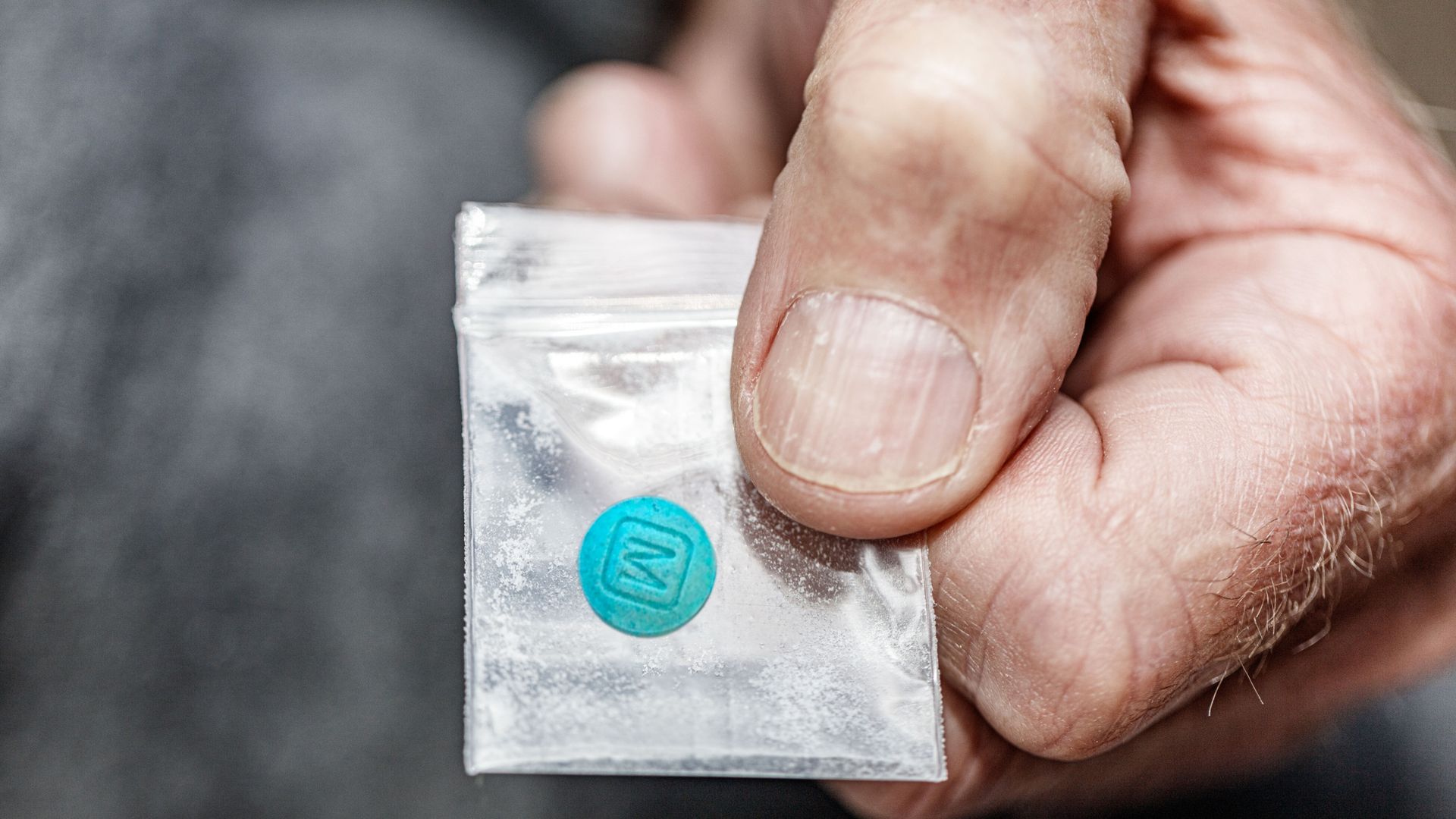
Who / What
A drug overdose refers to the ingestion or application of a drug or other substance in quantities significantly greater than recommended levels. The term is typically used when such use poses a potential risk to health, which may result in a toxic state or death.
Background & History
The concept of drug overdose has existed as long as drugs have been used medicinally or recreationally. Historically, the understanding and medical response to overdoses evolved with toxicology and emergency medicine. Key milestones include the development of antidotes like naloxone for opioid overdoses and public health initiatives to address overdose epidemics.
Why Notable
Drug overdose is notable as a major public health issue causing significant morbidity and mortality worldwide, particularly during opioid crises. It has led to widespread harm reduction efforts, such as safe injection sites and overdose prevention education. The topic drives significant medical research, policy debates, and international health strategies.
In the News
Drug overdose remains highly relevant due to ongoing opioid epidemics and rising overdose deaths involving synthetic drugs like fentanyl. Recent public health responses include expanding access to naloxone and treatment programs. The issue continues to influence legislation and community health initiatives globally.