Who / What
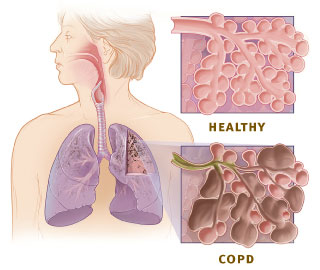
Chronic obstructive pulmonary disease (COPD) is a long-term lung condition characterized by progressively worsening difficulty in breathing. It results from damage to the airways and lung tissue, leading to reduced airflow and impaired oxygen exchange in the lungs.
Background & History
COPD develops gradually over time, typically as a result of long-term exposure to lung irritants, with cigarette smoke being the most common cause historically. The understanding of COPD as a distinct disease entity evolved throughout the 20th century, consolidating conditions like chronic bronchitis and emphysema under its umbrella. Key milestones include the establishment of clear diagnostic criteria and the development of treatments aimed at symptom management rather than cure.
Why Notable
COPD is a major global cause of morbidity and mortality, representing a significant public health burden due to its high prevalence and chronic, debilitating nature. It is notable for being a leading cause of death worldwide and a primary driver of healthcare utilization. The disease's progressive nature and impact on quality of life underscore its clinical and societal importance, driving extensive research into management and slowing progression.
In the News
COPD remains highly relevant due to its status as a leading cause of death globally, with ongoing public health initiatives focused on prevention, particularly smoking cessation. Recent developments continue to emphasize the importance of early diagnosis and the management of exacerbations, especially in the context of risks from respiratory infections like influenza and COVID-19.