Who / What
Hawaii is an island state of the United States located in the Pacific Ocean. It's comprised of 137 volcanic islands, forming the Hawaiian archipelago. It is one of the two non-contiguous U.S. states.
Background & History
Hawaii originated as a collection of volcanic islands and was historically an independent sovereign nation. It was annexed by the United States in 1898. Hawaii is unique as it is the only state that is an archipelago and is south of the Tropic of Cancer. The islands have a rich history tied to Polynesian voyagers and a distinct cultural heritage.
Why Notable
Hawaii is notable for being the only U.S. state that is an archipelago, situated far from the North American mainland in the Pacific Ocean. It boasts a tropical climate and has regions with a distinctive tropical ecosystem. Furthermore, it holds historical significance as one of the two U.S. states (along with Texas) that were internationally recognized sovereign countries before becoming part of the United States.
In the News
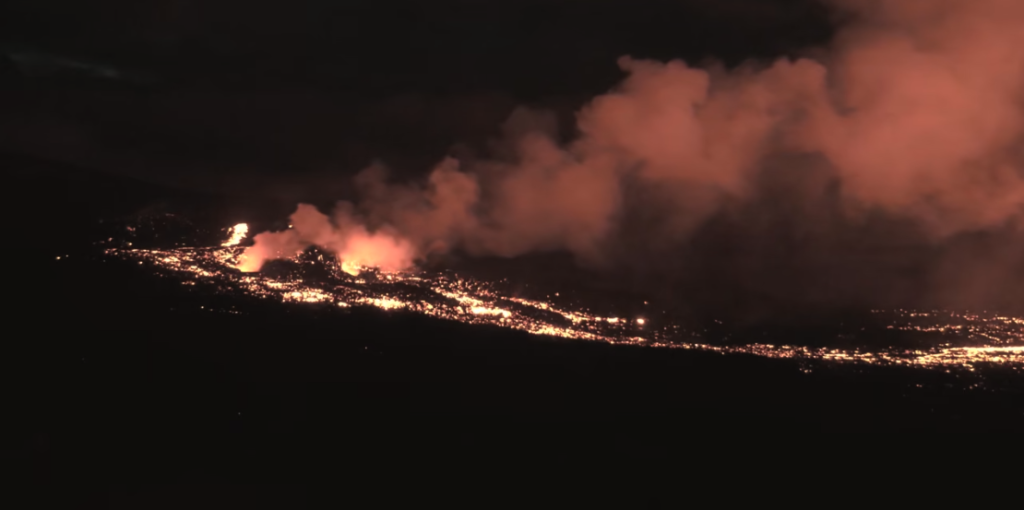
Hawaii continues to be relevant due to its unique geographical location, cultural influence, and vulnerability to natural disasters like volcanic eruptions and wildfires. Recent news often focuses on issues related to tourism, environmental conservation, and the impacts of climate change on the islands.