# November
Who / What
November is the eleventh month of the year in both the Julian and Gregorian calendars. It consists of 30 days, making it one of the shorter months.
---
Background & History
November was originally the ninth month of the Roman calendar (c. 750 BC) under the *Calendar of Romulus*. The name derives from Latin *novem*, meaning "nine," reflecting its position in the original 10-month year. When January and February were added to the calendar, November retained its name despite shifting to the eleventh position.
The month was historically significant for harvest festivals (e.g., Saturnalia) and military events during ancient Rome. Its association with remembrance persists today through holidays like Veterans Day and Armistice Day.
---
Why Notable
November’s cultural and historical weight stems from its ties to harvest traditions, remembrance ceremonies, and seasonal changes. It marks the transition into winter in the Northern Hemisphere, influencing agricultural cycles and holiday preparations. The month also hosts key observances such as Thanksgiving (in some countries) and the start of the holiday shopping season.
---
In the News
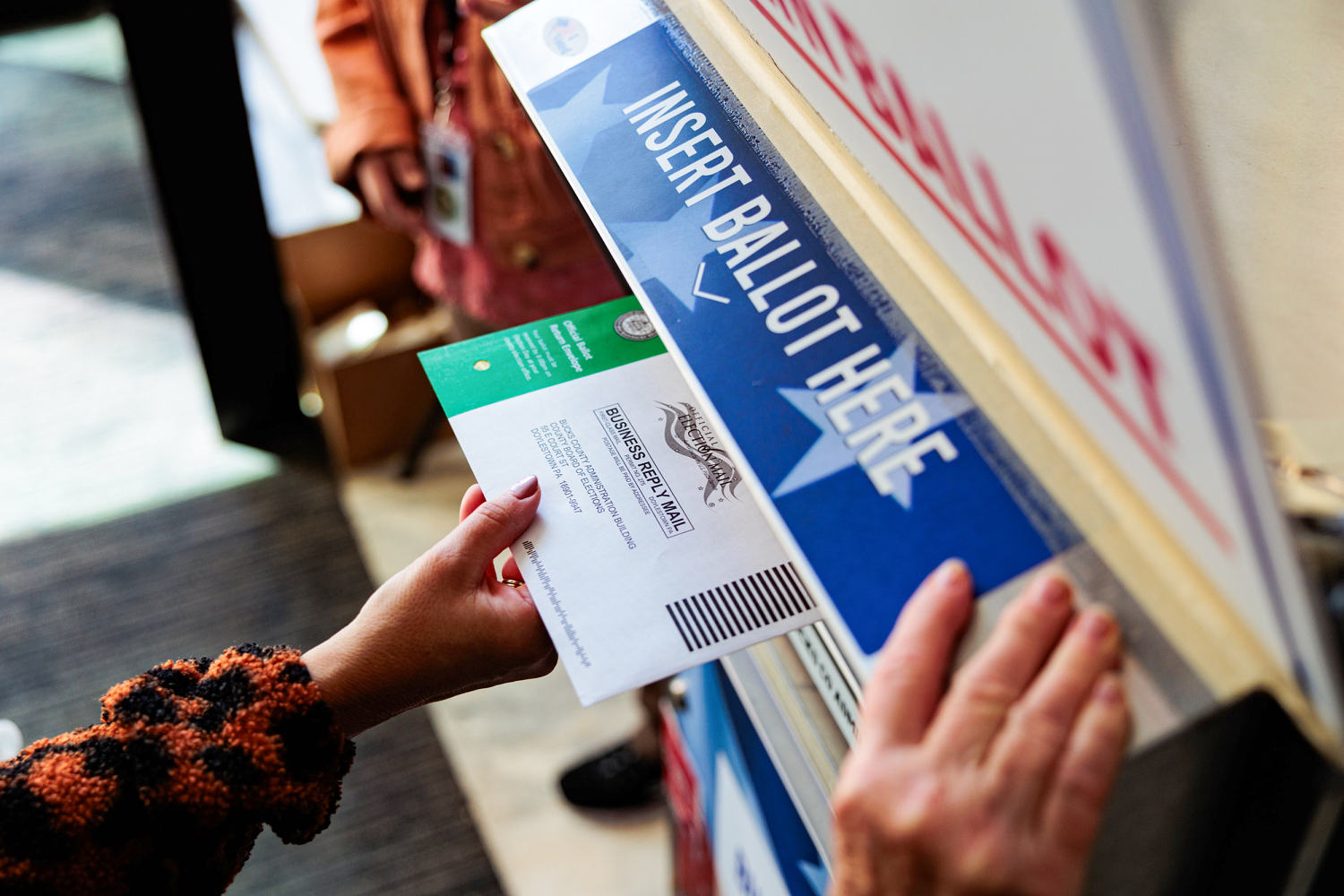
November remains relevant for its role in seasonal transitions, economic impacts (e.g., Black Friday sales), and commemorative events like Veterans Day or Remembrance Day. Recent developments include its association with political campaigns (e.g., U.S. elections) and climate discussions tied to autumn’s shorter daylight hours.
---
Key Facts
---