# Speaker
Who / What
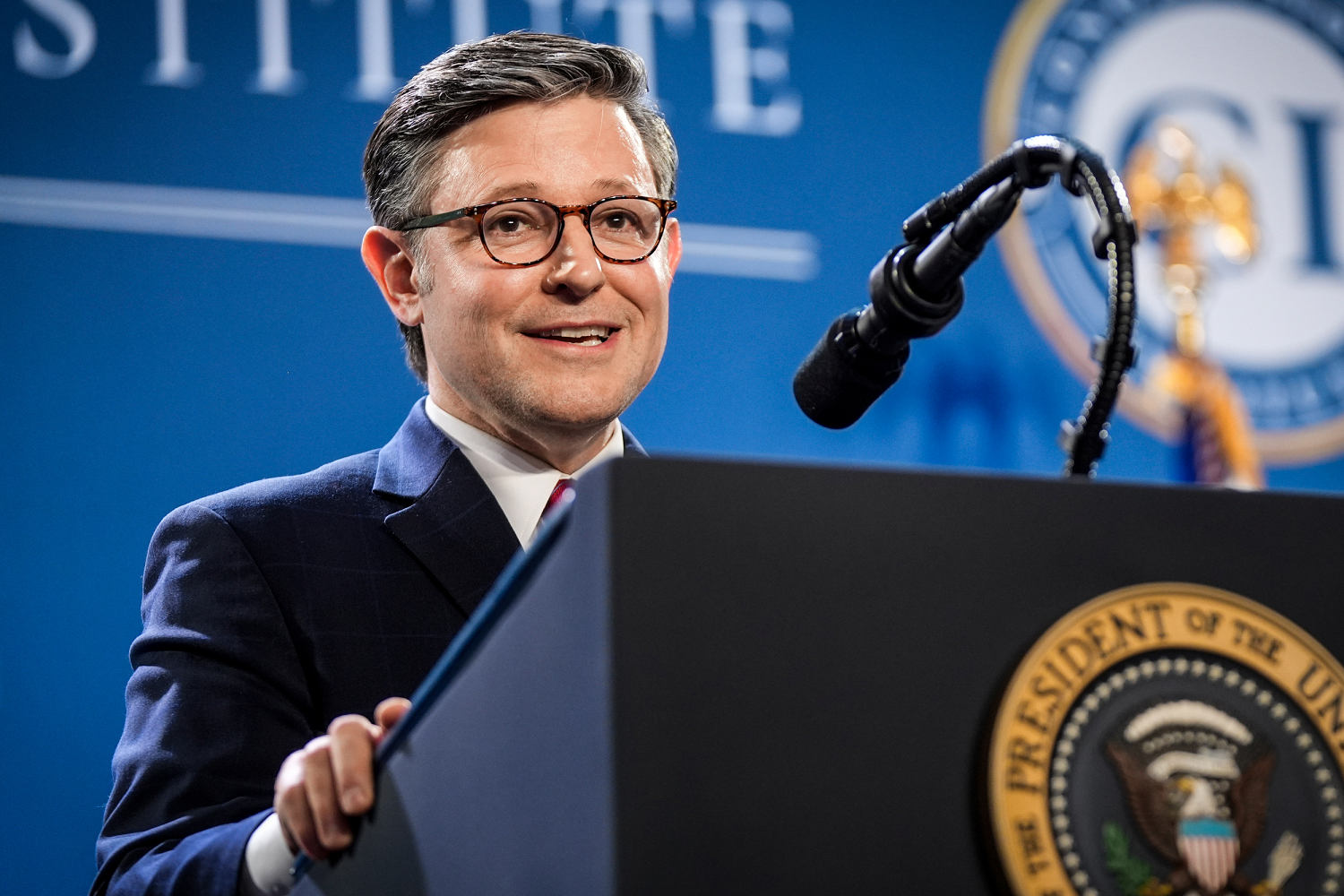
The term **"Speaker"** most commonly refers to the **officer of a legislative body** who presides over its proceedings. In many parliamentary systems, including those in the UK and Commonwealth nations, the Speaker is an elected representative who ensures order, facilitates debate, and maintains the rules of the chamber.
Background & History
The role of a Speaker dates back to ancient times, with origins tied to early assemblies where a single leader was chosen to mediate disputes. In modern parliamentary democracies, the position became institutionalized in the 17th century during the English Civil War and later formalized in constitutional frameworks like those of the UK (e.g., the House of Commons) and other nations with bicameral legislatures. The Speaker’s role evolved from a ceremonial figure to one with significant executive responsibilities, particularly in ensuring fair representation and procedural integrity.
Why Notable
The Speaker holds a pivotal position in legislative processes, acting as both a symbol of impartiality and a key decision-maker. Their authority extends beyond ceremonial duties—such as recognizing speakers or resolving disputes—to practical functions like appointing committee chairs and managing parliamentary business. Historically, Speakers have also played roles in political maneuvering, often serving as intermediaries between the executive and legislative branches.
In the News
While not a widely publicized entity outside of parliamentary circles, the concept of a Speaker remains relevant today due to its centrality in democratic governance. Recent developments include debates over accountability (e.g., impeachment processes) and the influence of modern technology on how Speakers conduct proceedings. The role’s enduring significance underscores its importance in maintaining checks and balances within legislative systems.