Who / What
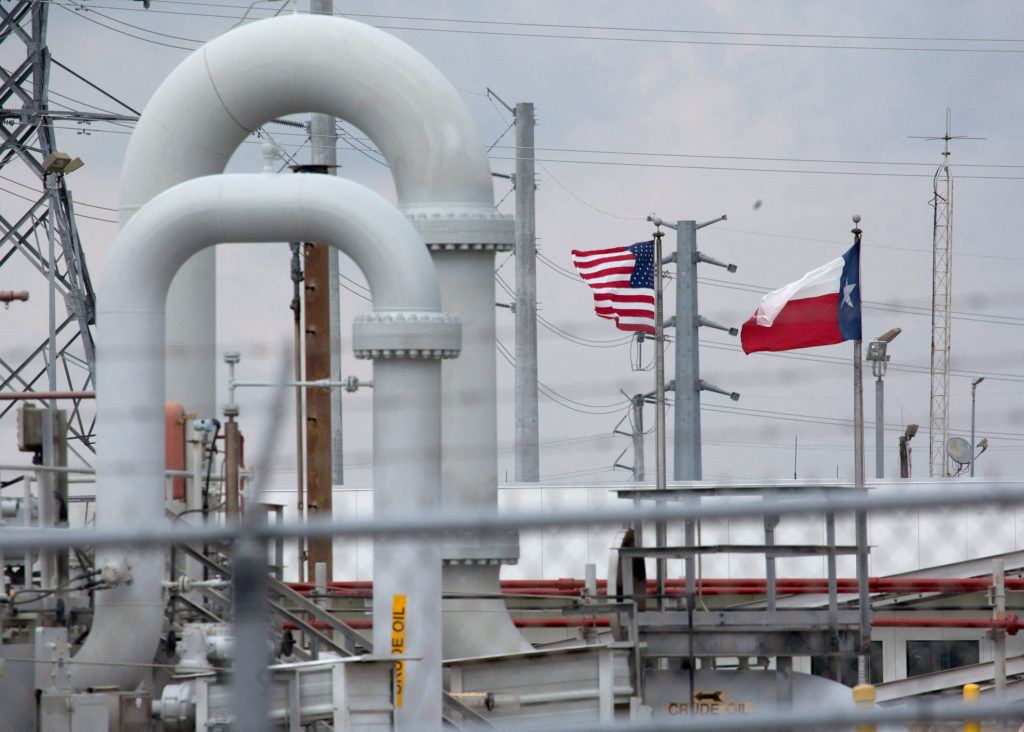
The Strategic Petroleum Reserve (SPR) is a collection of crude oil and refined petroleum products held in storage by the U.S. government. It is designed to mitigate supply disruptions in the petroleum industry and ensure a stable energy supply for the United States. The SPR is a critical component of U.S. energy security policy.
Background & History
Established in 1975 in response to the energy crisis, the Strategic Petroleum Reserve was initially created to provide a buffer against potential oil supply disruptions during geopolitical instability. The initial legislation authorized the purchase and storage of petroleum products. The SPR has been expanded several times over the years, particularly following major events like the Persian Gulf War and the 2008 financial crisis, reflecting evolving national security needs.
Why Notable
The SPR plays a vital role in protecting the U.S. economy and national security by providing a readily available supply of petroleum during emergencies. It allows the government to respond to disruptions caused by natural disasters, geopolitical events, or other unforeseen circumstances. The reserve's size and strategic location make it a significant tool for influencing global oil markets and ensuring energy stability.
In the News
The SPR has been in recent news due to releases of oil reserves to combat rising gasoline prices and address concerns about energy security, particularly following the Russian invasion of Ukraine. These releases are part of broader efforts by the U.S. government to manage energy supply and demand and mitigate inflationary pressures.