# Swiss Broadcasting Corporation (SRG SSR)
---
Who / What
The **Swiss Broadcasting Corporation** (**SRG SSR**) is a public broadcasting agency in Switzerland, operating as the country’s primary provider of radio and television services. It serves as a non-profit organization funded primarily through mandatory licence fees, ensuring impartial and culturally diverse media coverage across four official languages: German, French, Italian, and Romansh.
---
Background & History
Founded in **1931**, the Swiss Broadcasting Corporation emerged from the merger of existing radio stations to meet Switzerland’s growing need for unified public broadcasting. Its establishment reflected the country’s early commitment to a centralized media system, though its structure evolved with Switzerland’s direct democracy and multilingual traditions. Key milestones include the expansion of television services in the mid-20th century and the integration of Romansh-language programming in later decades. The organization remains headquartered in **Bern**, adapting over time to technological advancements while preserving its role as a neutral, publicly funded broadcaster.
---
Why Notable
SRG SSR stands out for its unique mandate to serve all Swiss citizens regardless of language or region, ensuring access to high-quality media across four official languages. As Switzerland’s sole public broadcasting entity, it plays a critical role in upholding cultural diversity, democratic discourse, and national identity through unbiased journalism and educational programming. Its financial sustainability relies on licence fees (79% of funding), underscoring its independence from commercial interests. Achievements include pioneering innovations like early Swiss television broadcasts and maintaining robust regional content despite political fragmentation.
---
In the News
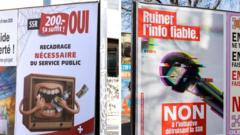
SRG SSR continues to adapt to modern challenges, including digital transformation and evolving audience demands. Recent developments highlight its efforts to expand online services while balancing funding pressures from licence fee reforms. Its relevance remains central in Switzerland’s media landscape, particularly amid debates on public service broadcasting’s future role in an increasingly commercialized industry.
---
Key Facts
---