Who / What
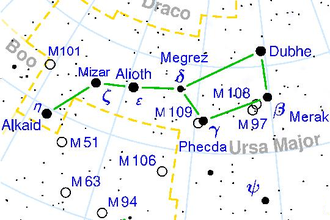
The Plough and the Stars is a four-act play written by Irish playwright Seán O'Casey. It is a dramatic work set in Dublin that addresses the events of the 1916 Easter Rising. The play's title refers to the Starry Plough flag, which was used by the Irish Citizen Army.
Background & History
The play was first performed on 8 February 1926 at the Abbey Theatre in Dublin. It was written during a period of significant political and social upheaval in Ireland following the Easter Rising and the subsequent War of Independence. O'Casey used the play to explore the impact of the Rising on ordinary Dubliners, blending tragedy and comedy. Its initial performances were met with protests due to its perceived irreverent portrayal of nationalist symbols.
Why Notable
The Plough and the Stars is notable as one of O'Casey's major works and a significant piece of Irish literature. It critically examines the human cost of political idealism, offering a ground-level perspective on a pivotal moment in Irish history. The play remains a staple in the repertoire of Irish theatre and is studied for its complex characters and social commentary. Its controversial debut highlighted tensions in Irish society regarding the commemoration of the Easter Rising.
In the News
The play continues to be revived regularly in Ireland and internationally, maintaining its relevance as a commentary on nationalism and social conflict. Recent productions often explore contemporary parallels, underscoring ongoing debates about sacrifice, revolution, and civic responsibility. It remains a touchstone for discussions about Irish identity and historical memory.