# Urban Warfare
Who / What
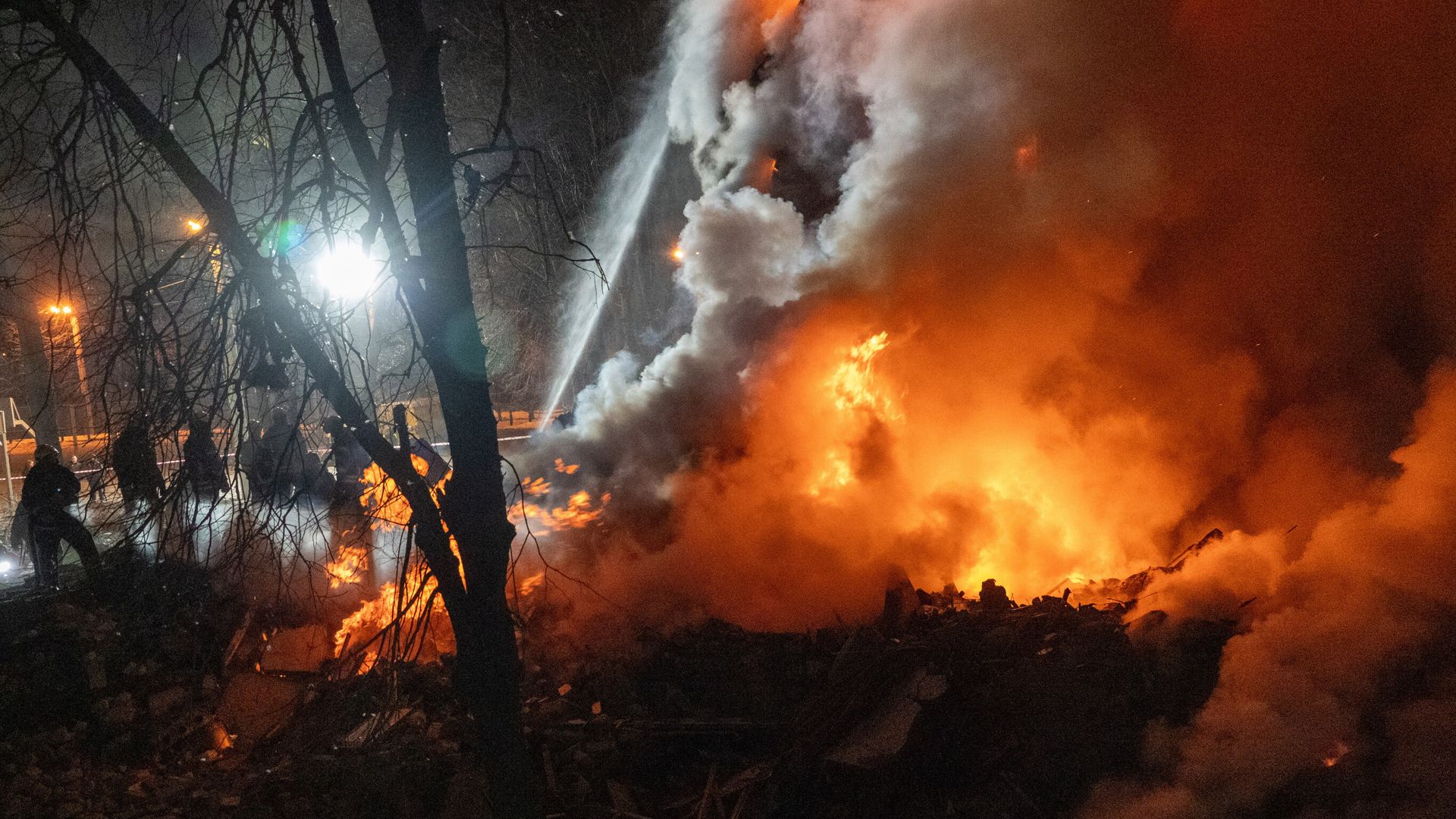
Urban warfare refers to military engagements conducted in densely populated urban environments like towns and cities. Unlike open-field combat, it involves unique challenges such as civilian presence, complex terrain, and the need for strategic maneuvering within built structures.
---
Background & History
Urban warfare emerged as a distinct concept during conflicts where battles were fought within city limits rather than in open fields or forests. Historical examples include sieges of cities like Constantinople (6th century) and the Battle of Vienna (17th century), which showcased early adaptations of military tactics for urban settings. The 20th century saw further evolution with World War I’s trench warfare, where soldiers adapted to combat in fortified towns and cities. Modern urban warfare has become increasingly relevant due to the rise of asymmetric conflicts, insurgencies, and terrorist operations targeting civilian populations.
---
Why Notable
Urban warfare is notable for its high stakes—both militarily and humanely—due to the vulnerability of civilians caught in crossfire. It demands specialized strategies, including urban search-and-rescue efforts, psychological warfare, and adaptive tactics to minimize collateral damage. The field has gained prominence in contemporary conflicts, such as those in Iraq, Syria, and Afghanistan, where insurgents and state forces have exploited urban environments for guerrilla warfare.
---
In the News
Urban warfare remains a critical topic in modern geopolitics, particularly amid rising tensions between nation-states and non-state actors. Recent developments include the use of drones, cyberattacks, and improvised explosive devices (IEDs) in city centers, highlighting the evolving nature of urban combat. Its relevance persists due to ongoing conflicts in Africa, Asia, and Europe, where urban areas serve as battlegrounds for both conventional and unconventional warfare.
---
Key Facts
---