

Explainer-Who might succeed in Iran’s theocratic system of power?
#Iran #succession #Supreme Leader #Assembly of Experts #Mojtaba Khamenei #Ebrahim Raisi #IRGC
📌 Key Takeaways
- Iran's succession process is opaque and determined by the Assembly of Experts, not public vote.
- Potential successors include hardline clerics like Mojtaba Khamenei and Ebrahim Raisi, as well as other influential figures.
- The selection is heavily influenced by the Islamic Revolutionary Guard Corps (IRGC) and conservative factions.
- The outcome will significantly impact Iran's domestic policies and international relations.
🏷️ Themes
Political Succession, Theocratic Governance
📚 Related People & Topics
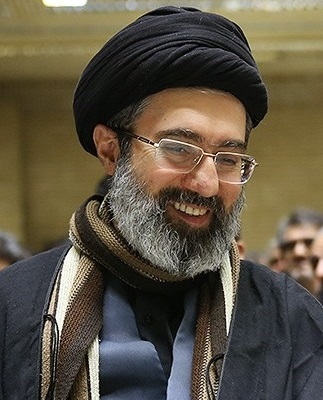
Mojtaba Khamenei
Iranian politician and cleric (born 1969)
Mojtaba Hosseini Khamenei (born 8 September 1969) is an Iranian politician and Muslim cleric. The second eldest child of Ali Khamenei, the former supreme leader of Iran, Mojtaba Khamenei served in the Iran–Iraq War from 1987 to 1988, and also reportedly took control of the Basij that was used to sup...

Assembly of Experts
Iranian governmental body
The Assembly of Experts (Persian: مجلس خبرگان رهبری, romanized: Majles-e Khabargan-e Rahbari), also translated as the Assembly of Experts of the Leadership, is the deliberative body empowered to appoint the Supreme Leader of Iran. All directly elected members must first be vetted by the Guardian Cou...

Iran
Country in West Asia
# Iran **Iran**, officially the **Islamic Republic of Iran** and historically known as **Persia**, is a sovereign country situated in West Asia. It is a major regional power, ranking as the 17th-largest country in the world by both land area and population. Combining a rich historical legacy with a...

Ebrahim Raisi
President of Iran from 2021 to 2024
Ebrahim Raisolsadati (14 December 1960 – 19 May 2024), better known as Ebrahim Raisi, was an Iranian cleric and politician who served as the eighth president of Iran from 2021 until his death in a helicopter crash in 2024. A protégé of former supreme leader Ali Khamenei and a Principlist, Raisi was ...
Supreme Leader
Topics referred to by the same term
A supreme leader or supreme ruler is a powerful figure with an unchallenged authority.
Entity Intersection Graph
Connections for Mojtaba Khamenei:
Mentioned Entities
Deep Analysis
Why It Matters
This news matters because it addresses the critical question of leadership succession in Iran, a major Middle Eastern power with significant influence on regional stability, nuclear proliferation concerns, and global energy markets. The succession process affects not only Iran's 85 million citizens but also international relations, particularly with Western nations and neighboring countries. Understanding potential successors helps anticipate future policy directions regarding Iran's nuclear program, regional proxy activities, and domestic governance approaches.
Context & Background
- Iran's political system combines theocratic and republican elements, with ultimate authority resting with the Supreme Leader who serves for life
- The current Supreme Leader Ali Khamenei, aged 85, has held the position since 1989 following the death of revolutionary founder Ayatollah Ruhollah Khomeini
- The Assembly of Experts, an 88-member clerical body elected every 8 years, is constitutionally responsible for selecting and supervising the Supreme Leader
- Previous succession in 1989 was relatively smooth but occurred during different geopolitical circumstances and with fewer institutional complexities
- Iran's power structure includes competing centers of influence including the Revolutionary Guards, judiciary, presidency, and clerical establishment
What Happens Next
The succession process will formally begin upon the current Supreme Leader's death or incapacitation, triggering an emergency meeting of the Assembly of Experts. Key developments to watch include increased political maneuvering among power centers, potential constitutional debates about succession procedures, and possible interim leadership arrangements. The timeline remains uncertain but could unfold rapidly given Khamenei's advanced age and recent health concerns.
Frequently Asked Questions
The Assembly of Experts, a clerical body elected by Iranian voters, is constitutionally responsible for selecting the Supreme Leader. However, other power centers including the Revolutionary Guards and existing clerical networks significantly influence the decision-making process.
Candidates must be Islamic jurists meeting specific religious qualifications, demonstrate political and social competence, and possess the correct revolutionary credentials. Practical considerations like age, health, and institutional support often prove equally important in the selection.
Different candidates would likely pursue varying approaches to relations with the West, nuclear negotiations, and regional conflicts. A more conservative successor might maintain current policies, while a pragmatic candidate could seek improved international relations and economic engagement.
The Islamic Revolutionary Guard Corps (IRGC) holds substantial political and economic power that enables significant influence over succession. While they cannot directly appoint the Supreme Leader, their support or opposition can determine which candidates become viable.
While no official candidates exist until a vacancy occurs, several figures are frequently mentioned including Ayatollah Ebrahim Raisi (current president), Ayatollah Ahmad Jannati (head of Assembly of Experts), and Mojtaba Khamenei (the current leader's son). All remain speculative until formal processes begin.