

Ending UK customs relief on low-value imports could push up prices, BCC says
#UK customs relief #low-value imports #price increase #British Chambers of Commerce #trade policy #Brexit #business costs #import tariffs
📌 Key Takeaways
- The British Chambers of Commerce warns that removing UK customs relief on low-value imports may lead to higher prices.
- The policy change could increase costs for businesses and consumers on imported goods.
- The BCC highlights potential impacts on trade efficiency and economic competitiveness.
- The statement reflects business community concerns over post-Brexit trade adjustments.
📖 Full Retelling
🏷️ Themes
Trade Policy, Economic Impact
📚 Related People & Topics
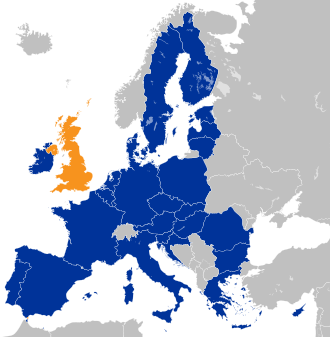
Brexit
Withdrawal of the UK from the EU
Brexit (; a portmanteau of "Britain" and "Exit") was the withdrawal of the United Kingdom (UK) from the European Union (EU). Brexit took place at 23:00 GMT on 31 January 2020 (00:00 1 February 2020 CET). The UK, which joined the EU precursor, the European Communities (EC), on 1 January 1973, is the ...
British Chambers of Commerce
Representative organization in the UK
The British Chambers of Commerce (BCC, formerly known prior to 1996 as the Association of British Chambers of Commerce) is the national representative body of 53 chambers of commerce across the UK. The chambers represent 50,000 businesses, which the BCC claims employs 6 million people.
Entity Intersection Graph
Connections for Brexit:
View full profileMentioned Entities
Deep Analysis
Why It Matters
This news matters because it directly impacts consumer prices and small businesses in the UK. Ending customs relief on low-value imports would increase costs for retailers who rely on affordable goods from overseas, potentially forcing them to raise prices for consumers. This affects everyday shoppers who purchase items like clothing, electronics, and household goods from international online retailers. The British Chambers of Commerce's warning highlights broader concerns about inflation and economic competitiveness as the UK adjusts post-Brexit trade policies.
Context & Background
- The UK previously had a £135 threshold below which imports were exempt from customs duties and VAT, a policy designed to simplify trade for low-value goods.
- This relief was eliminated in January 2021 as part of post-Brexit trade rule changes, but temporary easements were implemented to ease the transition for businesses.
- Many UK consumers and small businesses rely on affordable imports from countries like China for products ranging from electronics to clothing and accessories.
- The British Chambers of Commerce represents thousands of businesses across the UK and frequently advocates for trade policies that support economic growth and competitiveness.
What Happens Next
The UK government will likely face increased pressure from business groups to reconsider or modify the policy implementation. Retailers may begin adjusting their pricing strategies in anticipation of higher import costs, potentially visible in consumer prices within 3-6 months. Parliamentary committees may review the economic impact of the policy change, especially if inflation concerns persist. International e-commerce platforms may need to update their systems to handle increased customs documentation for UK-bound shipments.
Frequently Asked Questions
Customs relief refers to exemptions from import duties and VAT on goods below a certain value threshold. Previously, the UK allowed imports under £135 to enter without these charges, simplifying the process for small purchases from overseas retailers.
Consumers will likely see higher prices for goods purchased from international online retailers like Amazon, eBay, and direct-from-China platforms. Items that were previously tax-exempt may now include additional customs charges, making them more expensive.
The BCC represents UK businesses that rely on affordable imports and worry that increased costs will reduce consumer spending and hurt small retailers. They're concerned the policy could contribute to inflation while making UK businesses less competitive.
The policy applies to most commercial imports, but there may be specific exemptions for certain types of goods or for goods originating from countries with special trade agreements. Gift items under £39 may still qualify for relief under different rules.
This change is part of the UK's post-Brexit trade framework, replacing EU rules with independent UK regulations. The government aims to create a level playing field between domestic and international retailers while generating additional tax revenue.