
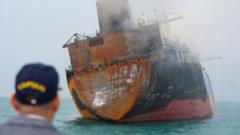
Iran steps up attacks on energy targets as tankers hit
#Iran #tanker attacks #energy targets #Middle East #maritime security #geopolitical tensions #oil infrastructure
📌 Key Takeaways
- Iran has intensified attacks on energy infrastructure, including tankers.
- Multiple tankers have been targeted in recent incidents.
- The escalation raises concerns over regional energy security and maritime safety.
- These actions may be linked to broader geopolitical tensions in the Middle East.
🏷️ Themes
Geopolitical Conflict, Energy Security
Entity Intersection Graph
No entity connections available yet for this article.
Deep Analysis
Why It Matters
This escalation matters because it directly threatens global energy security and maritime trade routes, potentially causing oil price volatility that affects consumers worldwide. It increases the risk of broader regional conflict in the Middle East, endangering international shipping crews and military personnel. The attacks undermine diplomatic efforts to stabilize the region and could trigger retaliatory measures from affected nations, further destabilizing an already tense geopolitical landscape.
Context & Background
- Iran has previously targeted commercial shipping in strategic waterways like the Strait of Hormuz, through which about 20% of global oil trade passes
- Tensions between Iran and Western powers have escalated since the US withdrawal from the 2015 nuclear deal and subsequent sanctions
- Iran has used asymmetric warfare tactics including drone and missile attacks against shipping targets as part of regional proxy conflicts
- Previous tanker attacks in 2019-2020 led to increased international naval presence in the Persian Gulf region
- Iran's Islamic Revolutionary Guard Corps maintains significant naval capabilities including fast attack craft and coastal defense missiles
What Happens Next
International naval forces will likely increase patrols and escort operations in affected waterways, with possible emergency meetings at the UN Security Council. Affected countries may impose additional sanctions on Iran while exploring diplomatic channels to de-escalate tensions. Shipping insurance premiums for vessels transiting the region will likely spike immediately, potentially rerouting some global trade. Military responses from targeted nations remain possible if attacks continue or casualties occur.
Frequently Asked Questions
Iran targets energy tankers to exert economic pressure on adversaries by disrupting global oil supplies and demonstrating its ability to control strategic waterways. These attacks serve as asymmetric retaliation against sanctions while projecting regional power without direct military confrontation.
Oil prices will likely spike due to supply disruption fears and increased risk premiums, though the impact depends on attack frequency and location. Major producing nations may increase output to compensate, but prolonged attacks could sustain higher prices affecting consumers and industries worldwide.
The Strait of Hormuz represents the highest risk as the world's most critical oil chokepoint, followed by the Persian Gulf and Gulf of Oman. The Bab el-Mandeb Strait near Yemen also remains vulnerable due to Houthi rebel activities linked to Iran.
Western nations will probably enhance naval patrols and consider additional sanctions, while regional allies like Saudi Arabia may strengthen air defenses. China and Russia may call for restraint while protecting their own shipping interests through diplomatic channels.
While full-scale war remains unlikely, the risk of miscalculation increases with each attack. Limited military responses like targeted strikes on Iranian assets are possible if attacks cause casualties or significant environmental damage from oil spills.