
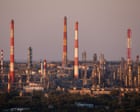
Russia earned €6bn from fossil fuel exports since start of US-Israel war on Iran, data reveals
#Russia #fossil fuels #exports #€6 billion #US-Israel war #Iran #energy markets #revenue
📌 Key Takeaways
- Russia earned €6 billion from fossil fuel exports since the US-Israel war on Iran began
- The revenue highlights Russia's economic resilience amid geopolitical conflicts
- Fossil fuel exports remain a critical income source for Russia despite international tensions
- The data underscores the financial impact of the war on global energy markets
📖 Full Retelling
🏷️ Themes
Geopolitics, Energy Economy
Entity Intersection Graph
No entity connections available yet for this article.
Deep Analysis
Why It Matters
This revelation highlights how geopolitical conflicts can create unintended economic windfalls for third-party nations, potentially undermining international sanctions regimes. Russia's fossil fuel revenue surge affects global energy markets by providing alternative supply sources while complicating Western efforts to isolate Moscow economically. The data exposes how conflict-driven market disruptions create new revenue streams that could fund Russia's military operations and influence global power dynamics.
Context & Background
- Russia has faced extensive Western sanctions since its 2022 invasion of Ukraine, targeting its energy exports and financial systems
- Global energy markets experienced significant volatility following Middle East conflicts, with oil prices fluctuating based on regional tensions
- Iran has faced its own sanctions regime for decades, particularly regarding its nuclear program and regional military activities
- Russia and Iran have strengthened economic and military cooperation in recent years as both face Western pressure
- Fossil fuel exports remain Russia's primary source of foreign currency earnings despite sanctions
What Happens Next
International policymakers will likely examine mechanisms to close sanctions loopholes that allow Russia to profit from conflict-driven market shifts. Energy analysts will monitor whether this revenue influences Russia's military capabilities or economic stability. Future conflict scenarios may prompt preemptive measures to prevent similar economic spillover effects benefiting sanctioned nations.
Frequently Asked Questions
Russia likely benefited from increased global energy prices and redirected exports to alternative markets as traditional suppliers faced disruption. The conflict created supply uncertainties that drove up prices for all fossil fuel exporters, including Russia.
This demonstrates how sanctions can be circumvented through secondary effects of unrelated conflicts. It may prompt Western nations to develop more comprehensive sanctions that account for global market dynamics beyond direct trade restrictions.
It creates an unintended consequence where their actions indirectly benefit a geopolitical rival. This economic boost to Russia could complicate diplomatic efforts by strengthening a nation that often opposes Western interests in multiple regions.
While €6bn provides meaningful support, Russia's annual fossil fuel exports typically measure in hundreds of billions. The greater significance lies in demonstrating Russia's resilience to sanctions and ability to capitalize on global disruptions.
While the article doesn't specify, Russia has expanded energy exports to China, India, Turkey and other nations not participating in Western sanctions. Conflict-driven market shifts likely increased demand from these existing alternative markets.