
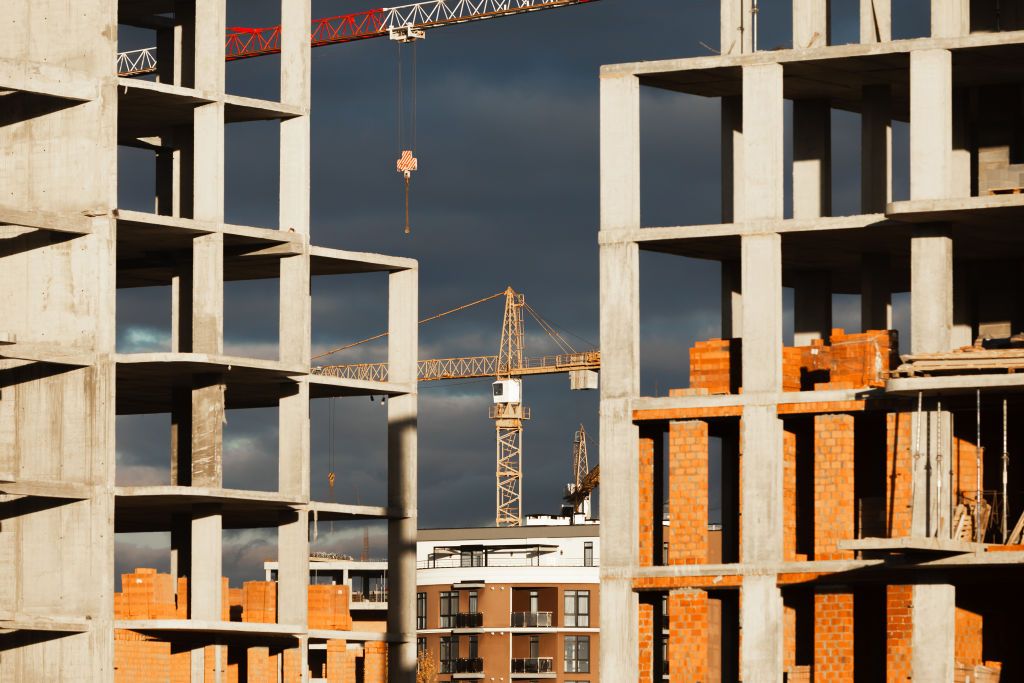
Kyiv real estate gets 35 million euro wartime boost
#Kyiv #real estate #investment #wartime #Ukraine #economic resilience #property development
📌 Key Takeaways
- Kyiv's real estate market receives a 35 million euro investment boost despite ongoing conflict.
- The investment signals confidence in Ukraine's capital's long-term economic resilience.
- Funds are likely aimed at rebuilding or developing properties amid wartime challenges.
- This move may attract further foreign or domestic capital into Kyiv's property sector.
📖 Full Retelling
🏷️ Themes
Real Estate, War Economy
📚 Related People & Topics

Kyiv
Capital of Ukraine
Kyiv, also Kiev, is the capital and most populous city of Ukraine. Located in the north-central part of the country, it straddles both banks of the Dnieper River. As of January 2022, the population of Kyiv was 2,952,301, making it the seventh-most populous city in Europe.

Ukraine
Country in Eastern Europe
# Ukraine **Ukraine** is a country located in Eastern Europe. It is the second-largest country in Europe by area, after Russia. Known for its extensive fertile plains, the nation serves as a critical global exporter of grain and is considered a middle power in international affairs. ## Geography a...
Entity Intersection Graph
Connections for Kyiv:
View full profileMentioned Entities
Deep Analysis
Why It Matters
This news matters because it reveals unexpected economic resilience in Ukraine's capital despite ongoing conflict, signaling investor confidence in Kyiv's long-term stability. It affects Ukrainian property owners who may see increased asset values, international investors seeking wartime opportunities, and displaced Ukrainians considering returning to safer urban areas. The investment also demonstrates how wartime economies can develop unique sectors, potentially influencing reconstruction planning and post-war economic strategies.
Context & Background
- Kyiv has experienced significant population displacement since Russia's full-scale invasion began in February 2022, with many residents fleeing to western Ukraine or abroad
- Ukrainian real estate markets collapsed initially after the invasion, with property values dropping 30-50% in early 2022 as uncertainty prevailed
- Previous wartime real estate patterns in conflict zones like Sarajevo during the Bosnian War showed property becoming a store of value when traditional investments were unstable
- The Ukrainian government has implemented martial law restrictions affecting property transactions, including limitations on foreign ownership in some cases
What Happens Next
Expect increased scrutiny of wartime property transactions for potential corruption or exploitation of distressed sellers. International development organizations may study this phenomenon for post-war reconstruction models. If the trend continues, Kyiv could see more specialized wartime real estate services emerge by late 2024, potentially influencing similar investments in other relatively secure Ukrainian cities like Lviv.
Frequently Asked Questions
Investors may see wartime discounts as opportunities for long-term gains, betting on post-war reconstruction and value recovery. Some purchases could serve practical purposes like housing displaced persons or establishing organizational bases with future conversion potential.
The investments probably come from Ukrainian businesspeople with available capital, diaspora members maintaining ties to their homeland, and international organizations needing operational bases. Some may be speculative buyers anticipating reconstruction profits.
For residents, this could mean rising housing costs that outpace wartime incomes, potentially making return more difficult for displaced people. However, it may also signal confidence in the city's security and future, encouraging more people to remain or return.
Yes, ethical concerns include potential exploitation of distressed sellers, contributing to housing inequality, and diverting capital from more immediate humanitarian needs. However, some argue investment maintains economic activity and prepares for reconstruction.
Property values would likely surge if peace is achieved, rewarding early investors. However, significant escalation threatening Kyiv could erase gains, and post-war government policies might impose special taxes or restrictions on wartime acquisitions.