
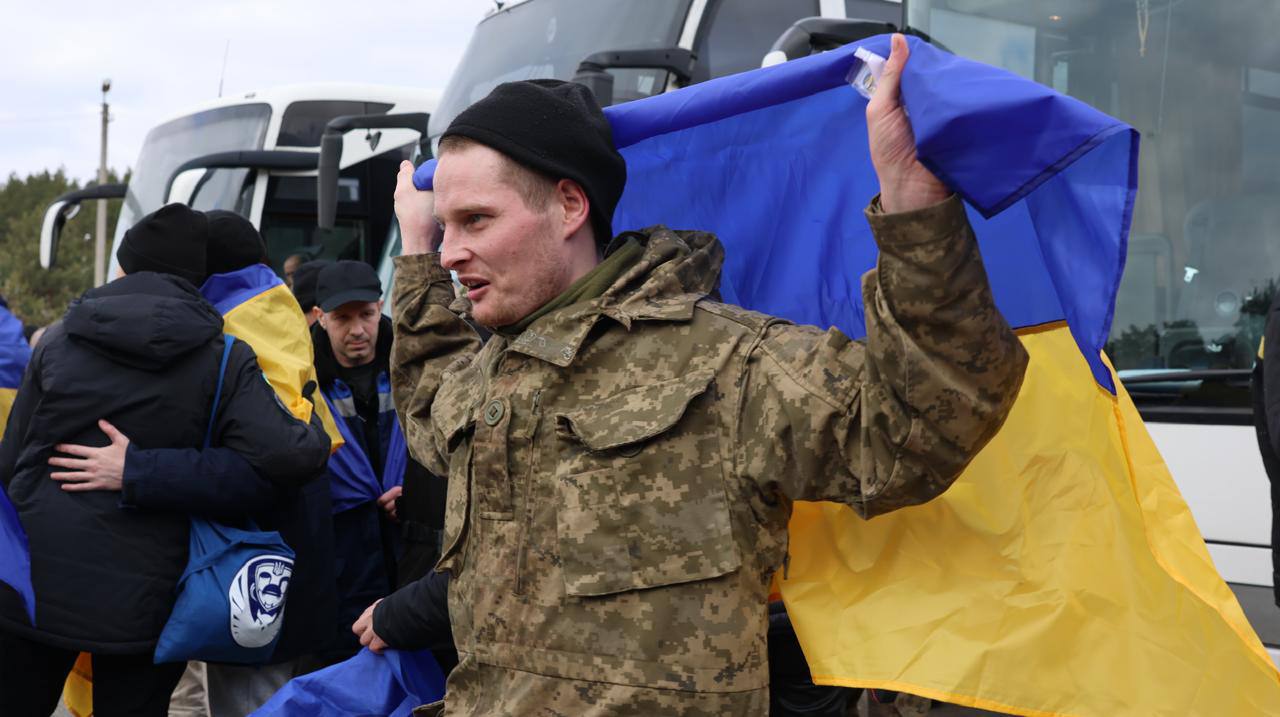
Ukraine war latest: Ukraine brings home 300 POWs, 2 civilians in 2nd stage of major prisoner swap
#Ukraine #prisoner swap #POWs #Russia #war #civilians #diplomacy
📌 Key Takeaways
- Ukraine repatriated 300 prisoners of war and 2 civilians in a major exchange.
- This marks the second stage of a significant prisoner swap between Ukraine and Russia.
- The exchange is part of ongoing diplomatic efforts amid the ongoing conflict.
- The return includes both military personnel and non-combatant civilians.
📖 Full Retelling
🏷️ Themes
Prisoner Exchange, Ukraine Conflict
📚 Related People & Topics

Russia
Country in Eastern Europe and North Asia
Russia, or the Russian Federation, is a country in Eastern Europe and North Asia. It is the largest country in the world, spanning eleven time zones and sharing land borders with fourteen countries. With a population of over 140 million, Russia is the most populous country in Europe and the ninth-mo...

Ukraine
Country in Eastern Europe
# Ukraine **Ukraine** is a country located in Eastern Europe. It is the second-largest country in Europe by area, after Russia. Known for its extensive fertile plains, the nation serves as a critical global exporter of grain and is considered a middle power in international affairs. ## Geography a...

Prisoner of war
Military term for a captive of the enemy
A prisoner of war (POW) is a person held captive by a belligerent power during or immediately after an armed conflict. The earliest recorded usage of the phrase "prisoner of war" dates back to 1610. Belligerents hold prisoners of war for a range of reasons.
Entity Intersection Graph
Connections for Russia:
View full profileMentioned Entities
Deep Analysis
Why It Matters
This prisoner exchange represents a significant humanitarian breakthrough in the ongoing conflict, directly affecting hundreds of families who will be reunited with their loved ones. It demonstrates that diplomatic channels remain operational between Ukraine and Russia despite the ongoing hostilities, potentially creating pathways for future negotiations. The return of prisoners also boosts Ukrainian morale and provides valuable intelligence about Russian captivity conditions and military operations. This development matters to international observers as it shows progress in confidence-building measures that could eventually support broader peace efforts.
Context & Background
- This is the second stage of a major prisoner swap that began earlier this month, indicating a structured negotiation process rather than a one-time event
- Previous prisoner exchanges have occurred throughout the conflict, with the largest single exchange returning 215 Ukrainian prisoners in September 2022
- The Geneva Conventions require warring parties to facilitate prisoner exchanges, though implementation has been inconsistent during this conflict
- Russia has conducted its own prisoner returns, though exact numbers and timing are often disputed between the two sides
- Prisoner exchanges have historically served as confidence-building measures in conflicts from World War I to recent Middle Eastern conflicts
What Happens Next
Ukrainian officials will likely debrief returning prisoners for intelligence about Russian military operations and captivity conditions. International organizations like the Red Cross may gain access to verify treatment standards. Further prisoner exchanges are probable in coming weeks as both sides continue negotiations. The success of this exchange could influence broader diplomatic efforts, potentially leading to discussions about civilian evacuations or localized ceasefires around humanitarian corridors.
Frequently Asked Questions
While not changing military positions, the swap improves humanitarian conditions and maintains communication channels between adversaries. It demonstrates that both sides can cooperate on specific issues despite ongoing combat, potentially creating templates for future negotiations about more substantive matters like ceasefires or territorial disputes.
Returning prisoners typically undergo medical examinations, psychological support, and intelligence debriefings. Many military personnel may eventually return to service if physically and mentally able, while civilians receive assistance reintegrating into communities disrupted by war.
Exchanges fulfill international humanitarian law obligations while providing operational benefits like intelligence gathering and morale boosting. They also create diplomatic openings that can lead to broader negotiations, serving as confidence-building measures between conflicting parties.
Selection typically follows negotiations about numbers, ranks, and health conditions, often mediated by third parties. Both sides usually prioritize seriously wounded prisoners and those detained longest, while balancing military value with humanitarian considerations.
Organizations like the International Committee of the Red Cross often verify prisoner identities, monitor transfer conditions, and ensure compliance with Geneva Convention standards. They provide neutral channels for communication and help build trust between conflicting parties.