
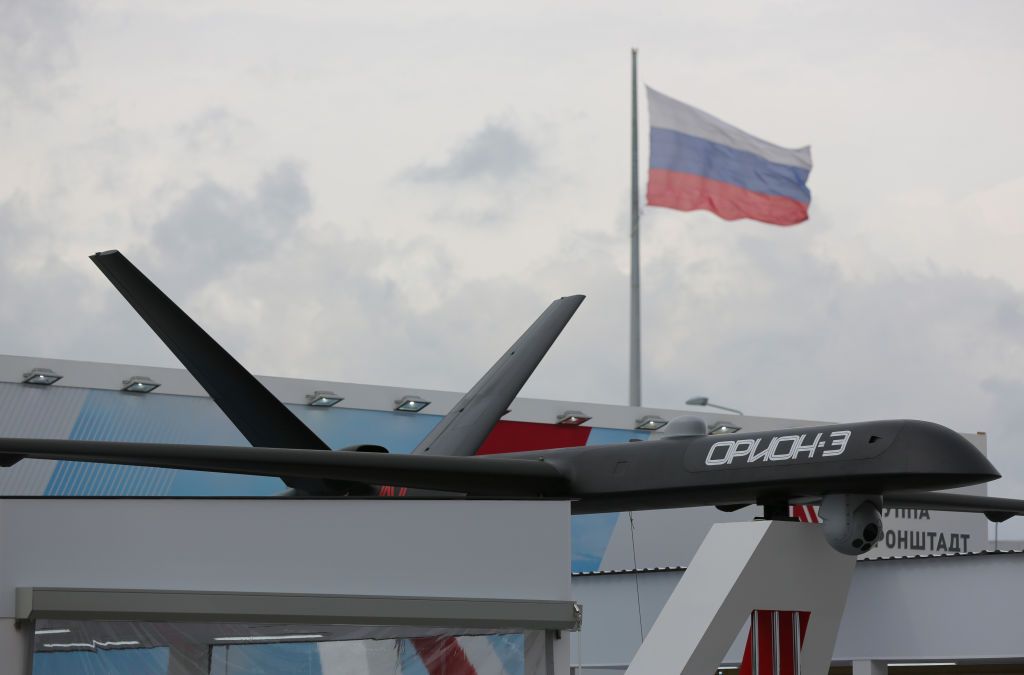
Ukraine strikes Russian fuel train, confirms damage to multimillion-dollar Orion drones in occupied regions
#Ukraine #Russia #fuel train #Orion drones #occupied regions #military damage #logistics
📌 Key Takeaways
- Ukraine conducted a strike on a Russian fuel train in occupied territory.
- The attack caused confirmed damage to multimillion-dollar Russian Orion drones.
- The operation targeted logistical and high-value military assets.
- The strike demonstrates Ukraine's capability to hit strategic targets behind enemy lines.
📖 Full Retelling
🏷️ Themes
Military Conflict, Strategic Strikes
📚 Related People & Topics

Russia
Country in Eastern Europe and North Asia
Russia, or the Russian Federation, is a country in Eastern Europe and North Asia. It is the largest country in the world, spanning eleven time zones and sharing land borders with fourteen countries. With a population of over 140 million, Russia is the most populous country in Europe and the ninth-mo...

Ukraine
Country in Eastern Europe
# Ukraine **Ukraine** is a country located in Eastern Europe. It is the second-largest country in Europe by area, after Russia. Known for its extensive fertile plains, the nation serves as a critical global exporter of grain and is considered a middle power in international affairs. ## Geography a...
Entity Intersection Graph
Connections for Russia:
Mentioned Entities
Deep Analysis
Why It Matters
This news matters because it demonstrates Ukraine's continued ability to strike high-value Russian military assets deep behind enemy lines, disrupting logistics and degrading Russia's reconnaissance capabilities. It affects Ukrainian military planners who must allocate limited resources effectively, Russian commanders who face supply chain vulnerabilities, and Western allies monitoring the effectiveness of Ukrainian strike capabilities. The destruction of expensive Orion drones represents a significant financial blow to Russia while boosting Ukrainian morale through tangible battlefield successes.
Context & Background
- Ukraine has increasingly targeted Russian logistics and supply lines since 2023, recognizing that disrupting fuel and ammunition deliveries can cripple frontline operations
- Orion drones are Russian medium-altitude reconnaissance/strike UAVs costing approximately $2-3 million each, used for surveillance and precision strikes behind Ukrainian lines
- Russia has occupied approximately 17% of Ukrainian territory since the 2022 invasion, creating extended supply lines vulnerable to Ukrainian attacks
- Ukraine has developed long-range strike capabilities using modified Soviet-era weapons, Western-supplied systems, and domestically produced drones
- Fuel trains have become priority targets as Russia relies heavily on railways for military logistics across occupied territories
What Happens Next
Russia will likely increase security around critical logistics infrastructure and disperse drone operations to less vulnerable locations. Ukraine will continue targeting high-value assets while possibly facing intensified Russian electronic warfare countermeasures. Western intelligence will analyze strike effectiveness to inform future military aid decisions, particularly regarding long-range capabilities. Expect increased Russian propaganda efforts to downplay losses while Ukrainian forces publicize more successful strikes in coming weeks.
Frequently Asked Questions
Fuel trains are critical because Russia depends heavily on railways to supply frontline troops across vast occupied territories. Disrupting fuel deliveries directly impacts Russia's ability to conduct armored operations and maintain air support, creating immediate battlefield advantages for Ukrainian forces.
Orion drones provide Russia with persistent surveillance and precision strike capabilities behind Ukrainian lines. Their loss represents both significant financial cost (millions per drone) and reduced intelligence gathering capacity, forcing Russia to rely on riskier alternatives like manned aircraft.
Ukraine employs a combination of modified Soviet-era missiles, Western-supplied long-range systems (like Storm Shadows), and domestically produced drones with extended ranges. These capabilities have evolved significantly since 2022, allowing strikes up to several hundred kilometers behind front lines.
While individual strikes won't decisively change the war, cumulative damage to logistics and high-value assets degrades Russian operational capabilities over time. Such successes demonstrate Ukrainian resilience while potentially influencing Western decisions about providing more advanced weapons systems.
Russia will likely enhance air defenses around critical infrastructure, increase electronic warfare to disrupt Ukrainian drones, and potentially retaliate with strikes on Ukrainian logistics hubs. They may also accelerate development of more secure supply routes and drone deployment methods.