
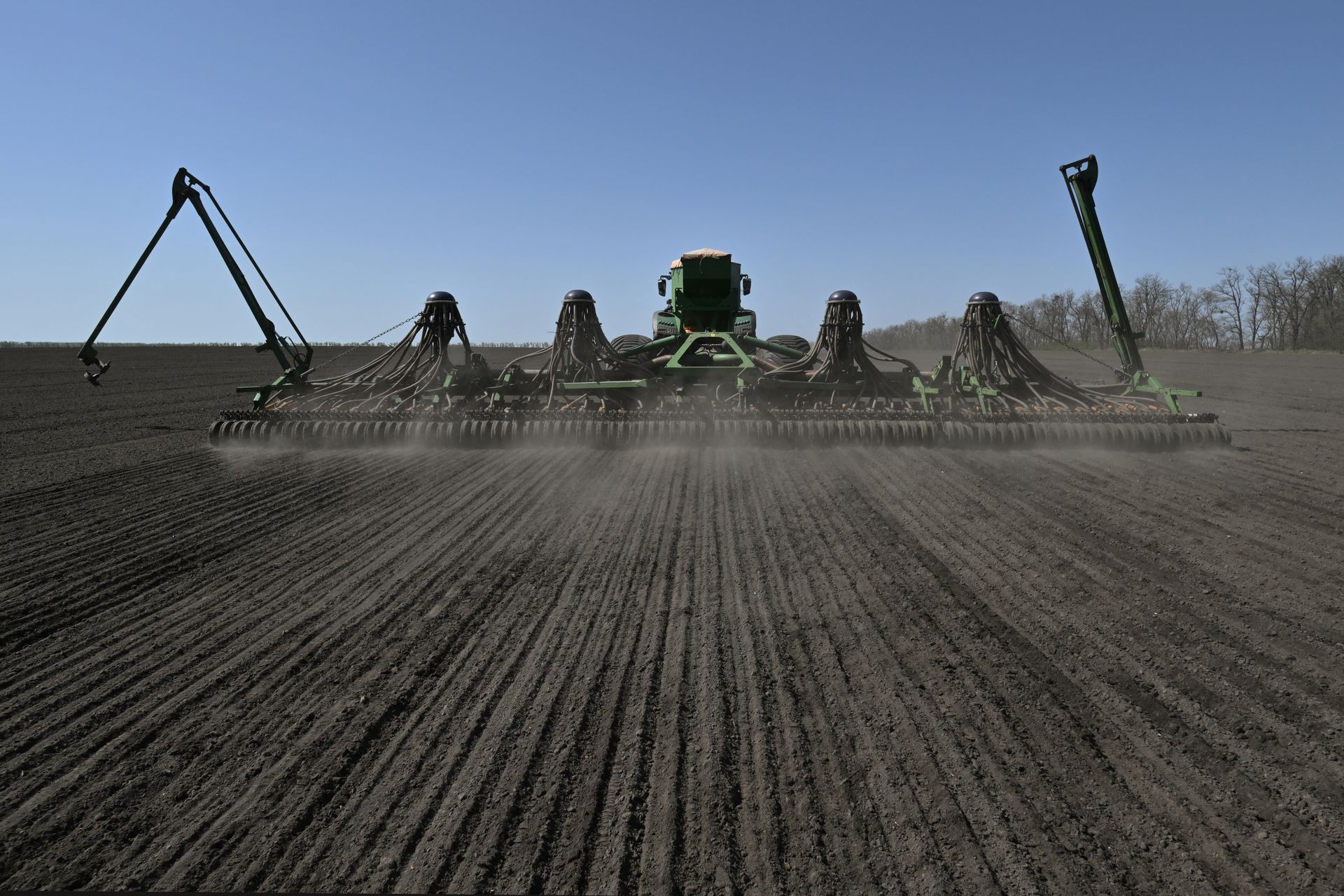
Winter freeze delays spring sowing in Ukraine by a month
#Ukraine #spring sowing #winter freeze #agricultural delay #crop yields
📌 Key Takeaways
- Ukraine's spring sowing season is delayed by a month due to a winter freeze.
- The delay is attributed to prolonged cold temperatures affecting agricultural schedules.
- This setback could impact crop yields and agricultural output for the season.
- Farmers are adjusting plans to mitigate potential losses from the delayed start.
📖 Full Retelling
🏷️ Themes
Agriculture, Weather Impact
📚 Related People & Topics

Ukraine
Country in Eastern Europe
# Ukraine **Ukraine** is a country located in Eastern Europe. It is the second-largest country in Europe by area, after Russia. Known for its extensive fertile plains, the nation serves as a critical global exporter of grain and is considered a middle power in international affairs. ## Geography a...
Entity Intersection Graph
Connections for Ukraine:
Mentioned Entities
Deep Analysis
Why It Matters
This delay in Ukraine's spring sowing season threatens global food security as Ukraine is a major exporter of wheat, corn, and sunflower oil. The agricultural disruption could lead to reduced harvest yields, potentially driving up global food prices and affecting import-dependent nations. Ukrainian farmers face economic hardship from lost income and increased operational costs, while the country's war-torn economy loses crucial export revenue. This situation also impacts global supply chains still recovering from previous disruptions.
Context & Background
- Ukraine is often called the 'breadbasket of Europe' and accounts for approximately 10% of global wheat exports
- The 2022 Russian invasion severely disrupted Ukraine's agricultural sector, with mined fields, destroyed infrastructure, and blocked Black Sea ports
- Ukraine's agricultural exports are crucial for food security in regions like North Africa, the Middle East, and parts of Asia
- Spring crops in Ukraine typically include corn, sunflowers, soybeans, and barley, with planting normally beginning in March-April
- Previous climate-related disruptions to Ukrainian agriculture have contributed to global food price spikes in recent years
What Happens Next
Ukrainian farmers will attempt accelerated planting once conditions improve, potentially compressing the sowing window. Agricultural analysts will monitor crop progress through May-June to assess potential yield reductions. International organizations like the FAO may issue revised global harvest forecasts by late spring. The delayed harvest (likely pushed to late summer/early fall) could coincide with other Northern Hemisphere harvests, affecting global market timing. Ukraine may seek additional international support for agricultural recovery efforts.
Frequently Asked Questions
Spring-planted crops like corn, sunflowers, soybeans, and barley are most immediately impacted. These crops have specific growing windows and temperature requirements, making delayed planting particularly problematic for optimal yields.
Reduced Ukrainian production typically increases global prices for wheat, corn, and vegetable oils. Import-dependent countries in Africa and Asia may face higher food costs, potentially exacerbating food insecurity in vulnerable regions.
Partial recovery is possible with favorable weather and efficient planting, but yields will likely be reduced. The compressed planting window increases risks from subsequent weather events and may require altered crop management practices.
The freeze compounds existing war-related challenges including mined fields, damaged equipment, and export difficulties. This represents a 'double crisis' of climate disruption layered atop military destruction for Ukrainian agriculture.
Ukraine may require additional seed supplies, fuel for extended planting operations, and financial support for farmers. International technical assistance for adapting to compressed planting schedules could also be valuable.