

Khamenei had reservations about son, says US intelligence: Report
#Khamenei #Mojtaba Khamenei #succession #Iran leadership #US intelligence #political transition #Ayatollah
📌 Key Takeaways
- US intelligence reports Ayatollah Khamenei expressed reservations about his son Mojtaba's succession
- The report highlights internal uncertainty over Iran's future leadership
- Mojtaba Khamenei is a powerful cleric often mentioned as a potential successor
- The intelligence suggests potential instability in Iran's political transition plans
📖 Full Retelling
🏷️ Themes
Iran leadership, US intelligence
📚 Related People & Topics
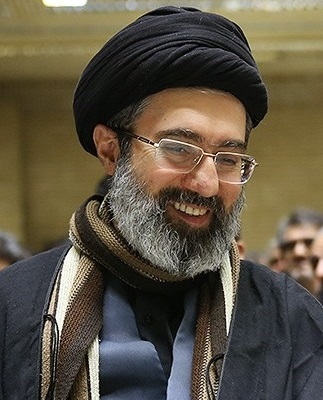
Mojtaba Khamenei
Iranian politician and cleric (born 1969)
Mojtaba Hosseini Khamenei (born 8 September 1969) is an Iranian politician and Muslim cleric. The second eldest child of Ali Khamenei, the former supreme leader of Iran, Mojtaba Khamenei served in the Iran–Iraq War from 1987 to 1988, and also reportedly took control of the Basij that was used to sup...

Ayatollah
High-ranking title given to Usuli Twelver Shī'a Muslim clerics
Ayatollah (Arabic: آية الله, romanized: ʾāyatu llāh, lit. 'sign of god') is a title for high-ranking Twelver Shia clergy. It came into widespread usage in the 20th century. Those who hold this title must be men and specialists in Islamic sciences such as jurisprudence (fiqh) and principles (usul), o...
Khamenei
%5B%5BWikipedia%3ARedirects+for+discussion%5D%5D+debate+closed+as+delete

United States Intelligence Community
Collective term for US federal intelligence and security agencies
The United States Intelligence Community (IC) is a group of U.S. federal government intelligence agencies and subordinate organizations that work to conduct intelligence activities which support the foreign policy and national security interests of the United States. Member organizations of the IC ...
Entity Intersection Graph
Connections for Mojtaba Khamenei:
Mentioned Entities
Deep Analysis
Why It Matters
This report matters because it reveals internal tensions within Iran's leadership succession planning, which could destabilize the region. It affects Iran's political stability, regional allies like Hezbollah and Hamas, and international relations with countries monitoring Iran's nuclear program. The uncertainty could influence oil markets and Middle East geopolitics, impacting global security and economic interests.
Context & Background
- Ayatollah Ali Khamenei has been Iran's Supreme Leader since 1989, holding ultimate authority over state matters.
- Succession in Iran's theocratic system is opaque, with the Assembly of Experts responsible for choosing the next Supreme Leader.
- Mojtaba Khamenei, the son in question, is a mid-ranking cleric with influence in security and religious circles but no official government role.
- Previous US intelligence reports have highlighted factional divides between hardliners and moderates within Iran's leadership.
What Happens Next
Increased scrutiny of Mojtaba Khamenei's public appearances and political maneuvers. Potential behind-the-scenes lobbying by rival factions within Iran's power structure. Possible US or allied diplomatic efforts to exploit perceived divisions. The Assembly of Experts may face pressure to clarify succession protocols, though no immediate changes are expected.
Frequently Asked Questions
Mojtaba Khamenei is the second son of Supreme Leader Ali Khamenei, a cleric influential in Iran's security apparatus and religious networks. He is considered a potential successor but holds no official government position, making his rise dependent on backroom political support.
US intelligence on Iran's internal dynamics has historically been limited due to the regime's secrecy, but it often draws from signals intelligence and informant networks. Such reports should be viewed as indicative of trends rather than definitive facts, given the challenges of penetrating Iran's leadership circles.
Internal succession doubts could make Iran's foreign policy more unpredictable as factions jockey for influence. Hardliners might advocate aggressive posturing to demonstrate strength, while pragmatists could seek stability to avoid external threats during a sensitive transition period.
Regional proxies may become anxious about continuity of support and ideological direction. They could intensify operations to prove their value to competing factions, or alternatively, seek backup alliances with other Iranian power centers like the Islamic Revolutionary Guard Corps.