
#Energy Policy
Energy policy shapes how nations produce and use energy, focusing on sustainability, security, and affordability. Recent trends emphasize renewable energy transitions and climate goals.
Articles (30)
-
 🇺🇸 Trump says empty oil tankers heading to U.S. to load up with oil, gas
[USA]
Related: #Political Campaign, #Economic Narrative
🇺🇸 Trump says empty oil tankers heading to U.S. to load up with oil, gas
[USA]
Related: #Political Campaign, #Economic Narrative
-
 🇺🇸 The Northeast Hoped to Lead on Climate. Now It’s Rethinking.
[USA]
🇺🇸 The Northeast Hoped to Lead on Climate. Now It’s Rethinking.
[USA]
Many blue states are rethinking ambitious strategies to cut emissions as they struggle with rising electricity costs and new hurdles for renewable energy.
Related: #Economic Challenges, #Climate Change -
 🇺🇸 EPA Administrator talks energy affordability amidst energy costs skyrocketing
[USA]
🇺🇸 EPA Administrator talks energy affordability amidst energy costs skyrocketing
[USA]
While the the EPA celebrated their proposed extension of the the flaring window for natural gas wells to 72 hours, which Zeldin estimates will save the industry $2.5 billion over the next 15 years, an...
Related: #Economic Inflation, #Regulatory Environment -
 🇺🇸 Energy prices supercharge inflation figures
[USA]
🇺🇸 Energy prices supercharge inflation figures
[USA]
{beacon} Energy & Environment Energy & Environment The Big Story Energy prices supercharge inflation figures Consumer prices in the U.S. rose by 3.3 percent over the past year and by 0.9 percent in...
Related: #Inflation, #Economic Policy -
 🇺🇸 Why Investing in Wind and Solar to Avoid Gas Shocks Hasn’t Added Up for Some
[USA]
🇺🇸 Why Investing in Wind and Solar to Avoid Gas Shocks Hasn’t Added Up for Some
[USA]
Renewable energy is cheaper to run than fossil fuels, especially with war choking oil supply. But it hasn’t turned out that way for some European countries, and the reason is complex.
Related: #Market Economics, #Renewable Transition -
 🇺🇸 EPA proposes flexibilities for toxic coal waste
[USA]
🇺🇸 EPA proposes flexibilities for toxic coal waste
[USA]
{beacon} Energy & Environment Energy & Environment The Big Story EPA proposes flexibilities for toxic coal waste The Trump administration is proposing to make regulations on the disposal of coal p...
Related: #Environmental Regulation, #Public Health -
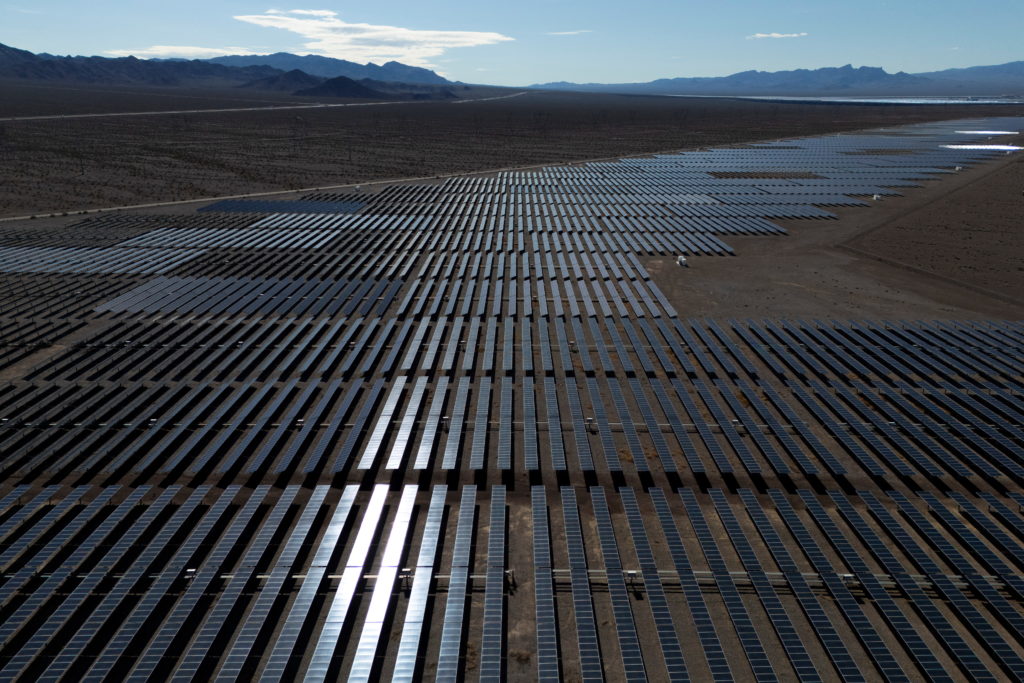 🇺🇸 States are struggling to meet their clean energy goals. Blame data centers
[USA]
🇺🇸 States are struggling to meet their clean energy goals. Blame data centers
[USA]
Nevada's largest utility says it will need three times the electricity required to power Las Vegas just to handle proposed data centers — and it probably can't do that without fossil fuels.
Related: #Technology Infrastructure, #Climate Change -
 🇺🇸 Coal's fortunes shift as Trump uses orders and taxpayer money to keep plants operating
[USA]
🇺🇸 Coal's fortunes shift as Trump uses orders and taxpayer money to keep plants operating
[USA]
Before Donald Trump returned to the White House, the Biden administration and many electric utilities were building a future dominated by renewable energy. They aimed to replace coal, slashing greenho...
Related: #Climate Change, #Political Shift -
 🇺🇸 Renewable energy advocates make gains in fight over future of big Arizona power utility
[USA]
🇺🇸 Renewable energy advocates make gains in fight over future of big Arizona power utility
[USA]
Renewable energy advocates in Arizona made gains against a business-backed slate in a fight over how the nation's largest public power utility will meet fast-rising electricity demand in a data center...
Related: #Corporate Governance, #Technology Infrastructure -
 🇺🇸 Trump promised to cut electric costs in half. Bills in energy-rich West Virginia now top mortgages
[USA]
🇺🇸 Trump promised to cut electric costs in half. Bills in energy-rich West Virginia now top mortgages
[USA]
Every month, Rebecca Michalski takes a deep breath before opening her electric bill. She lives on a fixed income, and heating her small house this winter has been staggering: Her February charge was $...
Related: #Economic Inequality, #Political Promises -
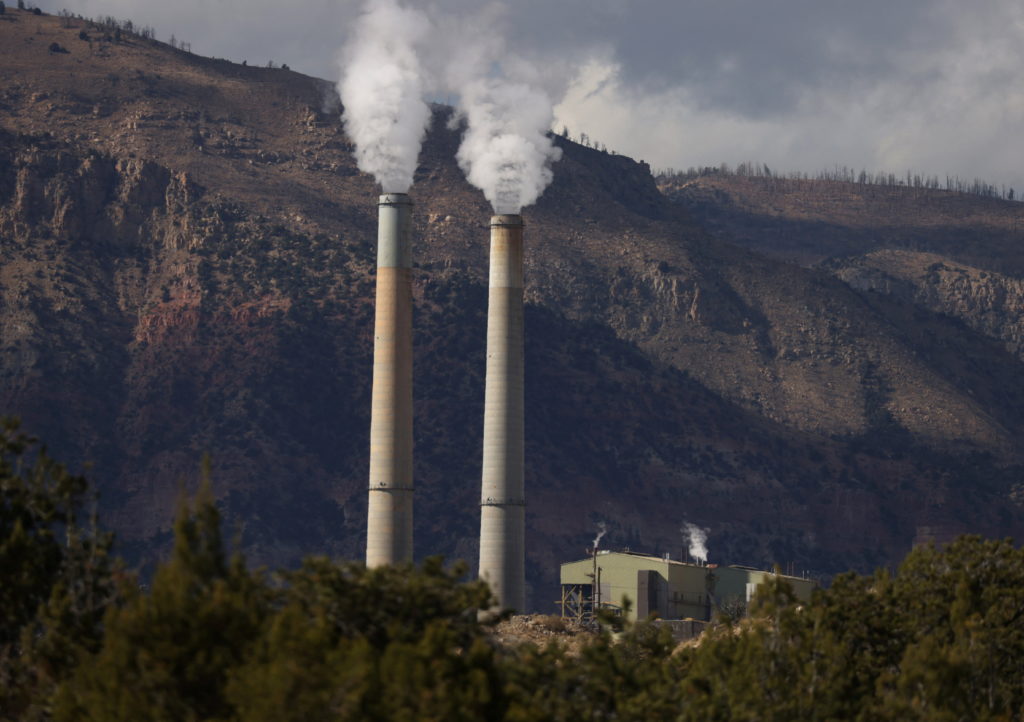 🇺🇸 As Trump throws lifeline to coal plants, critics warn of higher costs and health risks
[USA]
🇺🇸 As Trump throws lifeline to coal plants, critics warn of higher costs and health risks
[USA]
The United States is undergoing a dramatic shift in energy policy as President Donald Trump wields government's sweeping powers to benefit coal and suppress cleaner alternatives. It could lead to more...
Related: #Environmental Regulation, #Economic Impact -
🇺🇸 Maine set to become first state with data center ban
[USA]
More than a dozen other states are considering similar bans as fears around centers and high energy prices grow.
Related: #Technology Regulation, #Economic Development -
 🇺🇸 Clean Energy Team Wins Salt River Project Election in Arizona
[USA]
🇺🇸 Clean Energy Team Wins Salt River Project Election in Arizona
[USA]
Proponents of renewable power will control the Phoenix area utility’s policymaking for the first time after they won an unusually contentious race that drew attention from national groups.
Related: #Elections, #Climate Change -
 🇺🇸 Sheinbaum announces fracking plan as Mexico seeks to curb US gas reliance
[USA]
🇺🇸 Sheinbaum announces fracking plan as Mexico seeks to curb US gas reliance
[USA]
Global energy shock prompts rethink of environmental concerns by world’s largest buyer of US natural gas
Related: #Economic Security, #Environmental Debate -
 🇬🇧 The Papers: Trump tells UK 'go get your own oil' and 'King sent to US'
[United Kingdom]
🇬🇧 The Papers: Trump tells UK 'go get your own oil' and 'King sent to US'
[United Kingdom]
US President Donald Trump's latest comments about European allies as the war in Iran rages on dominate Wednesday's papers.
Related: #Diplomacy, #International Relations, #Middle East Conflict -
🇺🇸 Senators are pushing to find out how much electricity data centers actually use
[USA]
On Thursday, senators Elizabeth Warren (D-MA) and Josh Hawley (R-MO) sent a letter to the Energy Information Administration (EIA) asking it to collect "comprehensive, annual energy-use disclosures" on...
Related: #Technology Regulation -
🇺🇸 Trump's attacks on offshore wind could hurt infrastructure spending across the economy
[USA]
President Trump has tried to kill offshore wind's future in the U.S. But industry analysts say the attacks could hurt business confidence across the U.S. economy.
Related: #Economic Impact -
🇺🇸 Trump takes aim at windmills despite increasing energy costs
[USA]
President Trump's mission to fight renewable wind energy comes at a time of rising energy costs.
Related: #Renewable Energy -
🇺🇸 Trump administration to pay French company $1B to drop U.S. offshore wind leases
[USA]
TotalEnergies has agreed to what's essentially a refund of its leases for projects off the coasts of North Carolina and New York, and will invest the money in fossil fuel projects instead, the De...
Related: #Government Spending -
 🇺🇸 Trump Administration to Pay $1 Billion to Energy Giant to Cancel Wind Farms
[USA]
🇺🇸 Trump Administration to Pay $1 Billion to Energy Giant to Cancel Wind Farms
[USA]
In exchange, the French company TotalEnergies would invest in oil and natural gas projects in Texas and elsewhere.
Related: #Government Spending -
🇺🇸 Trump administration plans to bring more diesel to market as fuel prices surge, Wright says
[USA]
Diesel prices have surged about 40% to $5.29 per gallon, the highest level since 2022, as the U.S. war against Iran has disrupted oil supplies.
Related: #Fuel Prices -
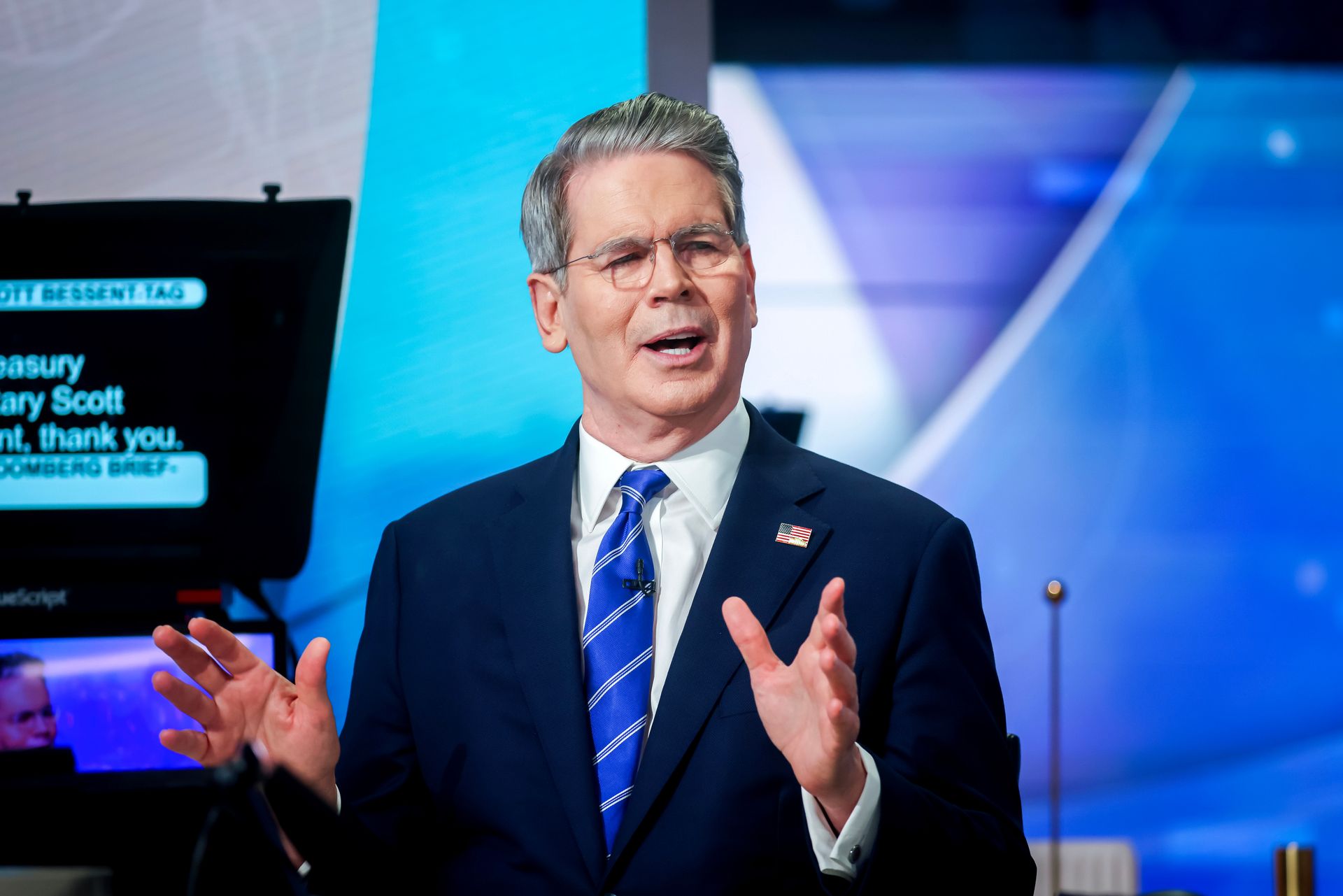 🇺🇦 US Treasury chief defends Russian oil sanctions relief, says price cap limits Kremlin gains
[Ukraine]
🇺🇦 US Treasury chief defends Russian oil sanctions relief, says price cap limits Kremlin gains
[Ukraine]
"Does Russia get more money if oil goes to $150 and they get 70% of that — that’s $105 — or if oil stays below $100, so they’re getting less money?" U.S. Treasury Secretary Scott Bessent said on March...
Related: #Sanctions -
 🇺🇸 Trump’s energy policy benefits Iran and Russia, not America
[USA]
🇺🇸 Trump’s energy policy benefits Iran and Russia, not America
[USA]
President Trump's war with Iran has caused global energy prices to rise, benefiting Iran and Russia while harming global security and the environment, and Democrats should campaign on reducing fossil ...
Related: #Geopolitics -
 🇺🇸 Starmer adviser calls for temporary energy windfall tax to curb ‘profiteering’
[USA]
🇺🇸 Starmer adviser calls for temporary energy windfall tax to curb ‘profiteering’
[USA]
Supermarket executive chair proposes profit cap to limit earnings during exceptional market conditions
Related: #Taxation -
 🇬🇧 Starmer adviser urges ministers to look at profits cap for energy and petrol firms
[United Kingdom]
🇬🇧 Starmer adviser urges ministers to look at profits cap for energy and petrol firms
[United Kingdom]
<p>PM’s ‘cost of living champion’ calls for consideration of temporary measure to prevent profiteering from Iran war</p><p>The government’s top cost of living adviser has called on ministers to explor...
Related: #Corporate Regulation -
 🇺🇸 Ex-energy chief calls gas price surge ‘short-term pain’ for ‘long-term gain’
[USA]
🇺🇸 Ex-energy chief calls gas price surge ‘short-term pain’ for ‘long-term gain’
[USA]
President Trump’s former Energy Secretary Dan Brouillette on Friday defended the White House’s ongoing military operation in Iran, even as global crude oil rates spike. Brouillette, in an appearance o...
Related: #Economic Impact -
 🇺🇸 U.S. eases Iranian oil sanctions in scramble to contain energy prices, handing Tehran a potential boost
[USA]
🇺🇸 U.S. eases Iranian oil sanctions in scramble to contain energy prices, handing Tehran a potential boost
[USA]
In a twist of wartime irony, the United States has moved to ease sanctions on Iranian oil to cool surging energy prices, a potential boon for Tehran.
Related: #Geopolitics -
 🇬🇧 US lifts sanctions on Iranian oil at sea in bid to ease supply pressures
[United Kingdom]
🇬🇧 US lifts sanctions on Iranian oil at sea in bid to ease supply pressures
[United Kingdom]
<p>Treasury secretary Scott Bessent says move will bring 140m barrels to market but insists Tehran will not benefit</p><ul><li><p><a href="https://www.theguardian.com/world/live/2026/mar/21/middle-eas...
Related: #International Sanctions -
 🇺🇸 EU member states urged to lower gas storage targets due to Iran war
[USA]
🇺🇸 EU member states urged to lower gas storage targets due to Iran war
[USA]
European Commission proposes steps to try to reduce demand for energy from households and industry
Related: #Geopolitical Conflict -
 🇺🇸 U.S. Pauses Sanctions on Some Iranian Oil to Get More to Market
[USA]
🇺🇸 U.S. Pauses Sanctions on Some Iranian Oil to Get More to Market
[USA]
Treasury Secretary Scott Bessent estimated that the move would add about 140 million barrels of crude to the oil market.
Related: #International Relations
Key Entities (29)
- Donald Trump (6 news)
- Presidency of Donald Trump (2 news)
- Salt River Project (2 news)
- SRP (2 news)
- Arizona (2 news)
- United States Environmental Protection Agency (2 news)
- Keir Starmer (2 news)
- United States government sanctions (1 news)
- Presidency of Joe Biden (1 news)
- Claudia Sheinbaum (1 news)
- List of wars involving Iran (1 news)
- United States Department of the Treasury (1 news)
- Kremlin (1 news)
- Petroleum industry in Russia (1 news)
- Federal Reserve (1 news)
- Consumer price index (1 news)
- Bureau of Labor Statistics (1 news)
- West Virginia (1 news)
- NV Energy (1 news)
- Nevada (1 news)
- Phoenix (1 news)
- Janet Mills (1 news)
- Maine Legislature (1 news)
- Labour (1 news)
- EIA (1 news)
- Josh Hawley (1 news)
- Elizabeth Warren (1 news)
- Mike Regan (1 news)
- T-Mobile US (1 news)
About the topic: Energy Policy
Energy policy is evolving rapidly to address climate change and geopolitical shifts. Without specific recent news, analysis focuses on global trends: countries are accelerating clean energy adoption to meet net-zero targets, influenced by events like COP28 and policies such as the US Inflation Reduction Act. Chart: Renewable Energy Share in Global Electricity Generation (2010-2023) using special characters █▓▒░: 2010 ███░░░░░░░ 20%, 2020 ██████▓░░░ 40%, 2023 ████████▒░ 50% (IEA estimates). Quote: 'The pace of change in energy policy is unprecedented, with renewables becoming the cornerstone of new strategies,' said Fatih Birol, IEA Executive Director. Interesting fact: Solar and wind now provide over 10% of global electricity, doubling since 2015. Important URLs: https://www.iea.org/reports/world-energy-outlook-2023, https://www.un.org/en/climatechange/cop28, https://www.energy.gov/policy, https://www.irena.org/Data, https://www.worldbank.org/en/topic/energy