Who / What
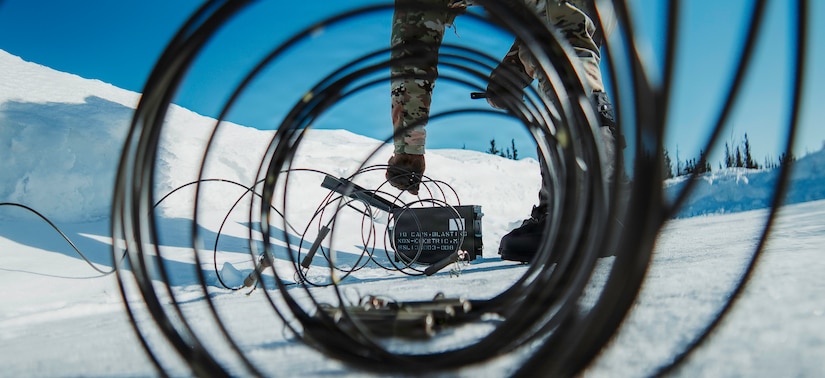
The Arctic is the polar region of Earth that surrounds the North Pole and lies north of the Arctic Circle.
It encompasses land and sea areas that experience seasonally varying snow and ice cover, with predominantly treeless permafrost at the tundra.
Background & History
The name “Arctic” comes from the Ancient Greek word *ἄρκτος* (árktos), meaning “bear,” referring to the constellation Ursa Major.
The region is defined as the area north of the Arctic Circle, extending across parts of several countries and the Arctic Ocean.
Its geography has been mapped and studied for centuries, with early explorers and scientists documenting its icy landscapes and unique ecosystems.
Why Notable
The Arctic plays a crucial role in global climate regulation, hosting extensive ice sheets that influence weather patterns worldwide.
Its unique ecosystems support distinctive flora and fauna adapted to extreme cold and seasonal light variations.
The region’s resources—such as minerals, oil, and gas—have heightened economic interest, while its fragile environment makes it a key indicator of climate change impacts.
In the News
Recent attention to the Arctic centers on rapid ice melt and its implications for sea‑level rise, shipping routes, and geopolitical competition.
Increased environmental monitoring and international cooperation efforts have aimed to protect the region’s biodiversity and communities.
The Arctic remains a focal point for discussions on climate policy and sustainable resource management.