Who / What
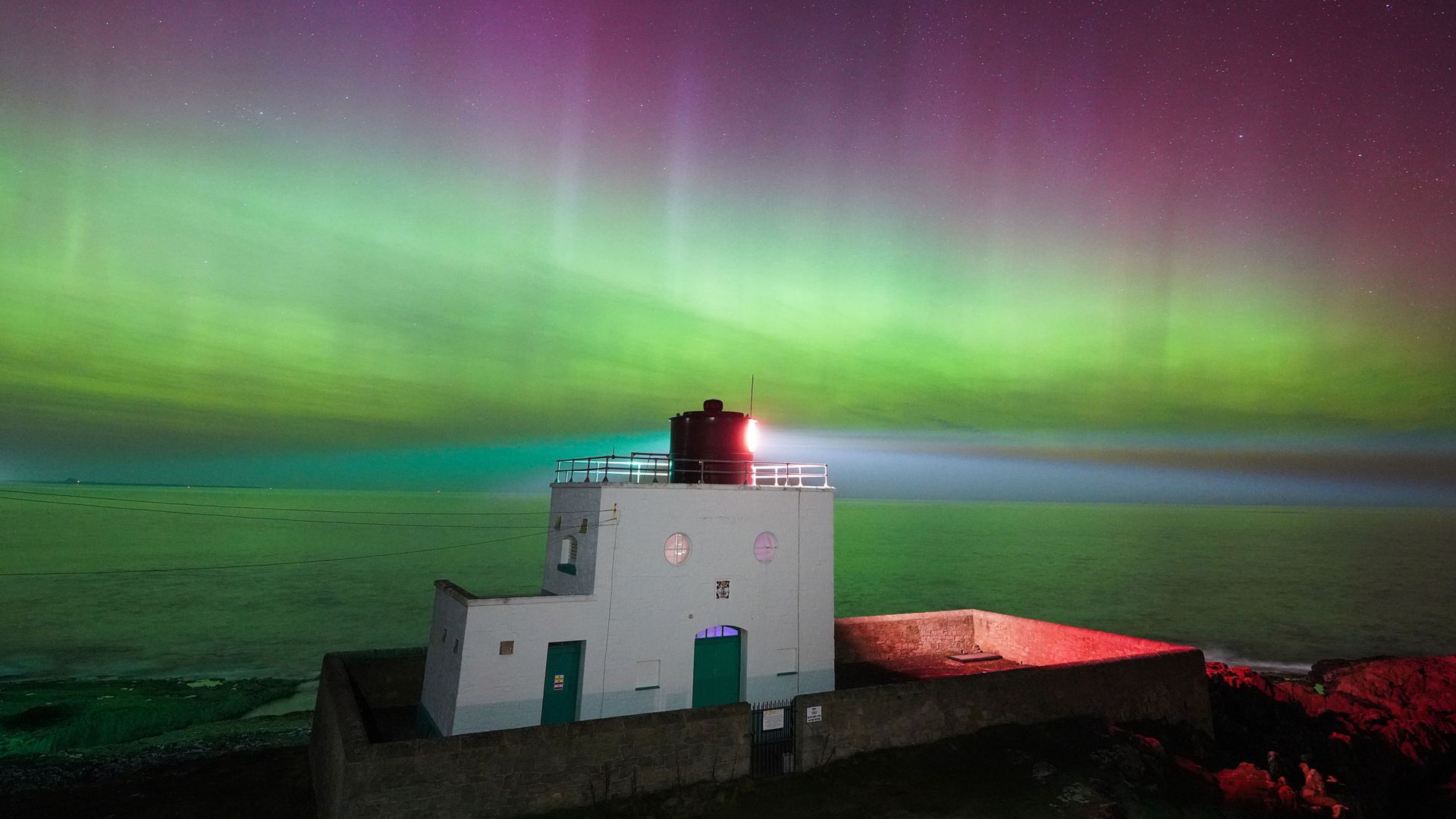
An aurora is a natural light display in Earth's sky, predominantly observed in high-latitude regions. This atmospheric phenomenon is caused by the interaction of the solar wind with Earth's magnetosphere.
Background & History
Auroras have been observed and recorded for centuries, with early descriptions found in historical accounts from various cultures. The scientific understanding of auroras advanced significantly with the discovery of their connection to solar activity and Earth's magnetic field. The terms "aurora borealis" and "aurora australis" were coined to describe the northern and southern hemisphere manifestations respectively.
Why Notable
Auroras are notable as one of the most spectacular natural phenomena visible from Earth, attracting scientific study and tourism. They play a crucial role in understanding space weather and its effects on Earth's atmosphere and technological systems. Their study contributes to broader astrophysical knowledge about solar-terrestrial interactions.
In the News
Recent increased solar activity has led to more frequent and intense auroral displays observable at lower latitudes than usual. Space weather forecasting has improved, allowing better prediction of auroral events for both scientific research and public viewing opportunities.