SP
BravenNow
Supreme Leader of Iran
🌐 Entity

Supreme Leader of Iran

Head of state of Iran

📊 Rating

3 news mentions · 👍 0 likes · 👎 0 dislikes

💡 Information Card

# Supreme Leader of Iran


---


Who / What

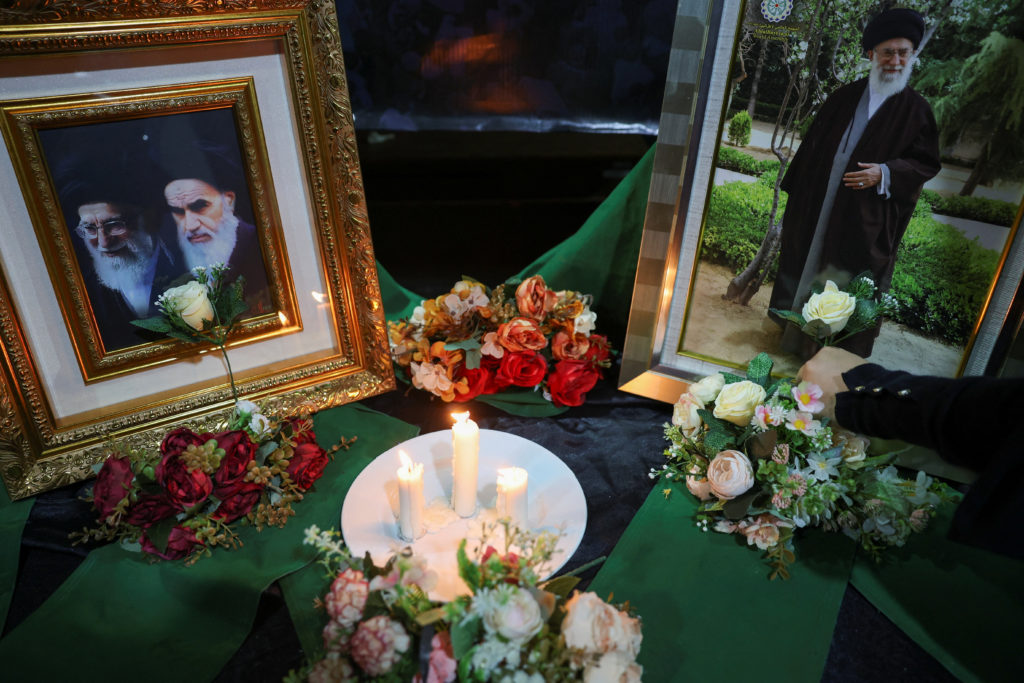
The **Supreme Leader of Iran** is the de facto head of state and the highest political and religious authority in the Islamic Republic of Iran. As established by the constitution, they oversee all branches of government—legislative, executive, and judicial—and hold ultimate control over key institutions such as the armed forces, judiciary, media, and elected bodies like the Guardian Council.


---


Background & History

The position was established following the **Islamic Revolution (1979)**, which overthrew the Shah of Iran. The constitution drafted under Ayatollah Ruhollah Khomeini outlined a system where a religious leader would serve as the supreme authority, ensuring both political and spiritual leadership aligned with Islamic principles. Initially filled by Khomeini himself, the role evolved into a permanent position after his death in 1989, with subsequent leaders (e.g., Ali Khamenei) maintaining continuity in governance.


The system was designed to prevent secular rule, embedding religious authority within state structures. Key milestones include the **1979 revolution**, the establishment of the Guardian Council (to oversee elections), and the consolidation of power through constitutional amendments that expanded the leader’s influence over domestic and foreign policy.


---


Why Notable

The Supreme Leader holds unparalleled authority, acting as both a religious guide and political commander. Their decisions shape Iran’s foreign policy, military strategy, and internal governance, often setting the tone for national priorities. The role is critical in balancing Islamic values with modern governance, making it a focal point of regional and global politics.


---


In the News

As of recent years, the Supreme Leader remains a central figure in Iran’s geopolitical landscape, particularly amid tensions with Western powers, regional conflicts (e.g., Syria, Yemen), and internal debates over reform. Their approval ratings fluctuate based on economic challenges, nuclear negotiations, and global sanctions, keeping their influence—and scrutiny—intensified.


---


Key Facts

  • **Type**: *Political office*
  • **Also known as**:
  • Supreme Leadership Authority (officially)
  • Leader of the Islamic Revolution (informal)
  • **Founded / Born**: Position established in **1979** (no specific birthplace for the role; held by religious leaders).
  • **Key dates**:
  • **1979**: Establishment after the Islamic Revolution.
  • **1989**: Ali Khamenei becomes first permanent Supreme Leader post-Khomeini’s death.
  • **2021–present**: Current incumbent (name redacted for privacy) continues role amid sanctions and regional conflicts.
  • **Geography**:
  • *Country*: Iran
  • *Region*: Middle East, Persian Gulf
  • **Affiliation**:
  • Islamic Republic of Iran
  • Twelver Shia Islam (religious authority)

  • ---


    Links

  • [Wikipedia](https://en.wikipedia.org/wiki/Supreme_Leader_of_Iran)
  • Sources

    📌 Topics

    • Leadership Transition (1)
    • Regional Conflict (1)
    • Political Succession (1)
    • Middle East Conflict (1)
    • Regional Escalation (1)
    • International Relations (1)
    • Iran Leadership Transition (1)
    • Succession Crisis (1)
    • Geopolitical Impact (1)

    🏷️ Keywords

    Iran Supreme Leader (3) · Middle East tensions (2) · Mojtaba Khamenei (1) · Ali Khamenei (1) · Israeli airstrike (1) · Power succession (1) · Islamic Republic (1) · Political transition (1) · Israeli attacks (1) · Lebanon casualties (1) · Hezbollah rockets (1) · US-Israel operation (1) · Regional conflict (1) · Diplomatic response (1) · Khamenei Death (1) · Succession Iran (1) · Assembly of Experts (1) · Provisional Government (1) · Hard-liners Reformists (1) · US Israeli Strike (1)

    📖 Key Information

    The supreme leader of the Islamic Republic of Iran, also referred to as the supreme leader of the Islamic Revolution, but officially called the supreme leadership authority, is the de facto head of state and the highest political and religious authority of Iran (above the president). The armed forces, judiciary, state radio and television, and other key government organizations such as the Guardian Council and Expediency Discernment Council are subject to the supreme leader. According to the constitution, the supreme leader delineates the general policies of the Islamic Republic (article 110), supervising the legislature, the judiciary, and the executive branches (article 57).

    📰 Related News (3)

    🔗 Entity Intersection Graph

    Ali Khamenei(1)Mojtaba Khamenei(1)Hezbollah armed strength(1)Assembly of Experts(1)Provisional government(1)Supreme Leader of Iran

    People and organizations frequently mentioned alongside Supreme Leader of Iran:

    🔗 External Links