
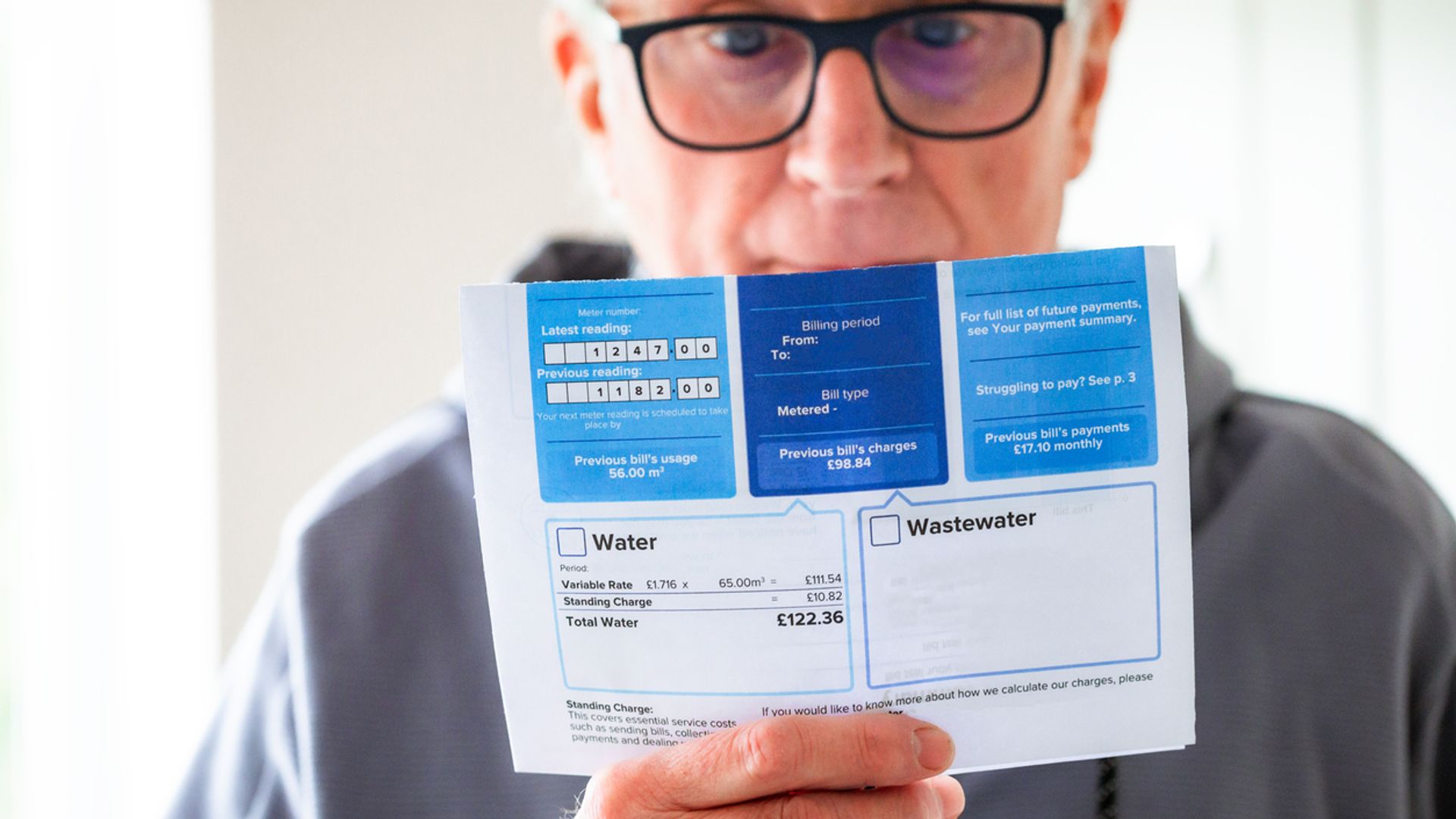
The water companies using bailiffs to collect customer debt more than 6,000 times a year
#water companies #bailiffs #customer debt #debt collection #cost of living #financial hardship #payment plans #England and Wales
📌 Key Takeaways
- Water companies in England and Wales used bailiffs over 6,000 times annually to collect customer debts.
- This practice highlights concerns over aggressive debt collection amid rising water bills and cost-of-living pressures.
- The data reveals disparities in bailiff usage among different water companies, with some relying on them more heavily.
- Critics argue that such enforcement actions can exacerbate financial hardship for vulnerable households.
- Calls are growing for water companies to adopt more supportive measures, like payment plans, to assist struggling customers.
📖 Full Retelling
🏷️ Themes
Debt Collection, Consumer Rights
Entity Intersection Graph
No entity connections available yet for this article.
Deep Analysis
Why It Matters
This news matters because it reveals aggressive debt collection practices by essential utility providers, directly impacting vulnerable households who may be struggling with cost-of-living pressures. It raises serious questions about corporate responsibility when water companies, which operate as regional monopolies, resort to bailiff action against customers for unpaid bills. The practice affects thousands of families annually, potentially leading to additional financial stress, damaged credit ratings, and emotional distress for those already facing economic hardship.
Context & Background
- Water companies in the UK operate as regional monopolies regulated by Ofwat, meaning customers cannot switch providers if dissatisfied with service or billing practices.
- The UK has experienced significant increases in water bills over the past decade, with average household water bills rising approximately 40% above inflation since privatization in 1989.
- Bailiff action for debt collection has been increasingly controversial, with charities and consumer groups criticizing the practice as disproportionate for essential utilities.
- Water poverty affects approximately 3 million households in England and Wales, with many struggling to pay essential water bills alongside other rising living costs.
- Previous investigations have revealed that water companies have been paying dividends to shareholders while customers face bill increases and aggressive debt collection.
What Happens Next
Consumer advocacy groups will likely increase pressure on water regulators and government to implement stricter rules on debt collection practices. Ofwat may launch investigations into specific companies' approaches to vulnerable customers. Parliamentary committees could examine whether current regulations adequately protect consumers from aggressive debt recovery for essential services. Some water companies may face public relations challenges and could announce voluntary restrictions on bailiff use ahead of potential regulatory action.
Frequently Asked Questions
Customers have rights including receiving proper notice before bailiff action, the ability to negotiate payment plans directly with the water company, and protections against forced entry for water debt. Vulnerable customers, including those with disabilities, serious illnesses, or financial difficulties, should be offered additional support and alternative arrangements before bailiff action proceeds.
No, water companies in England and Wales cannot disconnect household water supplies for non-payment of bills, unlike energy companies which can disconnect certain services. This legal protection makes water an essential service that cannot be withdrawn, which makes the use of bailiffs particularly controversial as an alternative enforcement method.
Alternatives include payment plans tailored to customers' financial circumstances, water bill support schemes for low-income households, debt write-off programs for vulnerable customers, and referral to free debt advice services. Many consumer groups argue these approaches are more appropriate than bailiff action for essential utility debt.
Water companies' use of bailiffs appears more frequent than some other utilities, partly because they cannot disconnect services as an enforcement option. Energy companies more commonly use prepayment meters and disconnection threats, while telecom providers typically use credit reference agencies and court proceedings rather than immediate bailiff action for residential debt.
Ofwat regulates water companies and has guidelines requiring fair treatment of customers in debt, particularly vulnerable households. The Water Services Regulation Authority can investigate complaints and impose penalties for unfair practices, while the Consumer Council for Water provides independent advocacy for customers facing billing and debt issues.