

Daryl Hannah slams Ryan Murphy’s Love Story as ‘tragedy-exploiting’ and ‘textbook misogyny’
#Daryl Hannah #Ryan Murphy #Love Story #misogyny #tragedy exploitation
📌 Key Takeaways
- Daryl Hannah criticizes Ryan Murphy's 'Love Story' for exploiting tragedy.
- She labels the show as an example of 'textbook misogyny'.
- Hannah's comments highlight concerns over gender representation in media.
- The critique reflects broader debates on ethics in storytelling.
📖 Full Retelling
🏷️ Themes
Media Criticism, Gender Issues
📚 Related People & Topics
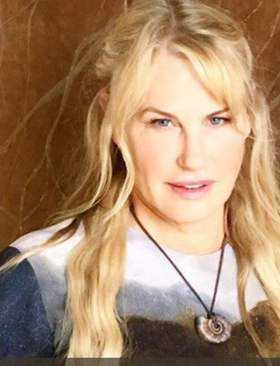
Daryl Hannah
American actress and director (born 1960)
Daryl Hannah (born December 3, 1960) is an American actress, director, and environmental activist. She has acted in comedic and dramatic roles in more than a hundred film and television productions since the 1970s. Hannah has appeared in a number of successful films action and thriller films.
Entity Intersection Graph
Connections for Ryan Murphy:
Mentioned Entities
Deep Analysis
Why It Matters
This news matters because it highlights ongoing tensions in Hollywood regarding ethical storytelling and gender representation. Daryl Hannah's criticism of Ryan Murphy, a powerful producer with multiple successful franchises, brings attention to how female stories are portrayed in mainstream media. The accusation of 'tragedy-exploiting' raises questions about the entertainment industry's responsibility when depicting real-life suffering. This affects actors, writers, producers, and audiences who care about ethical representation and feminist perspectives in film and television.
Context & Background
- Ryan Murphy is a prolific television creator known for shows like 'American Horror Story,' 'Glee,' and 'Pose' that often blend fact with fiction
- Daryl Hannah is an actress and environmental activist known for roles in 'Blade Runner,' 'Splash,' and 'Kill Bill' who has previously spoken out about industry issues
- Hollywood has faced increased scrutiny in recent years regarding gender representation, with movements like #MeToo and Time's Up highlighting systemic issues
- Murphy's productions frequently dramatize real-life events and figures, which has drawn both praise and criticism for their approach to biographical storytelling
- The specific project 'Love Story' referenced here appears to be one of Murphy's productions, though details about its content aren't specified in the article
What Happens Next
We can expect increased media attention on Ryan Murphy's 'Love Story' project and potential responses from Murphy or his representatives. Other actors or industry figures may weigh in on Hannah's criticism, potentially leading to broader discussions about ethical storytelling. The controversy could affect viewership and critical reception of the project when it's released. Production companies and networks may review their guidelines for depicting real-life tragedies in response to such criticisms.
Frequently Asked Questions
Ryan Murphy is an award-winning television producer, director, and writer known for creating popular series like 'American Horror Story' and 'Glee.' His significance here stems from his influential position in Hollywood and his frequent use of real-life events and figures in his storytelling, which Hannah is criticizing.
The term 'textbook misogyny' suggests Hannah believes Murphy's work follows classic patterns of prejudice against women. This could refer to how female characters are written, how women's stories are framed, or how female trauma is depicted in his productions.
Yes, Murphy has faced both praise and criticism for his portrayals of real people and events. Some have accused his shows of sensationalism or historical inaccuracy, while others applaud his bringing marginalized stories to mainstream audiences.
For Hannah, speaking out against a powerful producer could potentially affect future casting opportunities in Murphy's network. For Murphy, the criticism could influence public perception of his work and potentially lead to more scrutiny of his storytelling methods.
Public criticism between industry figures has become more common in recent years, particularly as social media provides direct platforms for expression. However, actors openly criticizing powerful producers still carries professional risks in an industry built on relationships.