
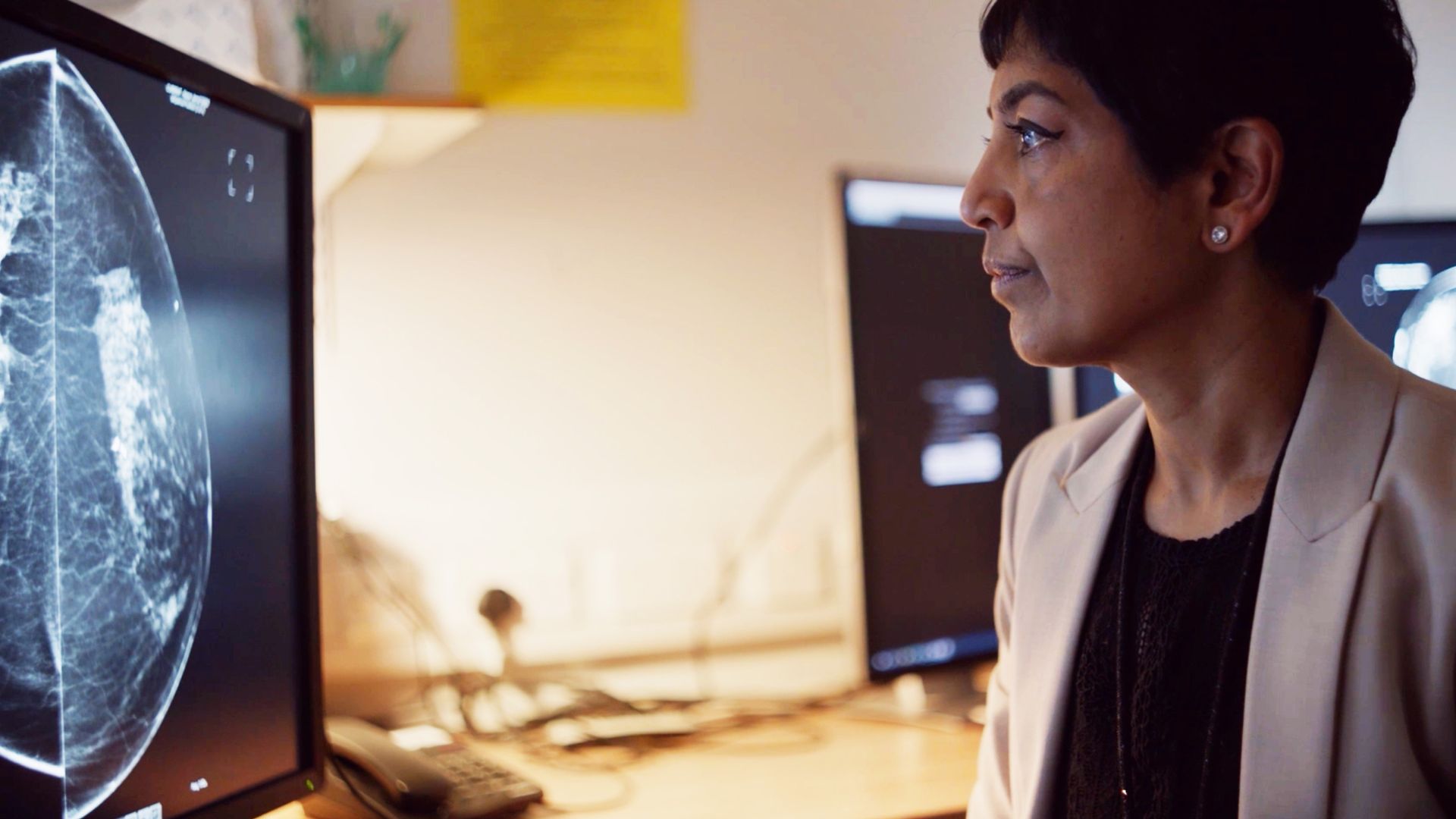
Why NHS needs time to bring in lightning speed cancer checks
#NHS #cancer checks #diagnostic delays #healthcare system #early detection #waiting times #resource allocation
📌 Key Takeaways
- The NHS is implementing faster cancer diagnostic checks but requires time for full rollout.
- Current delays are attributed to logistical and resource challenges within the healthcare system.
- The initiative aims to reduce waiting times and improve early detection rates for cancer patients.
- Stakeholders emphasize the need for phased implementation to ensure quality and sustainability.
📖 Full Retelling
🏷️ Themes
Healthcare Reform, Cancer Diagnostics
📚 Related People & Topics

National Health Service
Publicly-funded healthcare systems in the United Kingdom
The National Health Service (NHS) is the collective term for the four separate publicly funded healthcare systems of the United Kingdom: the National Health Service (England), NHS Scotland, NHS Wales, and Health and Social Care (Northern Ireland) which was created separately and is often referred to...
Entity Intersection Graph
Connections for National Health Service:
Mentioned Entities
Deep Analysis
Why It Matters
This news matters because timely cancer diagnosis significantly impacts survival rates and treatment outcomes for patients across the UK. The NHS's ability to implement rapid cancer checks affects millions who rely on public healthcare, particularly vulnerable populations with limited access to private alternatives. Delays in implementing these faster diagnostic pathways could mean the difference between treatable and advanced cancer stages for thousands annually. This issue also highlights systemic challenges in healthcare infrastructure and resource allocation that have broader implications for public health policy and funding priorities.
Context & Background
- The NHS has faced longstanding challenges with cancer waiting times, with targets frequently missed over the past decade
- Cancer survival rates in the UK have historically lagged behind other comparable European countries, partly due to diagnostic delays
- The COVID-19 pandemic created a significant backlog in cancer diagnostics and treatments, exacerbating existing system pressures
- Previous government initiatives like the 2019 NHS Long Term Plan included specific cancer diagnosis improvement targets
- Technological advancements in diagnostic tools have created new possibilities but also implementation challenges for large healthcare systems
What Happens Next
The NHS will likely face increased scrutiny on meeting interim targets while working toward the 28-day faster diagnosis standard. Parliamentary health committees will probably review progress quarterly, with potential additional funding announcements in the next fiscal budget. Healthcare unions may negotiate staffing and training requirements to support expanded diagnostic capacity. Patient advocacy groups will monitor implementation and potentially launch awareness campaigns about new diagnostic pathways as they become available regionally.
Frequently Asked Questions
The NHS aims to diagnose or rule out cancer within 28 days of referral, though previous targets included 62-day treatment starts. Current performance varies by region and cancer type, with many trusts struggling to consistently meet these standards due to resource constraints and system pressures.
Implementation requires significant infrastructure investment, specialized staff training, equipment procurement, and system integration across hundreds of facilities. Rapid scaling could compromise quality or create unsustainable service models without proper planning and resource allocation.
Cancers with rapid progression like pancreatic, lung, and certain aggressive lymphomas stand to benefit most from reduced diagnostic delays. Earlier detection typically improves treatment options and survival outcomes across most cancer types, particularly those with subtle early symptoms.
Initially, focusing resources on cancer diagnostics may temporarily impact other specialty waiting times, but successful implementation should ultimately reduce urgent care burdens by catching cancers earlier. Strategic resource allocation and potential additional funding will determine net impact on overall waiting lists.
Advanced imaging, AI-assisted diagnostics, genomic testing, and digital referral systems enable quicker assessments but require substantial investment and staff training. Technology integration must balance speed with accuracy and accessibility across diverse healthcare settings.