
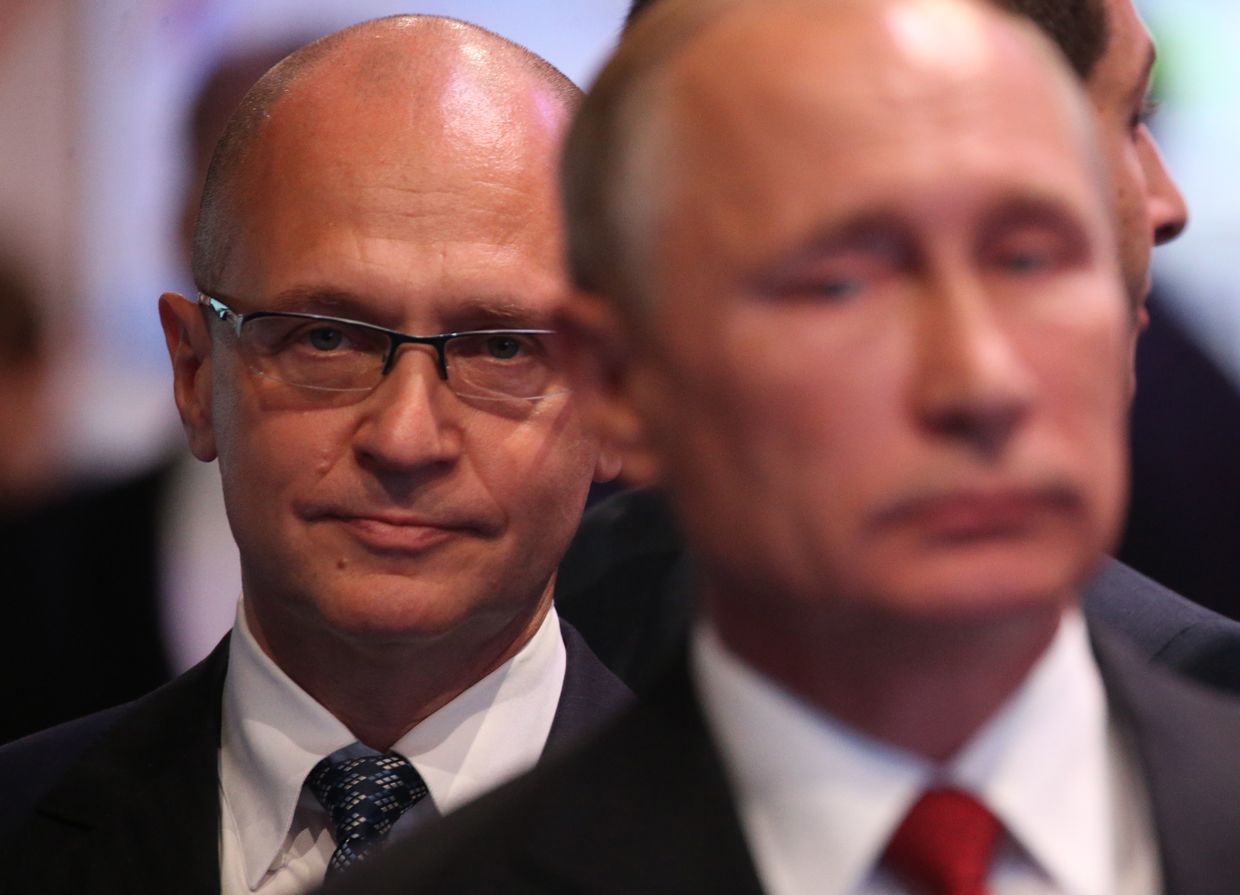
Russia sending election operatives to Hungary to prop up Orban, media reports
#Russia #Hungary #Viktor Orban #election operatives #political support #media reports #foreign influence
📌 Key Takeaways
- Russia is reportedly deploying election operatives to Hungary to support Prime Minister Viktor Orban.
- The move is seen as an effort to bolster Orban's political standing ahead of elections.
- This aligns with Russia's broader strategy of influencing European politics through covert means.
- The report highlights concerns about foreign interference in Hungary's democratic processes.
📖 Full Retelling
🏷️ Themes
Foreign Interference, Election Influence
📚 Related People & Topics

Russia
Country in Eastern Europe and North Asia
Russia, or the Russian Federation, is a country in Eastern Europe and North Asia. It is the largest country in the world, spanning eleven time zones and sharing land borders with fourteen countries. With a population of over 140 million, Russia is the most populous country in Europe and the ninth-mo...

Viktor Orbán
Prime Minister of Hungary (1998–2002; since 2010)
Viktor Mihály Orbán (Hungarian: [ˈviktor ˈorbaːn] ; born 31 May 1963) is a Hungarian lawyer and politician who has been the 56th prime minister of Hungary since 2010, previously holding the office from 1998 to 2002. He has also led the Fidesz political party since 2003, and previously from 1993 to 2...

Hungary
Country in Central Europe
Hungary is a landlocked country in Central Europe. Spanning much of the Carpathian Basin, it is bordered by Slovakia to the north, Ukraine to the northeast, Romania to the east and southeast, Serbia to the south, Croatia and Slovenia to the southwest, and Austria to the west. Hungary lies within the...
Entity Intersection Graph
Connections for Russia:
Mentioned Entities
Deep Analysis
Why It Matters
This news matters because it suggests direct Russian interference in Hungarian democracy, potentially undermining the integrity of European Union elections. It affects Hungarian voters by potentially distorting their electoral process, impacts EU unity by supporting a leader who frequently blocks consensus, and raises security concerns about foreign influence operations within NATO territory. The revelation could strain Hungary's relationships with both Western allies and Russia depending on verification and response.
Context & Background
- Hungarian Prime Minister Viktor Orban has maintained close ties with Russia since 2010, including energy deals and diplomatic alignment
- Orban's Fidesz party has governed Hungary since 2010, implementing policies that have drawn EU criticism over rule-of-law concerns
- Russia has been accused of election interference in multiple Western democracies since at least 2016, including the US and various European countries
- Hungary has repeatedly blocked or delayed EU decisions regarding Russia, including sanctions packages related to the Ukraine conflict
What Happens Next
EU institutions will likely demand investigations and increased election monitoring in Hungary. NATO may discuss security implications at upcoming meetings. Hungarian opposition parties will use this to challenge Orban's legitimacy. If verified, the US and other allies could impose additional sanctions on Russian operatives. The story may prompt similar revelations about Russian activities in other EU countries with Russia-friendly governments.
Frequently Asked Questions
Orban provides Russia with a sympathetic voice within the EU and NATO, frequently blocking or diluting measures against Russian interests. His government has maintained economic ties with Russia despite sanctions, and his nationalist rhetoric aligns with Russian geopolitical objectives to weaken Western unity.
The reliability depends on the specific media outlet and their sources. Western intelligence agencies have previously documented Russian election interference operations, but Hungary's government will likely dismiss these reports as politically motivated. Independent verification would require access to intelligence that may not be publicly available.
The EU can increase election monitoring in Hungary, potentially trigger rule-of-law procedures that could freeze EU funds, and strengthen overall election security measures across member states. However, EU action requires consensus among members, which Hungary could block depending on the specific mechanism.
While unlikely to result in expulsion, this could lead to increased scrutiny of Hungarian officials' access to sensitive NATO information. Other members may limit intelligence sharing with Hungary and push for reforms to counter foreign influence. Hungary's position within NATO decision-making could become more isolated.
If Orban denies the reports, relations may continue unchanged. If evidence becomes undeniable, Orban might need to distance himself temporarily from Russia to maintain domestic and international credibility. However, given Hungary's energy dependence on Russia and Orban's ideological alignment, any distancing would likely be superficial and temporary.