
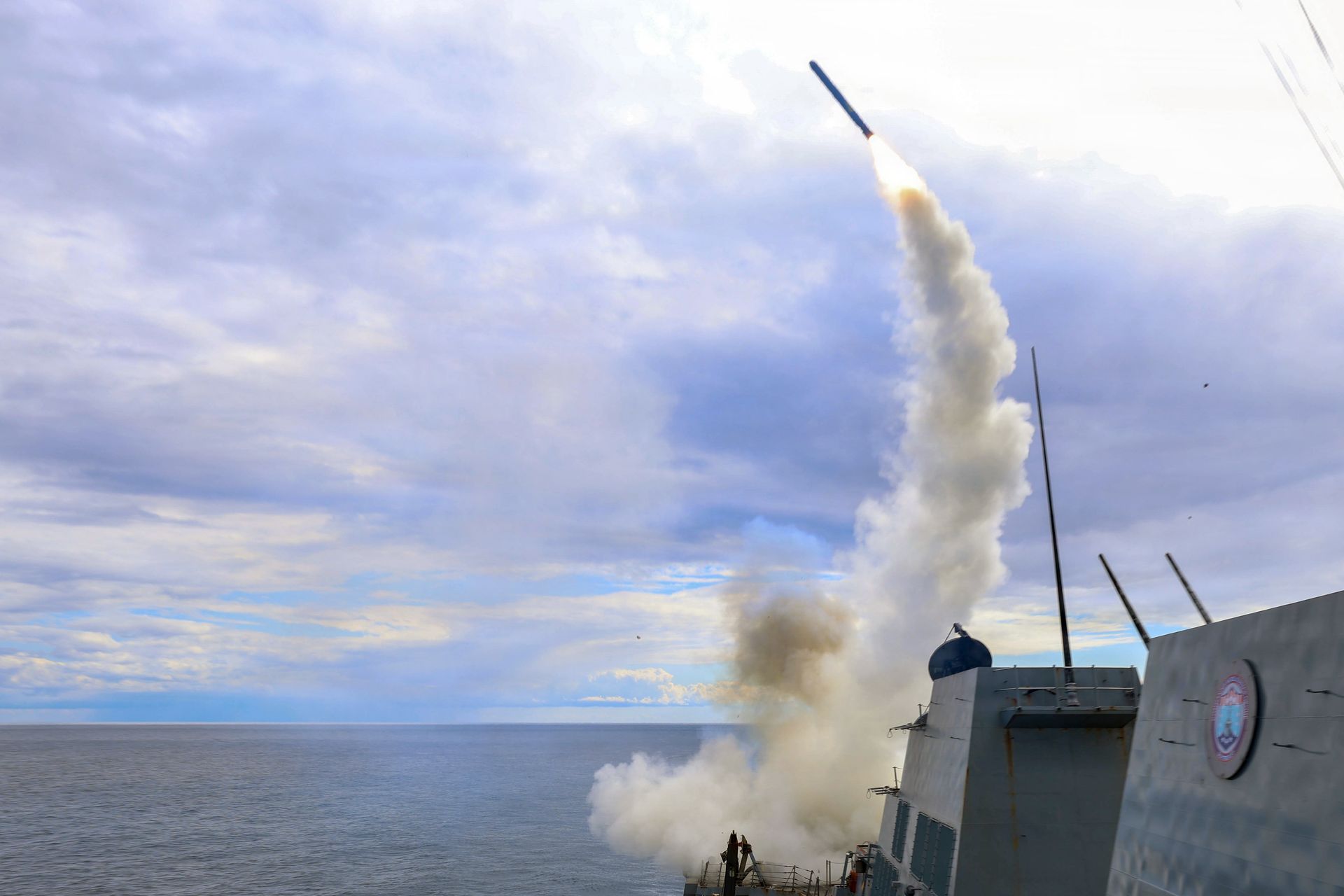
Russia reportedly provides Iran intelligence used to target US forces in Middle East
#Russia #Iran #US forces #intelligence sharing #Middle East #targeting #military cooperation
📌 Key Takeaways
- Russia allegedly supplied Iran with intelligence on US troop movements in the Middle East.
- The intelligence was reportedly used by Iran to target US forces in the region.
- This collaboration suggests deepening military ties between Russia and Iran.
- The incident raises concerns about escalating tensions and threats to US personnel.
🏷️ Themes
Geopolitical Tensions, Military Intelligence
📚 Related People & Topics

Russia
Country in Eastern Europe and North Asia
Russia, or the Russian Federation, is a country in Eastern Europe and North Asia. It is the largest country in the world, spanning eleven time zones and sharing land borders with fourteen countries. With a population of over 140 million, Russia is the most populous country in Europe and the ninth-mo...
United States Armed Forces
Combined military forces of the United States
The United States Armed Forces are the military forces of the United States. U.S. federal law names six armed forces: the Army, Marine Corps, Navy, Air Force, Space Force, and Coast Guard, each assigned their role and domain. From their inception during the American Revolutionary War, the Army and...

Iran
Country in West Asia
# Iran **Iran**, officially the **Islamic Republic of Iran** and historically known as **Persia**, is a sovereign country situated in West Asia. It is a major regional power, ranking as the 17th-largest country in the world by both land area and population. Combining a rich historical legacy with a...

Middle East
Transcontinental geopolitical region
The Middle East is a geopolitical region encompassing the Arabian Peninsula, Egypt, Iran, Iraq, the Levant, and Turkey. The term came into widespread usage by Western European nations in the early 20th century as a replacement of the term Near East (both were in contrast to the Far East). The term ...
Entity Intersection Graph
Connections for Russia:
View full profileMentioned Entities
Deep Analysis
Why It Matters
This development matters because it represents a significant escalation in Russia-Iran military cooperation that directly threatens U.S. forces in the Middle East. It affects U.S. military personnel stationed in Syria, Iraq, and other regional bases who now face increased targeting risks. The intelligence sharing creates immediate security concerns for American troops while potentially destabilizing regional power dynamics. This collaboration also complicates U.S. foreign policy by linking separate geopolitical conflicts into a more unified anti-U.S. front.
Context & Background
- Russia and Iran have strengthened military ties since 2015 when Russia intervened in Syria to support Bashar al-Assad's government
- Iran has supported proxy groups throughout the Middle East for decades, including those that have targeted U.S. forces in Iraq and Syria
- U.S.-Russia relations have deteriorated significantly since Russia's 2014 annexation of Crimea and 2022 invasion of Ukraine
- The U.S. maintains approximately 900 troops in Syria and 2,500 in Iraq as part of counter-ISIS operations and regional stability missions
- Russia has previously shared intelligence with Middle Eastern partners, including providing Syria with electronic warfare capabilities
What Happens Next
The U.S. will likely increase force protection measures at Middle Eastern bases and may conduct retaliatory strikes against Iranian-backed groups. Diplomatic protests will be filed with Moscow while intelligence agencies work to verify and counter the intelligence sharing. Congressional hearings on the matter are probable within weeks, potentially leading to calls for additional sanctions against both Russia and Iran. The situation may escalate further if U.S. forces suffer casualties traced to this intelligence cooperation.
Frequently Asked Questions
Russia likely views this as strategic leverage against the U.S., particularly given tensions over Ukraine. By enabling Iranian targeting of U.S. forces, Russia can pressure American resources and attention away from Ukraine while strengthening its alliance with Iran against Western influence in the Middle East.
Russia could be sharing satellite imagery, signals intelligence, or information about U.S. force movements and vulnerabilities. This might include details about base locations, patrol schedules, or defensive systems that would help Iranian-backed groups plan more effective attacks against American personnel.
This development will force the U.S. to reassess its military posture and potentially increase troop deployments for force protection. It may accelerate efforts to counter Iranian influence while complicating any potential diplomatic engagement with Russia on other international issues.
If confirmed, this could constitute material support to terrorist organizations under U.S. law, potentially triggering additional sanctions. It may also violate international norms regarding state responsibility for attacks on foreign military forces operating in conflict zones with host nation consent.
While specific details require verification, the pattern aligns with documented Russia-Iran military cooperation. Intelligence sharing between the two countries has been reported previously, though direct targeting of U.S. forces represents an escalation that intelligence agencies will carefully investigate before drawing definitive conclusions.