
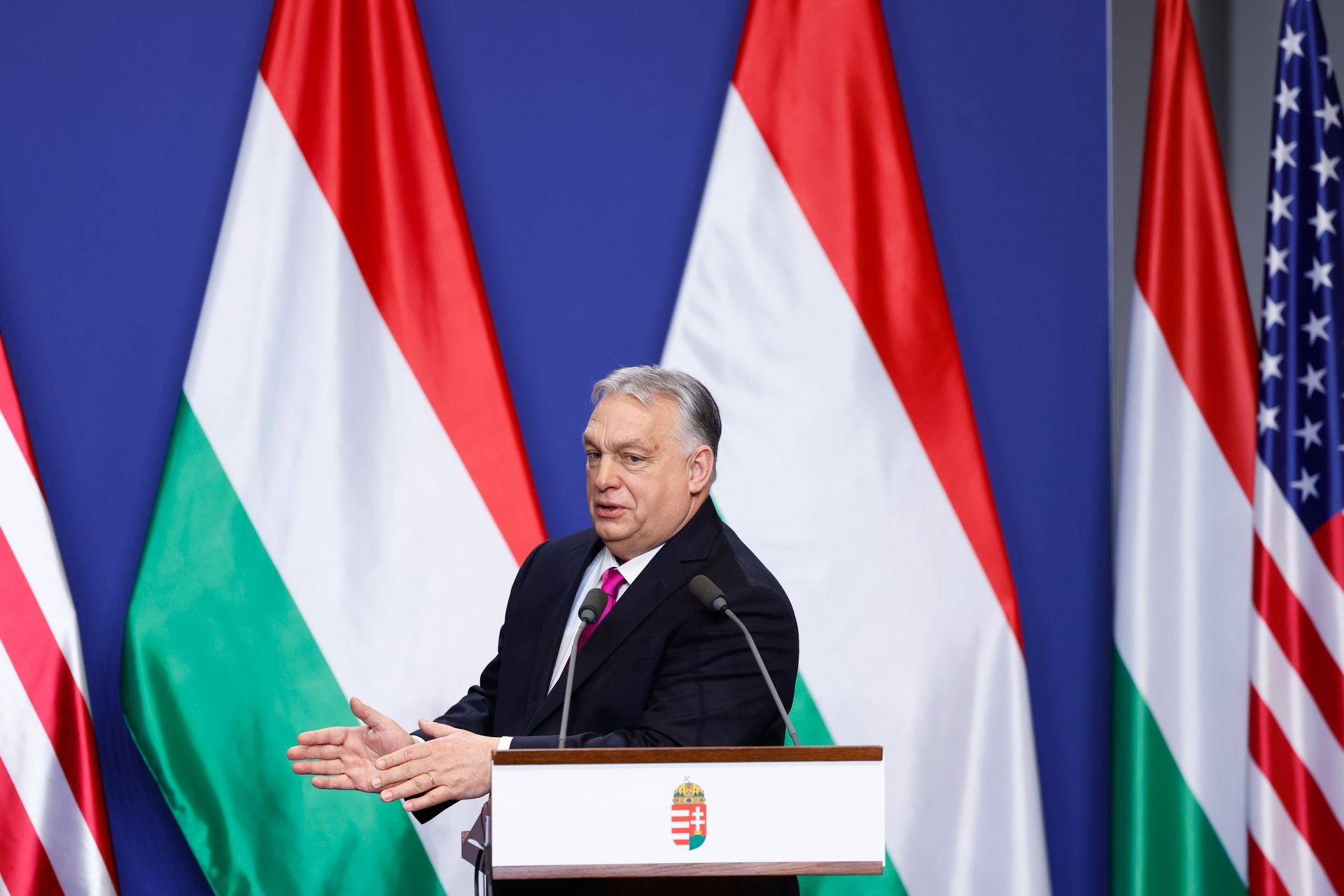
Orban threatens to block key goods transit to Ukraine unless oil supplies resume
#Orban #Hungary #Ukraine #oil supplies #transit blockade #Russia #conflict
📌 Key Takeaways
- Hungarian Prime Minister Viktor Orban threatens to block key goods transit to Ukraine.
- The threat is conditional on the resumption of Russian oil supplies to Hungary via Ukraine.
- This action could disrupt vital supply routes to Ukraine amid ongoing conflict.
- The move highlights tensions between Hungary and Ukraine over energy and transit issues.
📖 Full Retelling
🏷️ Themes
Geopolitical Tensions, Energy Security
Entity Intersection Graph
No entity connections available yet for this article.
Deep Analysis
Why It Matters
This development matters because it represents a significant escalation in tensions between Hungary and Ukraine, potentially disrupting critical supply chains during wartime. It affects Ukraine's military and civilian populations who rely on transit routes through Hungary for essential goods, and it impacts European Union unity as Hungary threatens to use its position to pressure Ukraine. The situation also has broader implications for EU foreign policy coherence and energy security in Eastern Europe.
Context & Background
- Hungary has maintained closer ties with Russia than most EU members since Russia's 2022 invasion of Ukraine
- The Druzhba pipeline has historically supplied Russian oil to Hungary and other Central European countries
- Hungary has previously blocked or delayed EU decisions regarding Ukraine, citing concerns about Hungarian minority rights in Ukraine
- Transit routes through Hungary have become increasingly important as Ukraine seeks alternative supply lines amid Russian attacks on infrastructure
What Happens Next
EU officials will likely convene emergency talks to address Hungary's threat and prevent disruption to Ukrainian supply chains. Ukraine may seek alternative transit routes through Poland or Romania while negotiating with Hungary. The European Commission may consider legal or financial measures if Hungary blocks EU-designated transit corridors. A resolution will probably be sought before the next EU summit in late October.
Frequently Asked Questions
Hungary is using transit restrictions as leverage to pressure Ukraine to resume oil supplies through the Druzhba pipeline, which Hungary depends on for energy security. This reflects Hungary's strategic balancing between EU commitments and its energy relationship with Russia.
Critical military supplies, humanitarian aid, and commercial goods moving between Ukraine and EU countries would be disrupted. This could include ammunition, medical supplies, food, and industrial components essential for Ukraine's defense and economy.
This threatens to further fracture EU consensus on supporting Ukraine, as Hungary has repeatedly diverged from common EU positions. It creates tension between member states and could weaken the bloc's coordinated response to Russian aggression.
Yes, but alternatives through Poland, Slovakia, and Romania have limited capacity and face logistical challenges. Rerouting would increase transit times and costs while potentially overloading neighboring countries' infrastructure.
The EU could initiate infringement procedures for violating single market rules or consider withholding funds under rule-of-law conditions. However, such measures would require political consensus that may be difficult to achieve quickly.