Who / What
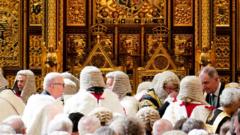
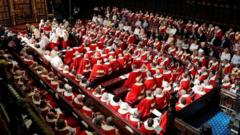
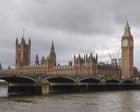
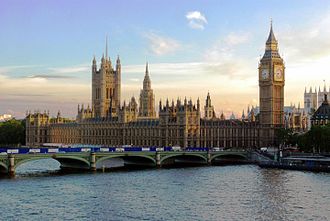
The Parliament of the United Kingdom is the supreme legislative body of the United Kingdom. It has the authority to make laws for the nation, and may also legislate for the Crown Dependencies and the British Overseas Territories.
Background & History
The Parliament of the United Kingdom was established as the supreme legislative authority for the country. It exercises overarching power over the entire UK. In 1999, varying degrees of powers were devolved to the national parliaments of Northern Ireland, Scotland, and Wales. Scotland holds the most extensive devolved powers among the three.
Why Notable
It is the ultimate source of law and policy in the United Kingdom, shaping national legislation and public services. Its jurisdiction extends beyond the mainland to Crown Dependencies and British Overseas Territories, giving it a broad legislative reach. The 1999 devolution reforms illustrate its capacity to adapt to regional governance while maintaining national unity.
In the News
Recent parliamentary debates focus on the scope and extent of devolved powers, reflecting ongoing discussions about regional autonomy. These debates influence the direction of fiscal and legislative priorities across the UK.