
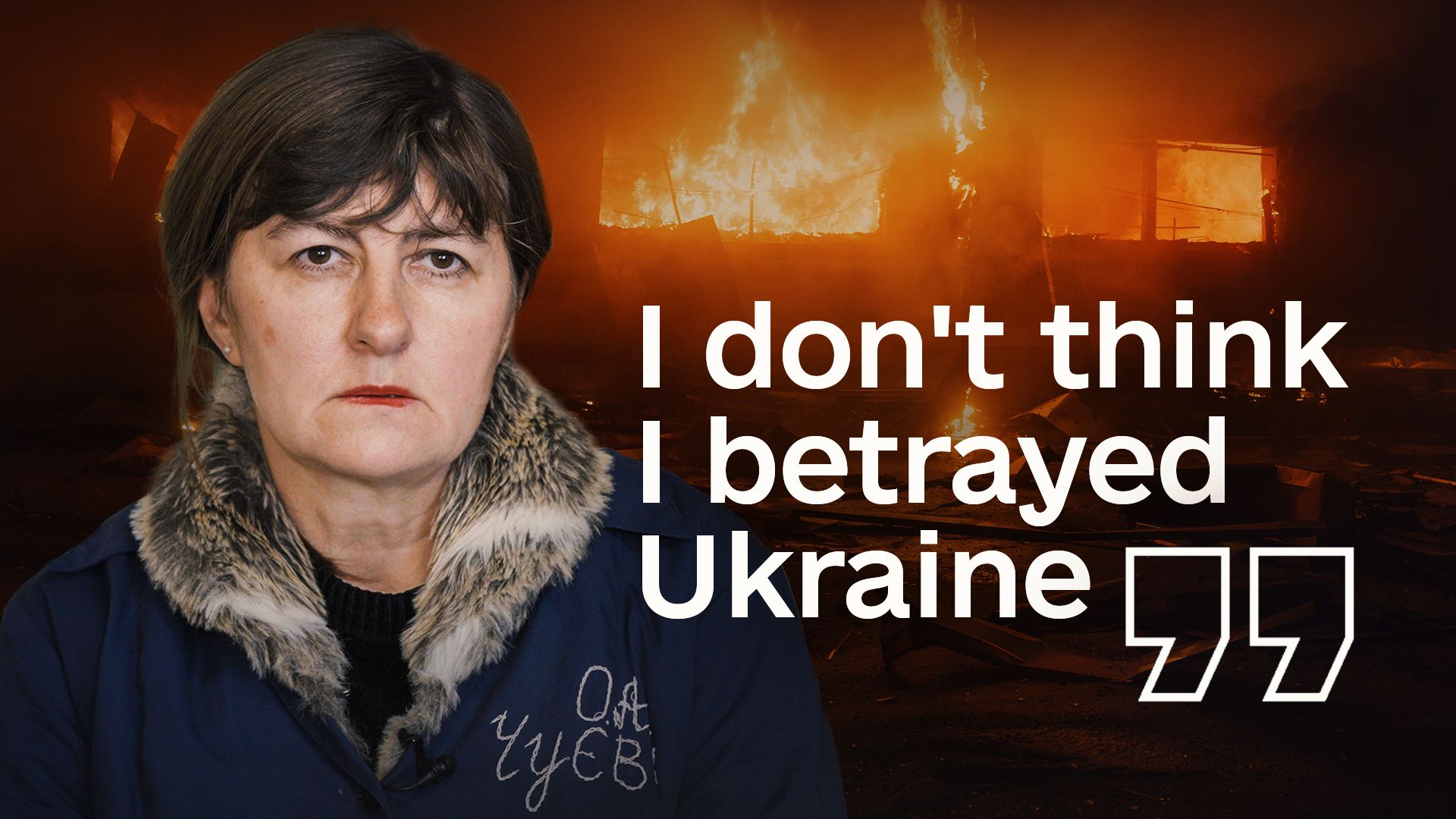
Inside a Ukrainian prison for women who sided with Russia
#Ukraine #prison #collaborators #Russia #women #conflict #justice #detention
📌 Key Takeaways
- Ukrainian prison holds women who collaborated with Russian forces during the conflict.
- The facility highlights legal consequences for Ukrainians accused of aiding the enemy.
- Inmates face charges ranging from espionage to providing material support to Russia.
- The prison underscores societal divisions and post-conflict justice challenges in Ukraine.
📖 Full Retelling
🏷️ Themes
War Crimes, Justice System
Entity Intersection Graph
No entity connections available yet for this article.
Deep Analysis
Why It Matters
This news matters because it reveals the human consequences of collaboration during wartime, affecting Ukrainian women who face imprisonment for supporting Russia's invasion. It highlights Ukraine's efforts to maintain internal security and deter further collaboration while raising questions about justice and rehabilitation. The situation impacts families divided by the conflict and demonstrates how societies deal with betrayal during existential threats.
Context & Background
- Ukraine has been prosecuting collaborators since Russia's full-scale invasion began in February 2022
- Ukrainian law provides for prison sentences of up to 15 years for collaboration with occupying forces
- Previous reports have documented Ukrainian men being imprisoned for similar offenses, but women's cases have received less attention
- The collaboration charges typically involve providing information, assistance, or support to Russian forces during occupation
What Happens Next
Ukrainian courts will continue processing collaboration cases through 2024, with potential appeals to higher courts. International human rights organizations may investigate prison conditions and trial fairness. Some prisoners might be considered for early release or prisoner exchanges if Russia shows willingness to negotiate swaps.
Frequently Asked Questions
The women were typically imprisoned for providing information to Russian forces, assisting with occupation administration, or supporting Russian military operations in occupied territories. Specific charges vary but generally involve collaboration activities that undermined Ukrainian sovereignty.
Ukraine uses evidence gathered during and after occupation, including witness testimony, intercepted communications, and documented activities. Prosecutors must prove individuals knowingly assisted Russian forces against Ukraine's interests, with courts determining guilt based on available evidence.
No, these women are not considered prisoners of war under international law because they are Ukrainian citizens accused of crimes against their own state. POW status applies to combatants captured from opposing military forces, not civilians accused of collaboration.
While specific conditions vary, Ukrainian prisons generally face overcrowding and resource constraints during wartime. International monitors have periodically access some facilities, but comprehensive assessments are limited due to security concerns and ongoing conflict.
Possibly, though Ukraine typically exchanges military prisoners rather than convicted collaborators. Any exchange would require negotiation with Russia and consideration of Ukraine's domestic laws regarding those convicted of collaboration offenses.