
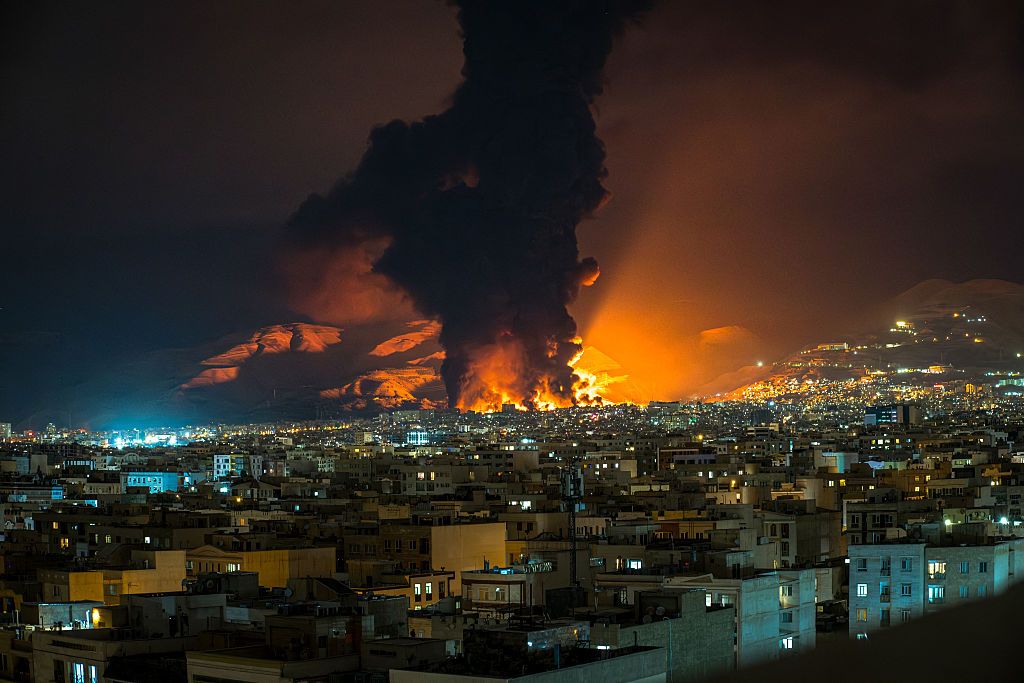
Oil prices surpass $100 a barrel for first time since Russia's 2022 invasion of Ukraine
#oil prices #$100 per barrel #Russia invasion #Ukraine #energy markets #supply disruptions #geopolitical tensions
📌 Key Takeaways
- Oil prices have exceeded $100 per barrel for the first time since Russia's 2022 invasion of Ukraine.
- This price surge marks a significant milestone in global energy markets.
- The increase is linked to ongoing geopolitical tensions and supply disruptions.
- The event highlights continued volatility and pressure in the oil sector.
📖 Full Retelling
🏷️ Themes
Energy Markets, Geopolitical Tensions
📚 Related People & Topics

Ukraine
Country in Eastern Europe
# Ukraine **Ukraine** is a country located in Eastern Europe. It is the second-largest country in Europe by area, after Russia. Known for its extensive fertile plains, the nation serves as a critical global exporter of grain and is considered a middle power in international affairs. ## Geography a...
Entity Intersection Graph
Connections for Ukraine:
Mentioned Entities
Deep Analysis
Why It Matters
This milestone matters because it signals renewed inflationary pressures on the global economy, affecting everything from transportation costs to consumer goods prices. It directly impacts household budgets through higher gasoline and heating costs, while businesses face increased operational expenses that may be passed to consumers. The price surge also strengthens Russia's economic position despite sanctions, complicating Western efforts to limit its war funding.
Context & Background
- Brent crude oil prices reached a peak of nearly $140 per barrel in March 2022 immediately following Russia's invasion of Ukraine
- OPEC+ production cuts implemented in 2023 and 2024 have reduced global supply by approximately 5.6 million barrels per day
- Geopolitical tensions in the Middle East, particularly Houthi attacks on shipping in the Red Sea, have disrupted oil transportation routes
- Global oil demand has remained resilient despite economic headwinds, with the International Energy Agency forecasting record consumption in 2024
- Previous oil price spikes above $100 occurred during the 2008 financial crisis and 2011-2014 period of Middle East instability
What Happens Next
Analysts expect continued volatility with potential for further price increases if Middle East conflicts escalate or if OPEC+ maintains production discipline. The U.S. may consider releasing additional strategic petroleum reserves to moderate prices ahead of November elections. Central banks worldwide will monitor the inflationary impact, potentially delaying planned interest rate cuts. Energy companies will likely increase capital expenditures for new drilling projects.
Frequently Asked Questions
Gasoline prices typically follow crude oil prices with a lag of 1-2 weeks, meaning consumers should expect significant increases at the pump. The average U.S. gasoline price could rise 20-30 cents per gallon, adding $15-25 to a typical fill-up. Higher transportation costs will also contribute to increased prices for goods and services throughout the economy.
Prices are rising due to constrained supply from OPEC+ production cuts and geopolitical disruptions, while demand remains stronger than expected. The combination of voluntary output reductions by Saudi Arabia and Russia, plus shipping disruptions in the Red Sea, has tightened global markets. Even with economic uncertainty, industrial activity and travel demand have supported consumption levels.
Governments can release strategic petroleum reserves, pressure OPEC+ to increase production, or implement policies to reduce domestic consumption. The U.S. has approximately 360 million barrels in its Strategic Petroleum Reserve that could be deployed. Diplomatic efforts to resolve Middle East conflicts and secure shipping routes would also help stabilize markets.
Higher oil prices significantly increase Russia's export revenue despite Western sanctions, providing more funding for its military operations. Each $10 increase in oil prices adds approximately $20 billion annually to Russia's budget. This financial boost complicates Western efforts to economically isolate Russia and limit its war-making capacity.
While not guaranteed, sustained high oil prices increase recession risks by raising costs for businesses and reducing consumer spending power. Historical patterns show that oil price spikes often precede economic downturns, though current conditions differ from previous crises. Much depends on whether prices stabilize or continue climbing, and how central banks respond to resulting inflation.