
A convergence of biological risks
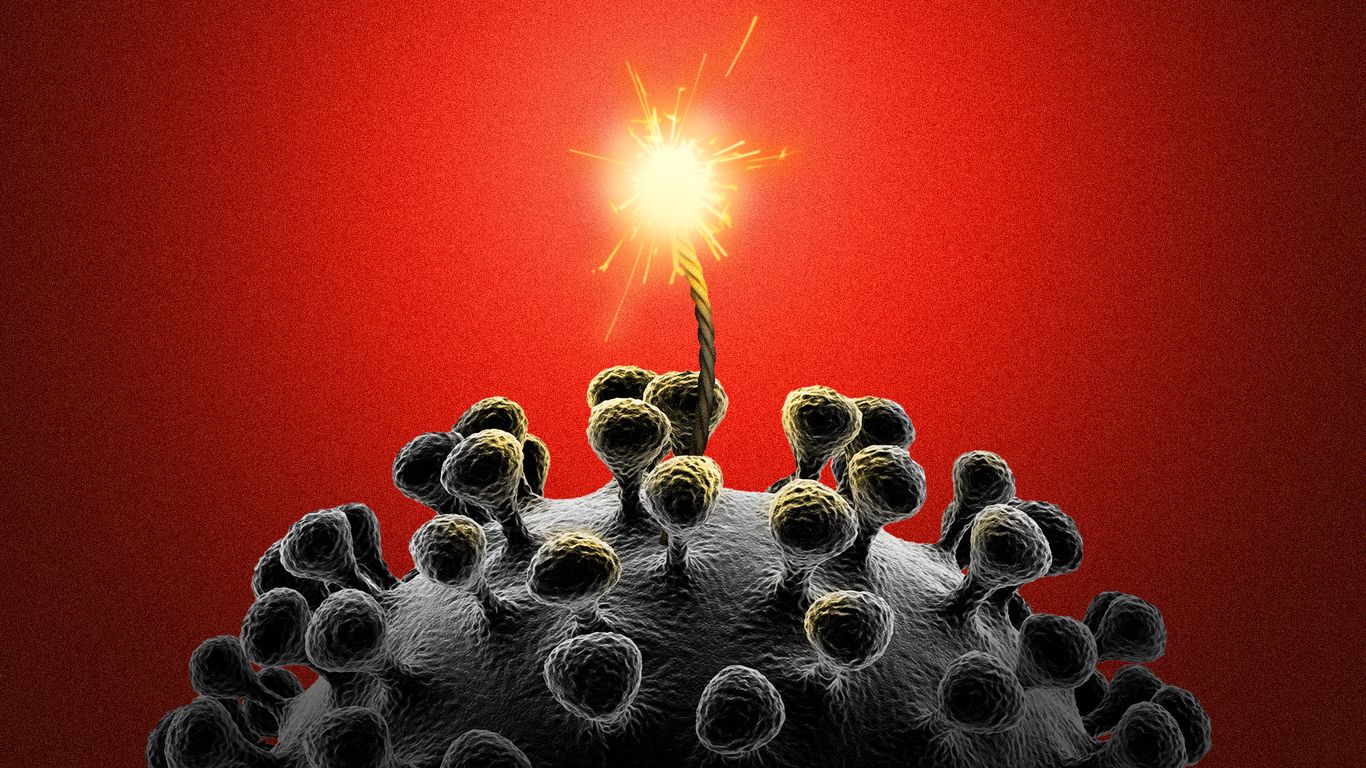
What's the common thread connecting AI advances, biological breakthroughs, a preponderance of high-risk-high-reward research, escalating geopolitical tensions and a hollowed-out U.S. public health sector?They all heighten the risk that one day a lethal human-made pathogen will emerge, either accidentally or intentionally, and we won't be ready for it.Why it matters: The same advances that make this a pivotal moment for medical innovation are intensifying the risk of catastrophic lab mishaps, though how significant a risk is hotly debated by experts."It is a very small tweak from trying to target a disease, and making gene therapies to try to target a disease, to turning a virus into something that can be much more detrimental," said Ashish Jha, the Biden administration's COVID response coordinator.He has since founded a company that aims to detect emerging biological threats.The big picture: There are plenty of grim scenarios.
Reported by 1 outlet — Axios. See all sources ↓
What's the common thread connecting AI advances, biological breakthroughs, a preponderance of high-risk-high-reward research, escalating geopolitical tensions and a hollowed-out U.S. public health sector?They all heighten the risk that one day a lethal human-made pathogen will emerge, either accidentally or intentionally, and we won't be ready for it.Why it matters: The same advances that make this a pivotal moment for medical innovation are intensifying the risk of catastrophic lab mishaps, though how significant a risk is hotly debated by experts."It is a very small tweak from trying to target a disease, and making gene therapies to try to target a disease, to turning a virus into something that can be much more detrimental," said Ashish Jha, the Biden administration's COVID response coordinator.He has since founded a company that aims to detect emerging biological threats.The big picture: There are plenty of grim scenarios. A bad actor could use an AI-enabled bioweapon to cause mass casualties around the world.The world's largest AI companies have highlighted that risk themselves and called for more guardrails.But the ways in which the world has become more dangerous since the pandemic may be underappreciated, Jha told Axios."The scenario I worry most about is not a nation state deciding to use a biological weapon. The scenario I worry most about is an accidental release from a deliberate program," he said.And, in fact, scientific advances may have only made a lab leak more likely, despite fierce political blowback to "gain of function" research."Regardless of the science and AI and all that, the number of labs that are out there ...
Read the full report at Axios ↗
Why it matters
A world story we're tracking; its significance and source trust firm up as more outlets confirm it.
- What's the story?
- What's the common thread connecting AI advances, biological breakthroughs, a preponderance of high-risk-high-reward research, escalating geopolitical tensions and a hollowed-out U.S. public health sector?They all heighten the risk that one day a lethal human-made pathogen will emerge, either accidentally or intentionally, and we won't be ready for it.Why it matters: The same advances that make this a pivotal moment for medical innovation are intensifying the risk of catastrophic lab mishaps, though how significant a risk is hotly debated by experts."It is a very small tweak from trying to target a disease, and making gene therapies to try to target a disease, to turning a virus into something that can be much more detrimental," said Ashish Jha, the Biden administration's COVID response coordinator.He has since founded a company that aims to detect emerging biological threats.The big picture: There are plenty of grim scenarios.
- How widely is it covered?
- 1 outlet, average source rating 7.0/10.
- When was it last updated?
- just now ago.
How outlets are framing the same story
Here's how each outlet is covering the story — compare their headlines and timing at a glance.
- Coverage card1 outlet1CoverageScouting report
A convergence of biological risks
Sources1TypeCoverageAxios