
A once-outlawed Māori art form is alive and in the flesh
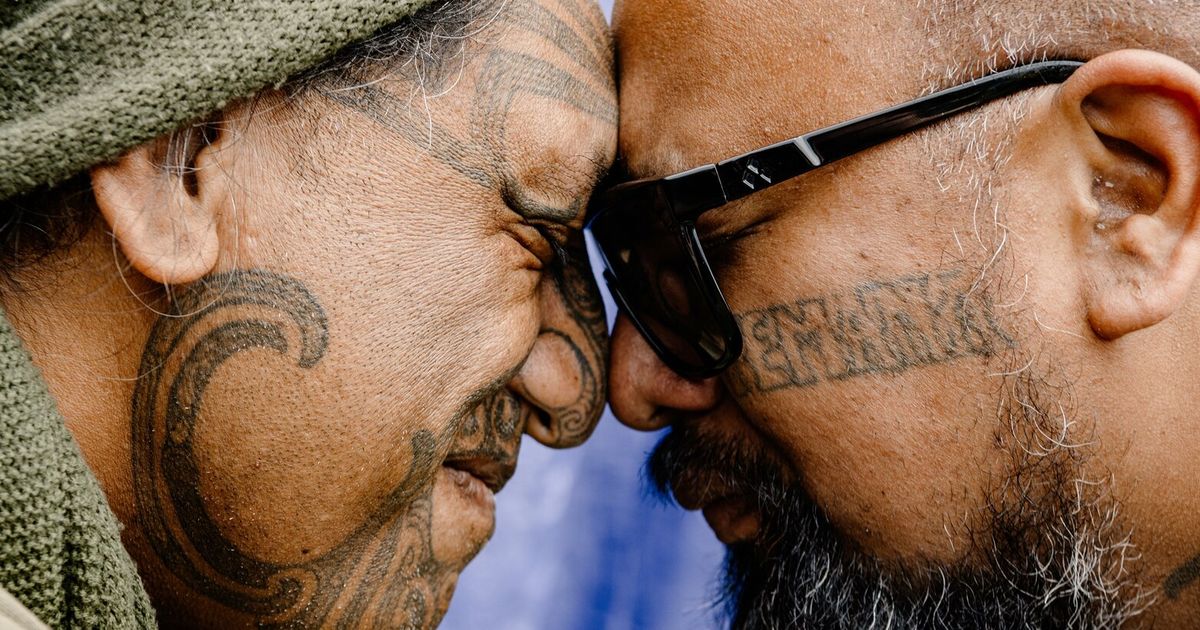
Young Māori in New Zealand are embracing tā moko, the ritual tattoos that were banned under British colonial rule and became an act of protest in the 1970s.
Reported by 1 outlet — Seattle Times. See all sources ↓
Young Māori people in New Zealand are getting tā moko, traditional facial tattoos. The British colonial government banned tā moko in the 1800s. In the 1970s, Māori revived the practice as a protest against oppression. Today, tā moko is a living expression of Māori identity and pride.
Why it matters
The revival shows how indigenous cultures can reclaim traditions after colonization. It helps people understand the importance of cultural heritage and resistance.
- What is tā moko?
- Tā moko is the traditional Māori practice of tattooing the face and body with meaningful designs.
- Why was tā moko banned?
- British colonists banned it in the 1800s to suppress Māori culture.
- How is tā moko used today?
- Many young Māori get tā moko to express their identity and pride.
How outlets are framing the same story
Here's how each outlet is covering the story — compare their headlines and timing at a glance.
Only one outlet reported the story, so all outlets frame it the same way.
- Coverage card1 outlet1CoverageScouting report
A once-outlawed Māori art form is alive and in the flesh
Sources1TypeCoverageSeattle Times