
Dry, hot summers are putting Dutch dikes at risk and threatening German river trade
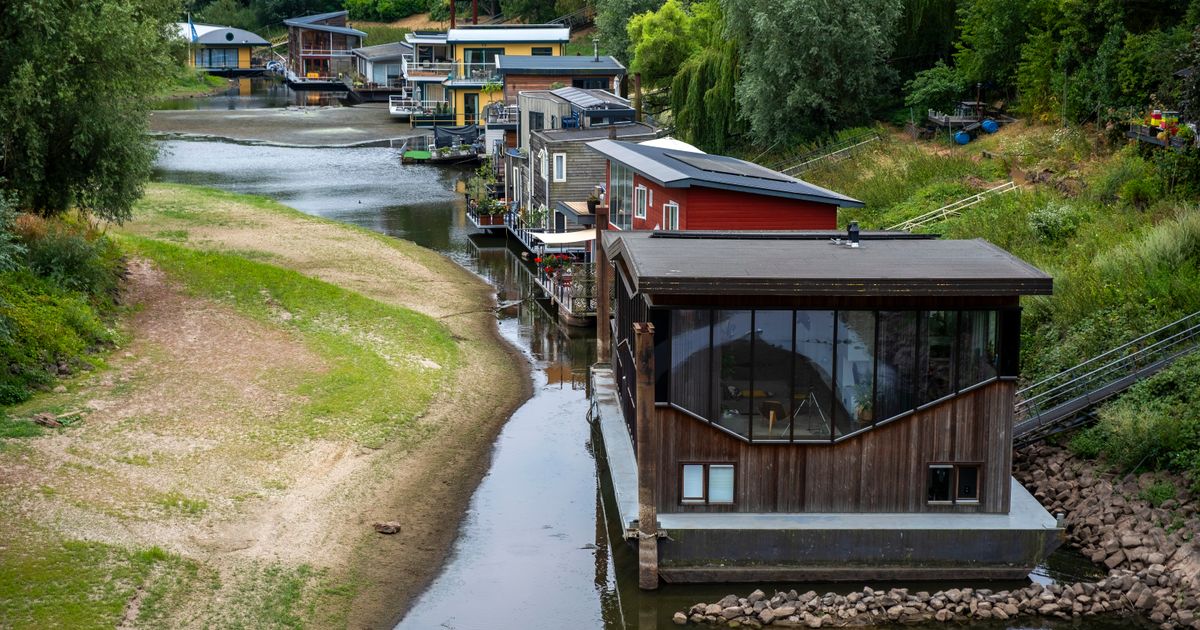
The Netherlands and Germany are suffering the consequences of a European heat wave that has brought dought and sparked devastating wildfires in France, Spain, Portugal, Crete and elsewhere.
Reported by 1 outlet — Seattle Times. See all sources ↓
Hot and dry summers in Europe are weakening the dikes that protect the Netherlands from flooding. Dikes are strong walls that keep seawater from flooding low‑lying land. The same heat is lowering water levels in German rivers, making it harder for ships to carry goods. A heat wave has also caused drought and wildfires in France, Spain, Portugal and Greece's island of Crete. Experts warn that if the weather stays extreme, flood risks and river trade problems could grow.
Why it matters
People living near the coast rely on dikes for safety, and many businesses depend on river transport for goods. If these systems fail, it could affect daily life and the economy in both countries.
- What is causing the danger to Dutch dikes?
- Hot, dry summers are making the ground weaker and increasing pressure on the dikes.
- How does the heat affect German river trade?
- Lower river levels reduce the depth needed for ships, slowing or stopping trade.
- Where else has the heat wave caused problems?
- It has led to drought and wildfires in France, Spain, Portugal and Crete.
How outlets are framing the same story
Here's how each outlet is covering the story — compare their headlines and timing at a glance.
All outlets frame the story the same way, focusing on the climate‑related risks to Dutch dikes and German river trade.
- Coverage card1 outlet1CoverageScouting report
Dry, hot summers are putting Dutch dikes at risk and threatening German river trade
Sources1TypeCoverageSeattle Times