
Fed rates dissenters make their case for higher rates
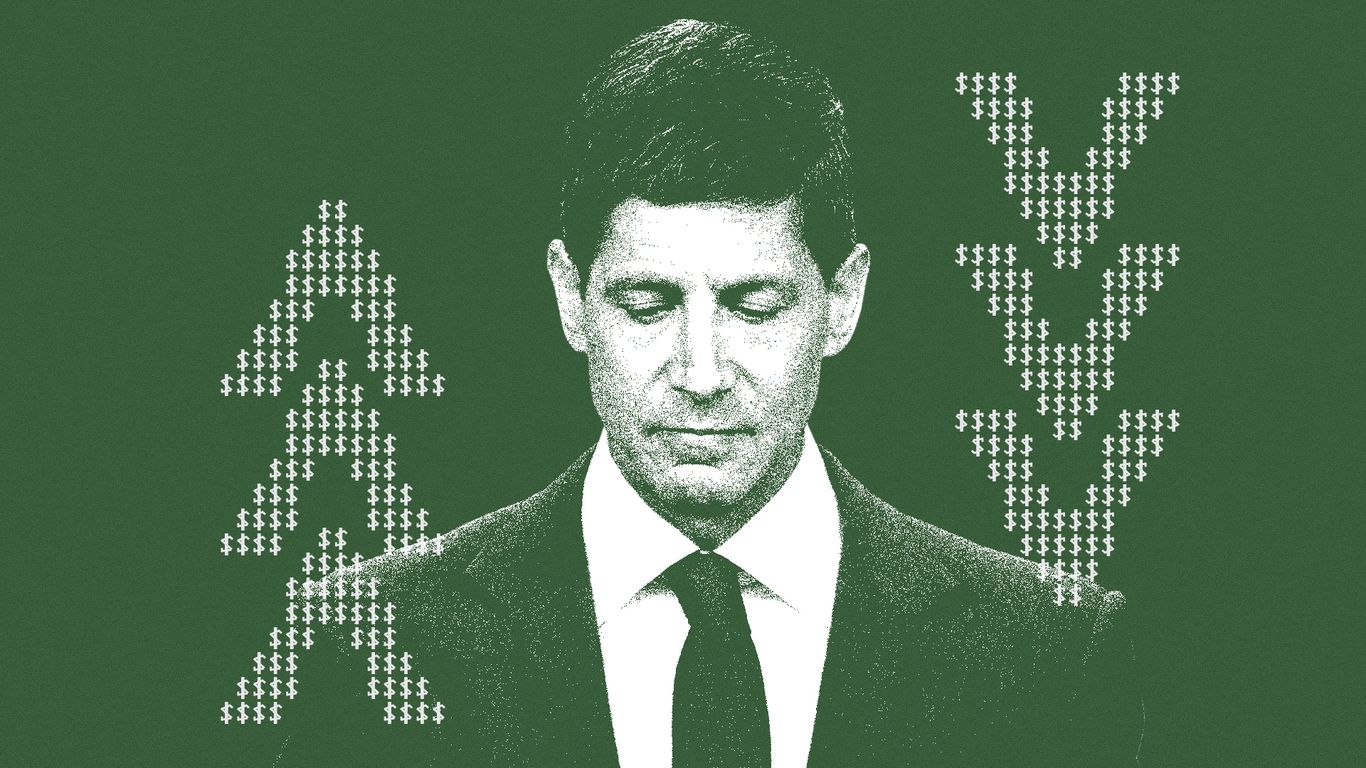
Inflation has been too high for too long, and the Federal Reserve should not count on it fading without further action.That is the argument from the three Fed officials who dissented from the decision led by chairman Kevin Warsh to leave interest rates unchanged this week, preferring instead to raise them.Why it matters: Together, the dissents lay out a blueprint for the Fed's hawkish wing, arguing that repeated supply shocks paired with resilient demand have made inflation too persistent to fade on its own without tighter monetary policy.The question in the months ahead is whether that argument persuades more policymakers, especially if inflation remains stubborn.It is worth watching whether they turn out to have momentum persuading other voting members of the Fed's policy committee in the weeks ahead.What they're saying: "I increasingly believe that monetary policy does have an important role to play in addressing a series of successive supply shocks that might lead to entrenched higher inflation," Minneapolis Fed president Neel Kashkari said in a statement Friday morning.In a separate statement, Cleveland Fed President Beth Hammack said she is "not confident" that inflation will return to the Fed's 2% target on its own.The big picture: The three dissenters broke with the majority by voting for a quarter-point rate increase. They emphasized different concerns but reached the same conclusion: Rates are not holding back the economy enough to bring down inflation.
Reported by 1 outlet — Axios. See all sources ↓
Inflation has been too high for too long, and the Federal Reserve should not count on it fading without further action.That is the argument from the three Fed officials who dissented from the decision led by chairman Kevin Warsh to leave interest rates unchanged this week, preferring instead to raise them.Why it matters: Together, the dissents lay out a blueprint for the Fed's hawkish wing, arguing that repeated supply shocks paired with resilient demand have made inflation too persistent to fade on its own without tighter monetary policy.The question in the months ahead is whether that argument persuades more policymakers, especially if inflation remains stubborn.It is worth watching whether they turn out to have momentum persuading other voting members of the Fed's policy committee in the weeks ahead.What they're saying: "I increasingly believe that monetary policy does have an important role to play in addressing a series of successive supply shocks that might lead to entrenched higher inflation," Minneapolis Fed president Neel Kashkari said in a statement Friday morning.In a separate statement, Cleveland Fed President Beth Hammack said she is "not confident" that inflation will return to the Fed's 2% target on its own.The big picture: The three dissenters broke with the majority by voting for a quarter-point rate increase. They emphasized different concerns but reached the same conclusion: Rates are not holding back the economy enough to bring down inflation. "Labor, consumption and financial market conditions indicate that monetary policy is not restraining the economy," Dallas Fed president Lorie Logan wrote in a statement. "Without any policy restraint, inflation will likely continue to trend above target until there's an unanticipated shock."Between the lines: Kashkari said the Fed should usually look through temporary supply shocks.
Read the full report at Axios ↗
Why it matters
A world story we're tracking; its significance and source trust firm up as more outlets confirm it.
- What's the story?
- Inflation has been too high for too long, and the Federal Reserve should not count on it fading without further action.That is the argument from the three Fed officials who dissented from the decision led by chairman Kevin Warsh to leave interest rates unchanged this week, preferring instead to raise them.Why it matters: Together, the dissents lay out a blueprint for the Fed's hawkish wing, arguing that repeated supply shocks paired with resilient demand have made inflation too persistent to fade on its own without tighter monetary policy.The question in the months ahead is whether that argument persuades more policymakers, especially if inflation remains stubborn.It is worth watching whether they turn out to have momentum persuading other voting members of the Fed's policy committee in the weeks ahead.What they're saying: "I increasingly believe that monetary policy does have an important role to play in addressing a series of successive supply shocks that might lead to entrenched higher inflation," Minneapolis Fed president Neel Kashkari said in a statement Friday morning.In a separate statement, Cleveland Fed President Beth Hammack said she is "not confident" that inflation will return to the Fed's 2% target on its own.The big picture: The three dissenters broke with the majority by voting for a quarter-point rate increase. They emphasized different concerns but reached the same conclusion: Rates are not holding back the economy enough to bring down inflation.
- How widely is it covered?
- 1 outlet, average source rating 7.0/10.
- When was it last updated?
- 20h ago.
How outlets are framing the same story
Here's how each outlet is covering the story — compare their headlines and timing at a glance.
- Coverage card1 outlet1CoverageScouting report
Fed rates dissenters make their case for higher rates
Sources1TypeCoverageAxios