
First Thing: US government borrowing costs hit new high as strikes on Iran resume
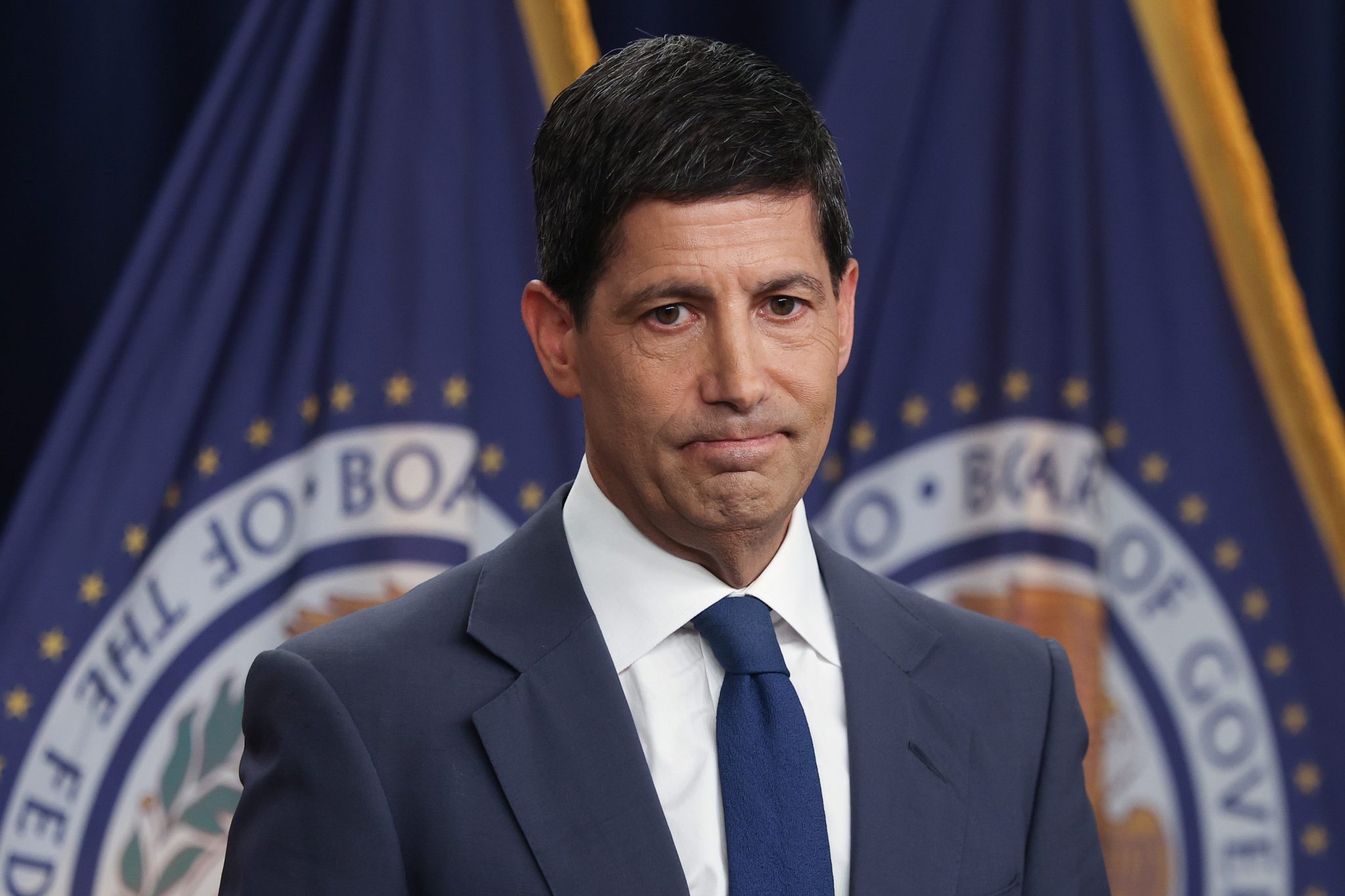


The Federal Reserve on Wednesday chose to hold interest rates steady, though three officials voted for a hike. Kelly O'Grady explains what this means for consumers and if a rate hike could come later this year.
Reported by 7 outlets — CBS News, The Guardian US, Investing.com · Economy, Fortune, Business Insider. See all sources ↓
The US Federal Reserve kept its interest rates unchanged at 3.5% to 3.75%. At the same time, the cost of US government borrowing rose to its highest level since 2007. Some analysts link the rise in borrowing costs to higher oil prices caused by renewed strikes in Iran. Three Fed officials voted for a rate increase, showing disagreement inside the committee.
Why it matters
Higher borrowing costs make it more expensive for the government to pay its debt, which can affect taxes and spending. For ordinary people, it can lead to higher loan rates and affect the cost of everyday goods.
- What did the Federal Reserve decide about interest rates?
- It left rates unchanged at the current range.
- Why did US government borrowing costs rise?
- They rose partly because oil prices went up after strikes in Iran, raising inflation worries.
- Did all Fed officials agree with the decision?
- No, three officials voted to raise rates, showing a split.
How outlets are framing the same story
These are the main editorial angles found across reporting. Use them to quickly compare what different outlets emphasize, omit, or question.
Some outlets stressed the rise in government borrowing costs and its link to Iran‑related oil shocks, while others focused on the possibility of future rate hikes or the internal disagreement among Fed officials. A few also connected the Fed’s move to broader issues like tariffs, debt, or the cautious stance of other central banks.
- Coverage cardFraming signal1AngleScouting report
Emphasis on borrowing costs hitting a 2007 high and link to Iran strikes
Sources2TypeAngleThe Guardian UShighlights borrowing costs surge since 2007, ties to Iran war
Investing.com · Economynotes energy shock from Iran war pushing inflation
- Coverage cardFraming signal2AngleScouting report
Focus on possible future rate hike and market expectations
Sources2TypeAngleCBS Newsdiscusses chance of a hike later this year
- Coverage cardFraming signal3AngleScouting report
Highlight of internal Fed dissent and vote split
Sources2TypeAngleBusiness Insiderreports 9‑3 vote with three members favoring a hike
Fortunementions dissenting votes from three regional presidents
- Coverage cardFraming signal4AngleScouting report
Connection to broader economic pressures like tariffs, debt, or other central banks’ caution
Sources2TypeAngle