
Here's how engineers plan to save the satellite sent to save NASA's Swift mission
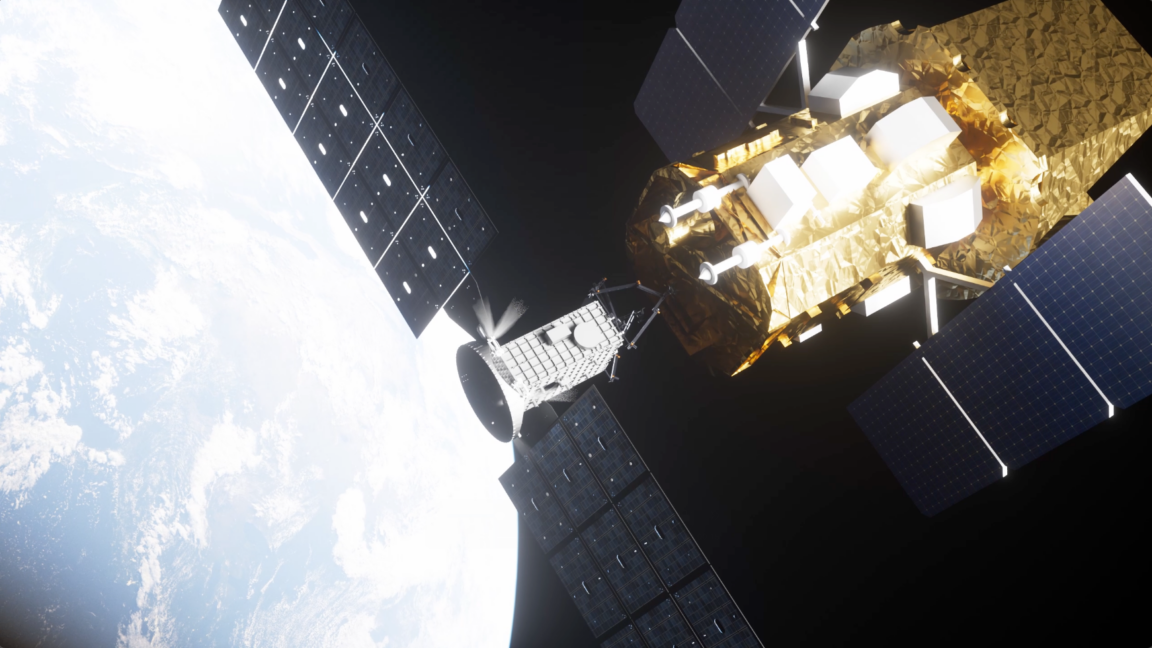
One week ago, more than 200 miles above the Earth, a refrigerator-size satellite making its way toward an attempted rescue of NASA's $500 million Swift gamma-ray observatory suddenly spun out of control. The spacecraft, named Link, was rotating on multiple axes, rendering it unable to maintain a reliable communications link with the ground and complicating efforts to arrest the spin.
Reported by 1 outlet — Ars Technica. See all sources ↓
A small satellite called Link was sent to help fix NASA's Swift gamma-ray observatory. One week ago, while over 200 miles above Earth, Link began to spin out of control. Two of its three reaction wheels stopped working, and engineers lost steady radio contact. They found a problem with the satellite's cold gas thruster system.
Why it matters
The Swift observatory studies powerful explosions in space called gamma-ray bursts, which help scientists understand the universe. Saving Link could prevent the loss of a $500 million mission and show how engineers handle problems in space.
- What is Link?
- Link is a refrigerator-size satellite sent to assist NASA's Swift gamma-ray observatory.
- What went wrong with Link?
- It started spinning out of control, lost two reaction wheels, and had a problem with its cold gas thruster.
How outlets are framing the same story
Here's how each outlet is covering the story — compare their headlines and timing at a glance.
All outlets present the story with the same focus on the technical problem and rescue effort.
- Coverage card1 outlet1CoverageScouting report
Here's how engineers plan to save the satellite sent to save NASA's Swift mission
Sources1TypeCoverageArs Technica