
How Spain's migrant crisis created a political storm - whipped up by social media
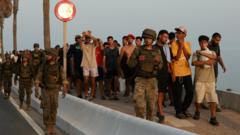
The Ceuta crossings have shaken Europe politically, exposing divisions over the sensitive issue of migration, the BBC's Sarah Rainsford writes.
Reported by 1 outlet — BBC World. See all sources ↓
In May 2021, thousands of migrants crossed from Morocco into the Spanish city of Ceuta. The sudden arrival overwhelmed local authorities and sparked protests. Politicians blamed each other and used social media to spread claims about the crisis. The event intensified debates across Europe about how to manage migration.
Why it matters
The situation shows how migration can quickly become a political issue that affects everyday life. Understanding it helps readers see why social media can shape public opinion and policy.
- What happened in Ceuta?
- Thousands of migrants entered the Spanish enclave from Morocco in a short time.
- How did social media play a role?
- Politicians and users posted videos and claims that increased tensions and spread misinformation.
- Why does this matter for Europe?
- It highlights disagreements among EU countries on handling migrant arrivals.
How outlets are framing the same story
Here's how each outlet is covering the story — compare their headlines and timing at a glance.
All outlets frame the story similarly, focusing on the political impact of the Ceuta migrant crossings amplified by social media.
- Coverage card1 outlet1CoverageScouting report
How Spain's migrant crisis created a political storm - whipped up by social media
Sources1TypeCoverageBBC World