
How Theory Took Over the World
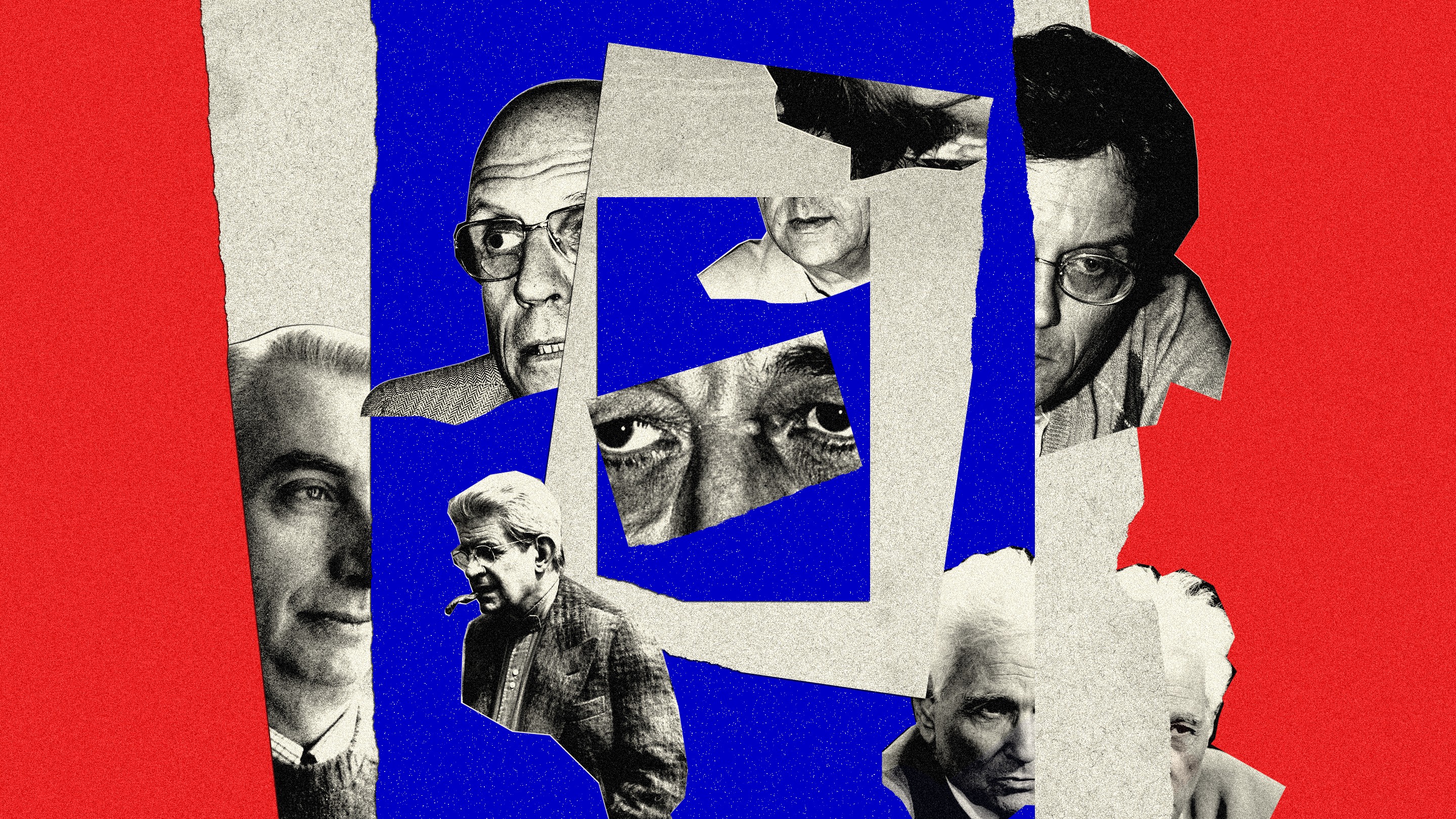
Separating facts from lies, and real thoughts from fabrications, can seem more difficult than ever: Words and images are easily faked, and some writers at every stage—students, academics, novelists—are letting machines do the work for them. The author may as well be dead.
Reported by 1 outlet — The Atlantic. See all sources ↓
Separating facts from lies, and real thoughts from fabrications, can seem more difficult than ever: Words and images are easily faked, and some writers at every stage—students, academics, novelists—are letting machines do the work for them. The author may as well be dead. Ubiquitous cameras are eroding human privacy, creating the sense that we live in a panopticon. And across many popular platforms, information is often shorn of context, if not outright false.The fact that I feed my kids and pay my rent as a novelist and teacher likely intensifies the queasiness I feel at these developments.
Read the full report at The Atlantic ↗
Why it matters
A world story we're tracking; its significance and source trust firm up as more outlets confirm it.
- What's the story?
- Separating facts from lies, and real thoughts from fabrications, can seem more difficult than ever: Words and images are easily faked, and some writers at every stage—students, academics, novelists—are letting machines do the work for them. The author may as well be dead.
- How widely is it covered?
- 1 outlet, average source rating 8.0/10.
- When was it last updated?
- just now ago.
How outlets are framing the same story
Here's how each outlet is covering the story — compare their headlines and timing at a glance.
- Coverage card1 outlet1CoverageScouting report
How Theory Took Over the World
Sources1TypeCoverageThe Atlantic