
How Washington’s war on ‘Wall Street landlords’ could backfire on Gen Z renters
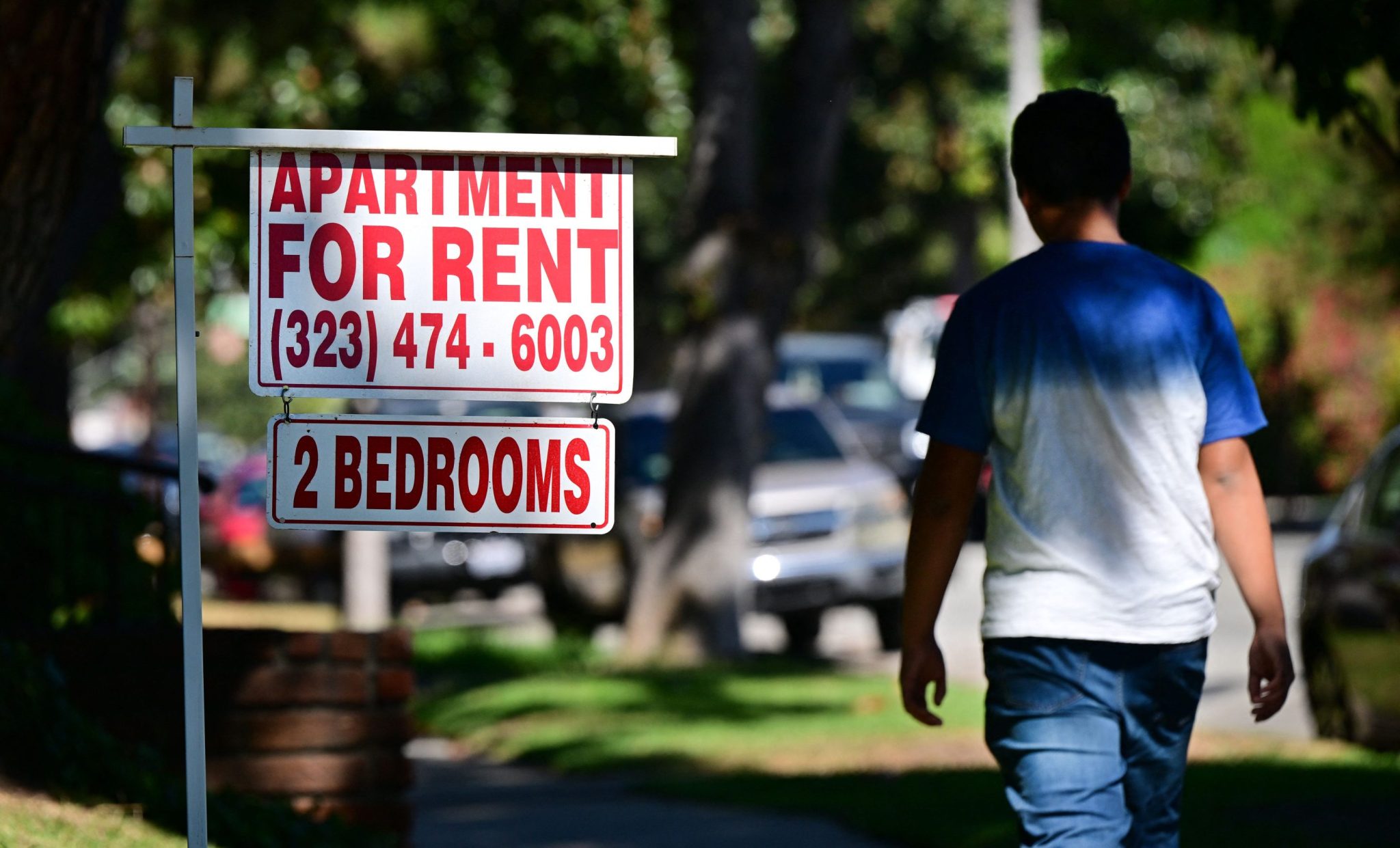
As Congress finalizes the largest housing bill in decades, new industry data and independent housing research are complicating the political narrative that fueled it — suggesting the crackdown on institutional single-family investors may do little to fix affordability while cutting off a rental supply source that had quietly been helping cash-strapped young renters. The 21st Century ROAD to Housing Act, which combined House and Senate housing packages and passed with rare bipartisan support from lawmakers including Sen.
Reported by 1 outlet — Fortune. See all sources ↓
Congress has passed a big housing bill called the 21st Century ROAD to Housing Act. The bill aims to limit big investors, often called “Wall Street landlords,” who buy many single‑family homes to rent. Supporters say it will help make housing more affordable. But new research shows the limits could cut rental homes available to young renters, especially Gen Z, and may not lower rents.
Why it matters
This law could change how many rental homes are available and what they cost. Young people looking for their first apartment may find fewer choices or higher prices.
- What is the 21st Century ROAD to Housing Act?
- It is a new housing law passed by Congress that tries to reduce the power of large investors who buy many single‑family homes to rent.
- How might the law affect Gen Z renters?
- Researchers warn that limiting these investors could reduce the number of rental homes, making it harder and more expensive for young people to find a place to live.
How outlets are framing the same story
Here's how each outlet is covering the story — compare their headlines and timing at a glance.
Only one outlet (Fortune) reported the story, so all outlets frame it the same way.
- Coverage card1 outlet1CoverageScouting report
How Washington’s war on ‘Wall Street landlords’ could backfire on Gen Z renters
Sources1TypeCoverageFortune