
Huge blankets of seaweed are smothering coastlines from the Caribbean to Mexico
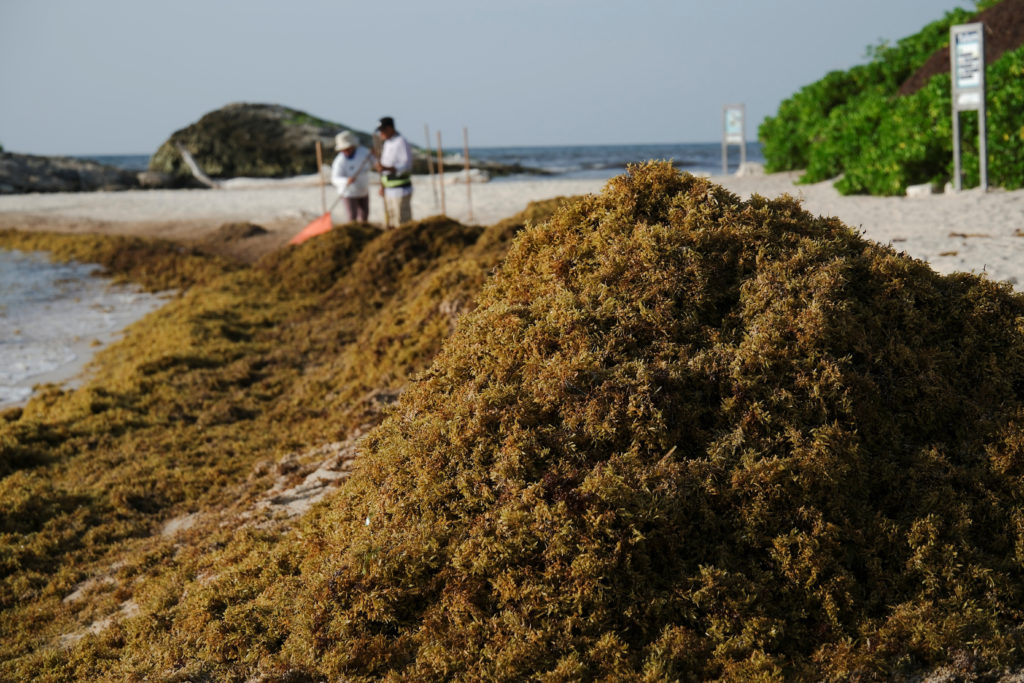
Some 27 million metric tons of self-sustaining sargassum have been recorded in the Atlantic, Caribbean and Gulf of Mexico in July, according to a report released Friday by the University of South Florida's Optical Oceanography Lab.
Reported by 1 outlet — PBS NewsHour. See all sources ↓
Huge blankets of seaweed called sargassum are covering beaches from the Caribbean to Mexico. In July, scientists measured about 27 million metric tons of this seaweed in the Atlantic, Caribbean and Gulf of Mexico. The data comes from a report by the University of South Florida's Optical Oceanography Lab. The seaweed can block sunlight, harm marine life and make beaches less attractive for visitors.
Why it matters
When sargassum piles up, it can hurt tourism and fishing, which many coastal communities depend on for income. Cleaning the seaweed costs money and can disturb the natural balance of the ocean.
- What is the name of the seaweed causing the problem?
- It is called sargassum.
- How much sargassum was recorded in July?
- About 27 million metric tons were recorded.
- Who released the report on the seaweed amount?
- The University of South Florida's Optical Oceanography Lab released the report.
How outlets are framing the same story
Here's how each outlet is covering the story — compare their headlines and timing at a glance.
All outlets present the story in the same way, focusing on the size of the seaweed bloom and its source.
- Coverage card1 outlet1CoverageScouting report
Huge blankets of seaweed are smothering coastlines from the Caribbean to Mexico
Sources1TypeCoveragePBS NewsHour