
Iran War Drives Oil Profits to Highest Levels in Years
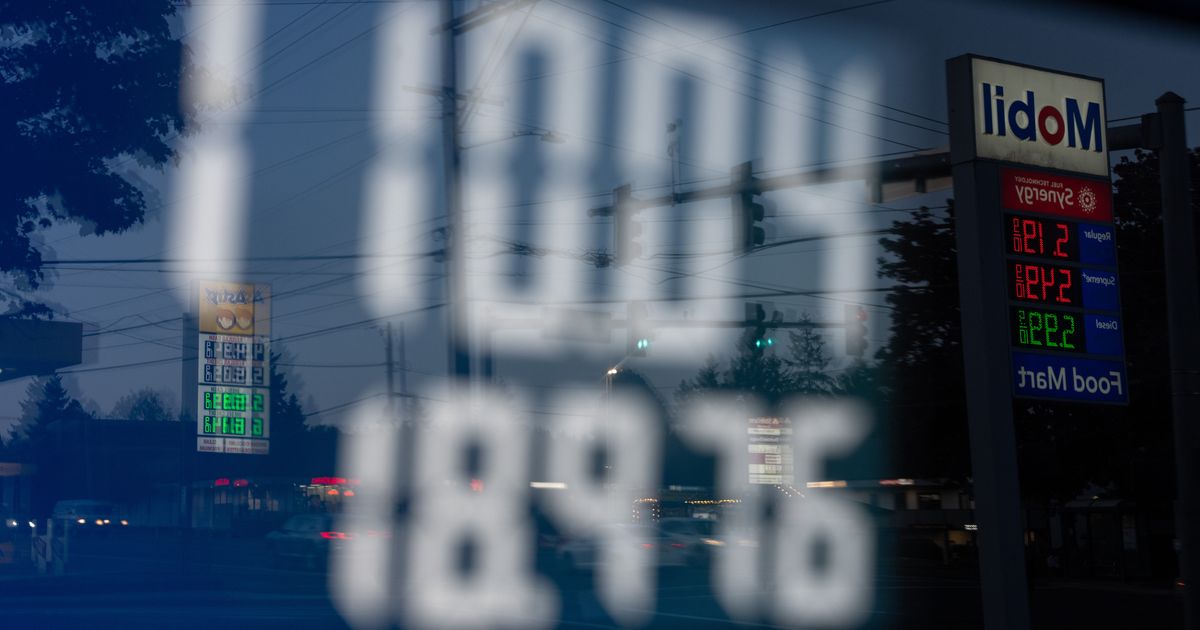

An Exxon Mobil refinery in Baytown, Texas. The war with Iran has been a boon for many oil producers.
Reported by 3 outlets — NYT Business, CNBC Top News, Seattle Times. See all sources ↓
The Iran‑U.S. conflict has pushed oil prices higher. Higher prices have increased profits for big oil companies like Exxon and Chevron. Analysts expect more profits because the fighting has slowed oil shipments. An Exxon refinery in Baytown, Texas, is one example of a site benefiting from the situation.
Why it matters
Higher oil profits can lead to higher fuel prices for consumers. It also shows how world events can affect the economy and everyday costs.
- Why did oil profits rise?
- Because the Iran‑U.S. conflict raised oil prices.
- Which companies saw higher profits?
- Exxon Mobil and Chevron reported higher second‑quarter profits.
How outlets are framing the same story
These are the main editorial angles found across reporting. Use them to quickly compare what different outlets emphasize, omit, or question.
The outlets differ in emphasis: NYT gives a specific refinery example and calls the war a boon; CNBC focuses on the profit surge of two named companies and the timing of their reports; Seattle Times highlights analysts’ expectations and notes that fighting has impeded oil shipments.
- Coverage cardFraming signal1AngleScouting report
NYT highlights a specific Exxon refinery in Baytown, Texas as a beneficiary.
Sources1TypeAngleNYT BusinessNotes the Baytown refinery as example
- Coverage cardFraming signal2AngleScouting report
CNBC names Exxon and Chevron and notes their second‑quarter profit surge.
Sources1TypeAngleCNBC Top NewsReports profit surge for Exxon and Chevron in Q2
- Coverage cardFraming signal3AngleScouting report
Seattle Times stresses analysts’ expectations and says fighting slowed oil shipments.
Sources1TypeAngleSeattle TimesSays analysts expect profits due to impeded shipments