
Lost city tied to biblical Exodus may have finally been discovered in Egypt
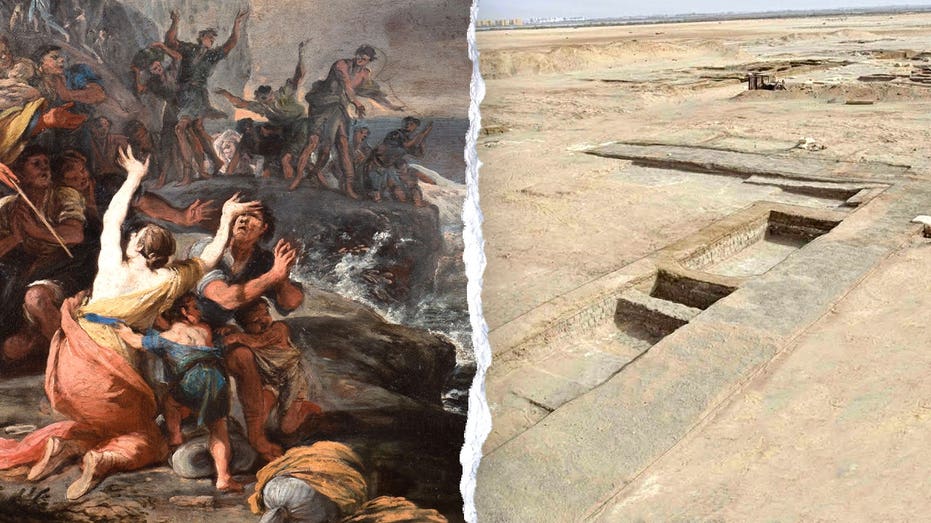
Archaeologists in Egypt have uncovered new evidence that could help pinpoint a long-lost ancient city along a military route, with possible ties to the biblical Exodus.The discovery was announced by the Egyptian Ministry of Tourism and Antiquities on August 15.The excavation centered on Tell Abu Seifi, an ancient fortified site in northeastern Egypt near the Sinai Peninsula that archaeologists believe may be the long-lost city of Mesen.ARCHAEOLOGISTS UNCOVER MYSTERIOUS FACE HIDDEN FOR CENTURIES IN BOOK OF REVELATION CITYThe site once stood along the Horus Military Road, a strategic route connecting Egypt with Sinai and Canaan, which some scholars have linked to the "way of the land of the Philistines" in the Book of Exodus.As Exodus details, the Israelites fled Egypt under Moses but were led away from the more direct route through the land of the Philistines, despite it being the shorter path toward Canaan.In a translated statement, officials said archaeologists found a massive sandstone lintel, or stone beam, bearing the titles of Ramesses II, the pharaoh often associated with Moses.Ramesses II, born around 1303 B.C., is considered one of the most influential and powerful Egyptian rulers of the New Kingdom era.He died in roughly 1213 B.C., placing the newly uncovered beam at more than 3,000 years old.The lintel also bears an inscription referring to the restoration of a statue of Horus, described as "Lord of the City of Mesen."CLICK HERE TO SIGN UP FOR OUR LIFESTYLE NEWSLETTEROfficials said the inscription strengthens the theory that Tell Abu Seifi may be the site of Mesen, which had been mentioned in texts dating to the New Kingdom.Archaeologists also unearthed the remains of a fortified temple complex, including a mudbrick enclosure wall and gates, along with storage rooms and two ancient stone roads leading into the temple.The new evidence "presents a strong archaeological and historical hypothesis linking the site to the ancient Egyptian city of Mesen," the statement read."However, excavation and scientific study remain ongoing in the search for further evidence that could definitively settle the question," officials said.TEST YOURSELF WITH OUR LATEST LIFESTYLE QUIZThe site continued to evolve long after the temple was built, with parts of it converted into a Roman military barracks during the third century A.D. Archaeologists also uncovered fragments of falcon statues and other sculptures.In a statement, Minister of Tourism and Antiquities Sherif Fathy said the findings "represent an important addition to the ministry’s efforts to uncover the history of archaeological sites in North Sinai and the Qantara region."CLICK HERE FOR MORE LIFESTYLE NEWS"The discoveries at the site highlight the strategic and cultural role the region played in protecting Egypt’s eastern borders throughout history," added Fathy.The latest discovery is one of several significant archaeological finds in Egypt this year with connections to Ramesses II and the biblical world.Earlier this spring, archaeologists in Egypt uncovered a massive statue believed to depict Ramesses II at the Tel Pharaoh site in the Nile Delta.Shortly after, archaeologists uncovered an ancient settlement at Tell el-Koua in Wadi Tumilat, a region that has long been linked to debates over the setting of the biblical Exodus.
Reported by 1 outlet — Fox News Latest. See all sources ↓
Read the full report at Fox News Latest ↗
Why it matters
A world story we're tracking; its significance and source trust firm up as more outlets confirm it.
- What's the story?
- Archaeologists in Egypt have uncovered new evidence that could help pinpoint a long-lost ancient city along a military route, with possible ties to the biblical Exodus.The discovery was announced by the Egyptian Ministry of Tourism and Antiquities on August 15.The excavation centered on Tell Abu Seifi, an ancient fortified site in northeastern Egypt near the Sinai Peninsula that archaeologists believe may be the long-lost city of Mesen.ARCHAEOLOGISTS UNCOVER MYSTERIOUS FACE HIDDEN FOR CENTURIES IN BOOK OF REVELATION CITYThe site once stood along the Horus Military Road, a strategic route connecting Egypt with Sinai and Canaan, which some scholars have linked to the "way of the land of the Philistines" in the Book of Exodus.As Exodus details, the Israelites fled Egypt under Moses but were led away from the more direct route through the land of the Philistines, despite it being the shorter path toward Canaan.In a translated statement, officials said archaeologists found a massive sandstone lintel, or stone beam, bearing the titles of Ramesses II, the pharaoh often associated with Moses.Ramesses II, born around 1303 B.C., is considered one of the most influential and powerful Egyptian rulers of the New Kingdom era.He died in roughly 1213 B.C., placing the newly uncovered beam at more than 3,000 years old.The lintel also bears an inscription referring to the restoration of a statue of Horus, described as "Lord of the City of Mesen."CLICK HERE TO SIGN UP FOR OUR LIFESTYLE NEWSLETTEROfficials said the inscription strengthens the theory that Tell Abu Seifi may be the site of Mesen, which had been mentioned in texts dating to the New Kingdom.Archaeologists also unearthed the remains of a fortified temple complex, including a mudbrick enclosure wall and gates, along with storage rooms and two ancient stone roads leading into the temple.The new evidence "presents a strong archaeological and historical hypothesis linking the site to the ancient Egyptian city of Mesen," the statement read."However, excavation and scientific study remain ongoing in the search for further evidence that could definitively settle the question," officials said.TEST YOURSELF WITH OUR LATEST LIFESTYLE QUIZThe site continued to evolve long after the temple was built, with parts of it converted into a Roman military barracks during the third century A.D. Archaeologists also uncovered fragments of falcon statues and other sculptures.In a statement, Minister of Tourism and Antiquities Sherif Fathy said the findings "represent an important addition to the ministry’s efforts to uncover the history of archaeological sites in North Sinai and the Qantara region."CLICK HERE FOR MORE LIFESTYLE NEWS"The discoveries at the site highlight the strategic and cultural role the region played in protecting Egypt’s eastern borders throughout history," added Fathy.The latest discovery is one of several significant archaeological finds in Egypt this year with connections to Ramesses II and the biblical world.Earlier this spring, archaeologists in Egypt uncovered a massive statue believed to depict Ramesses II at the Tel Pharaoh site in the Nile Delta.Shortly after, archaeologists uncovered an ancient settlement at Tell el-Koua in Wadi Tumilat, a region that has long been linked to debates over the setting of the biblical Exodus.
- How widely is it covered?
- 1 outlet, average source rating 6.0/10.
- When was it last updated?
- 12m ago.
How outlets are framing the same story
Here's how each outlet is covering the story — compare their headlines and timing at a glance.
- Coverage card1 outlet1CoverageScouting report
Lost city tied to biblical Exodus may have finally been discovered in Egypt
Sources1TypeCoverageFox News Latest