
Record numbers of Americans are dining at historic British estates kept in the family for centuries
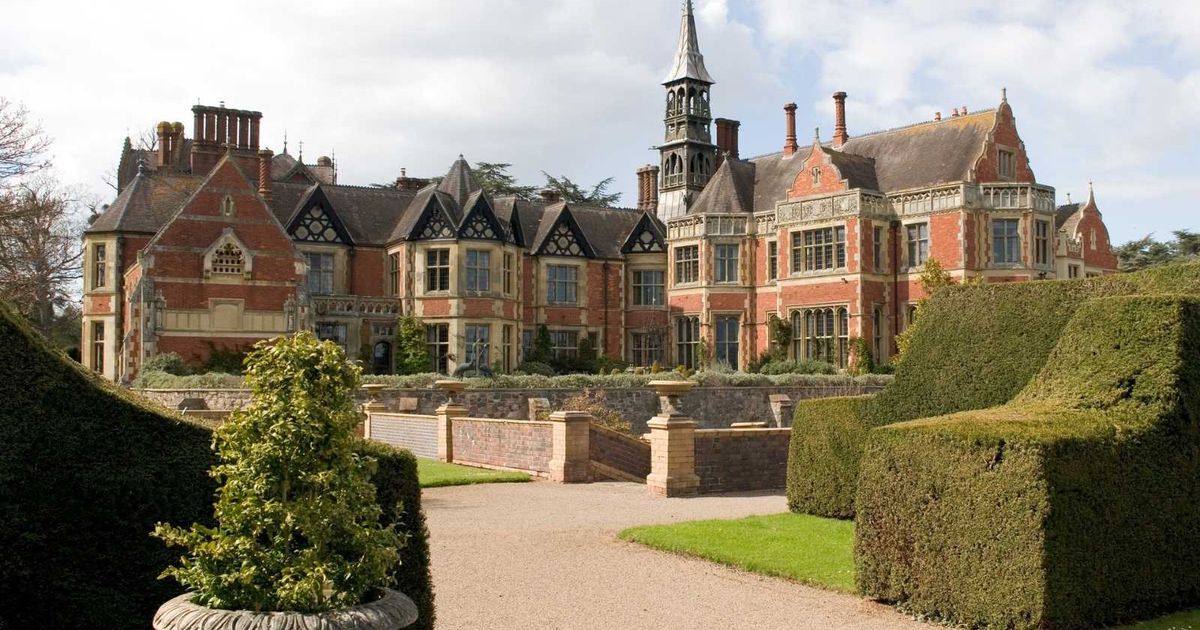
Visit most of Britain’s great houses open to the public, and you get a ticket desk, a gift shop and a rope keeping you a polite distance from the furniture; a handful work differently. The family that has owned the place for centuries still lives there and farms the land, and the way in is […]
Reported by 1 outlet — Seattle Times. See all sources ↓
More Americans are choosing to eat meals at historic British estates that have been owned by the same families for hundreds of years. These estates are still lived in and farmed by the families who own them. Visitors can book dining experiences that take place inside the houses or on the grounds. This trend shows a growing interest in authentic, heritage‑based travel.
Why it matters
It helps preserve historic properties by providing income to the families who maintain them. It also gives travelers a chance to experience British history and culture up close.
- What kinds of places are Americans visiting for dinner?
- Historic British estates that remain family‑owned and still farmed.
- Why are these estates different from typical tourist houses?
- Unlike many public houses, the owners still live there and work the land.
- How does this trend benefit the estates?
- The extra income helps families keep the properties maintained and preserved.
How outlets are framing the same story
Here's how each outlet is covering the story — compare their headlines and timing at a glance.
Since only one outlet is provided, all outlets frame the story the same way.
- Coverage card1 outlet1CoverageScouting report
Record numbers of Americans are dining at historic British estates kept in the family for centuries
Sources1TypeCoverageSeattle Times