
Stocks plummet and Wall Street suffers worst day of 2026 as Fed keeps interest rates steady
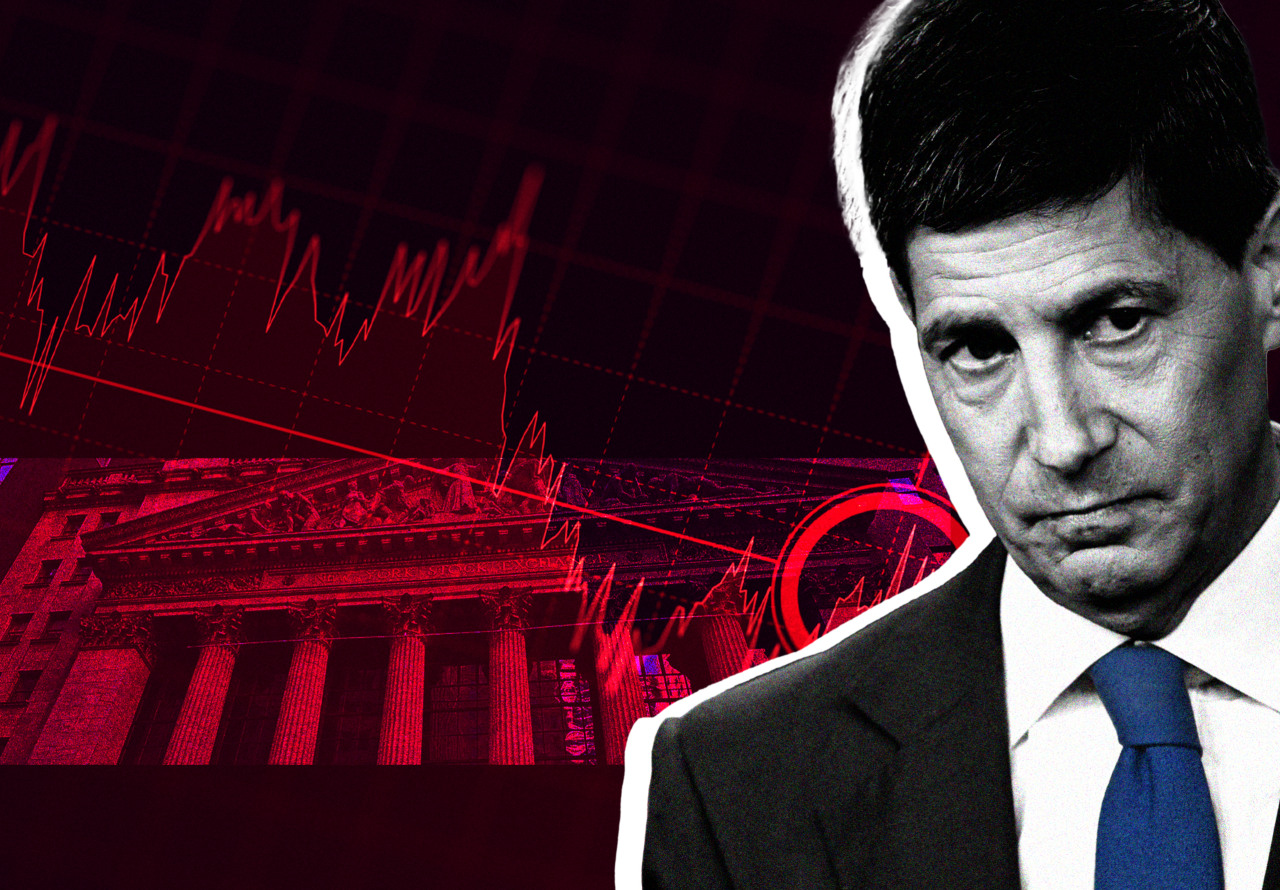
Wall Street saw its roughest day of 2026 as Federal Reserve chair Kevin Warsh announced that interest rates would remain the same, despite some dissent within the Federal Open Market Committee. CBS News' Kelly O'Grady explains more.
Reported by 3 outlets — CBS News, MarketWatch. See all sources ↓
On Wednesday, major US stock indexes fell sharply, marking the worst day for Wall Street in 2026. The Federal Reserve decided to keep interest rates unchanged. Some Fed officials disagreed with the decision, and investors worried about continuing inflation and higher energy costs. At the same time, the yield on long‑term government bonds rose, showing market nervousness.
Why it matters
A big drop in stocks can affect savings, pensions, and the cost of borrowing for businesses and people. It also signals uncertainty about the economy’s direction, which can influence jobs and spending.
- What did the Federal Reserve decide about interest rates?
- It decided to leave them unchanged.
- Why were investors upset after the decision?
- They were worried that inflation remains high and energy prices are rising.
- What happened to bond yields on that day?
- The yield on the 30‑year Treasury bond went up.
How outlets are framing the same story
These are the main editorial angles found across reporting. Use them to quickly compare what different outlets emphasize, omit, or question.
CBS News first stresses the Fed chair’s announcement and internal disagreement; CBS News second highlights inflation and energy prices as the cause; MarketWatch focuses on bond market swings and the loss of a usual market cushion.
- Coverage cardFraming signal1AngleScouting report
Mention of dissent within the Federal Open Market Committee.
Sources1TypeAngleCBS Newshighlights Fed internal dissent
- Coverage cardFraming signal2AngleScouting report
Focus on persistent inflation and spikes in energy prices as reasons for the market reaction.
Sources1TypeAngle - Coverage cardFraming signal3AngleScouting report
Emphasis on rising 30‑year bond yield and the vanished market “crash cushion”.
Sources1TypeAngleMarketWatchnotes rising bond yield and vanished crash cushion