
The Big Mac Index turns 40, and here’s the beef: It’s still relevant
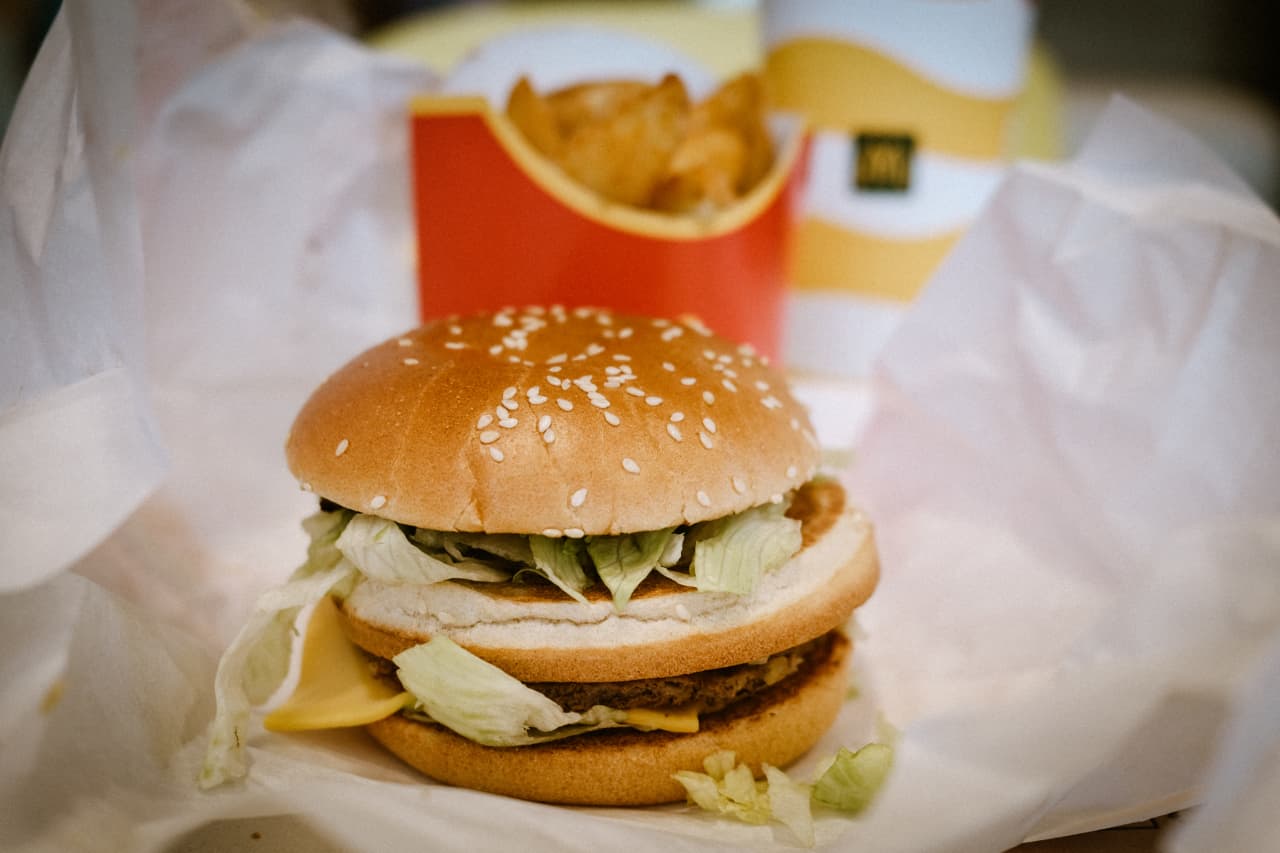
Broadly speaking, burgers are cheaper in Asia, where the U.S. president has accused several countries of currency manipulation.
Reported by 1 outlet — MarketWatch. See all sources ↓
The Big Mac Index, created by The Economist, turned 40 years old. It compares the price of a Big Mac burger in different countries to show if currencies are overvalued or undervalued. The index shows that burgers tend to be cheaper in many Asian countries. Some analysts say this suggests those currencies may be weaker than the U.S. dollar.
Why it matters
It helps people understand exchange rates and purchasing power without complex economics. Knowing if a currency is cheap or expensive can affect travel, trade, and investment decisions.
- What is the Big Mac Index?
- It is a tool that uses the price of a Big Mac to compare currency values across countries.
- Why are burgers cheaper in Asia according to the index?
- Lower burger prices suggest Asian currencies may be undervalued relative to the U.S. dollar.
How outlets are framing the same story
Here's how each outlet is covering the story — compare their headlines and timing at a glance.
Since only one outlet was provided, all outlets frame the story the same way.
- Coverage card1 outlet1CoverageScouting report
The Big Mac Index turns 40, and here’s the beef: It’s still relevant
Sources1TypeCoverageMarketWatch