
The Strait of Hormuz Is Exposing a Blind Spot in the Energy Transition
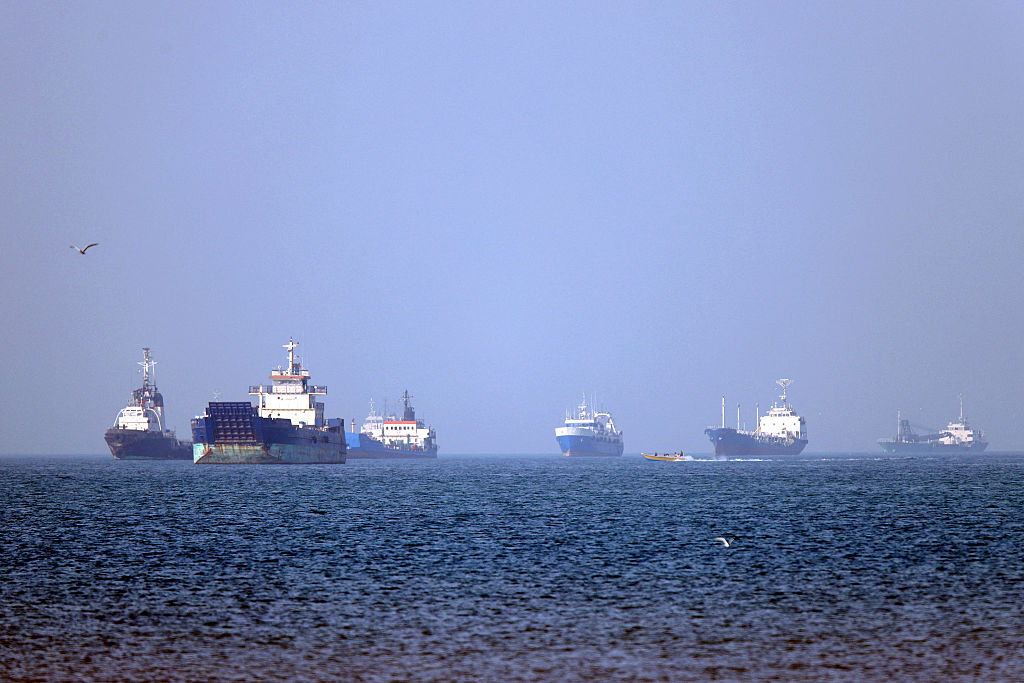
The Strait of Hormuz, a key lane for fuel shipments, has been mostly closed due to the war in Iran. This has led to a focus on electrification and non-fossil fuel power. A broader shift to alternative fuels is being overlooked.
Reported by 1 outlet — TIME. See all sources ↓
The Strait of Hormuz is a waterway that ships use to transport fuel. It has been closed for a while because of the war in Iran. This has made people think about using electricity and non-fossil fuels instead. However, some people are not talking about other alternative fuels.
Why it matters
This matters because it affects how we get energy and how we can reduce our use of fossil fuels. It also shows that we need to think about all the ways we can change our energy use.
- What is the Strait of Hormuz?
- The Strait of Hormuz is a waterway that ships use to transport fuel.
- Why is it closed?
- It is closed because of the war in Iran.
- What are alternative fuels?
- Alternative fuels are other ways to get energy, like electricity and non-fossil fuels.
How outlets are framing the same story
These are the main editorial angles found across reporting. Use them to quickly compare what different outlets emphasize, omit, or question.
The outlets frame the story as a challenge to the energy transition, highlighting the need for alternative fuels beyond electrification and non-fossil fuels.
- Coverage cardFraming signal1AngleScouting report
The importance of alternative fuels beyond electrification and non-fossil fuels
Sources1TypeAngleTIMEHighlights the need for a broader shift to alternative fuels