
The world's biggest solar telescope caught vortexes on the Sun's surface
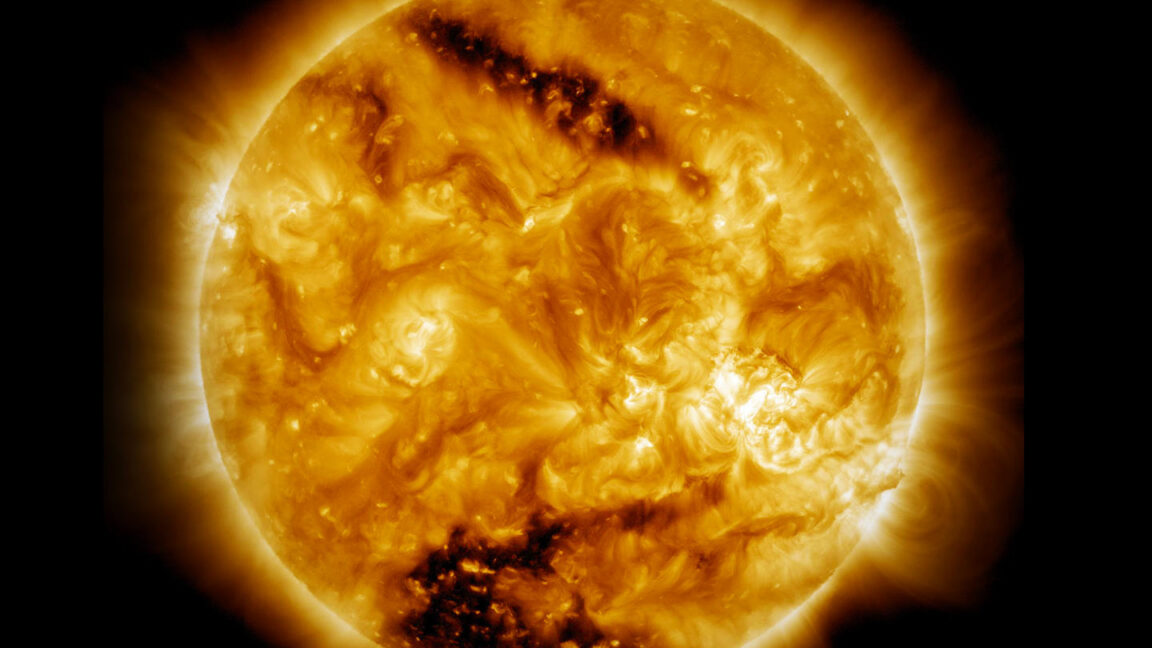
Wherever two fluids slide past each other at different speeds, the boundary between them buckles, then curls, then rolls up into vortexes. It’s called the Kelvin-Helmholtz instability, and the physics behind it was worked out in the late 1860s.
Reported by 1 outlet — Ars Technica. See all sources ↓
Wherever two fluids slide past each other at different speeds, the boundary between them buckles, then curls, then rolls up into vortexes. It’s called the Kelvin-Helmholtz instability, and the physics behind it was worked out in the late 1860s. We know this instability explains why wind causes ripples on the surface of water and clouds shear into a row of curves. For decades scientists argued the same thing must be happening with plasma on the surface of the Sun, and yet nobody had been able to confirm it.
Read the full report at Ars Technica ↗
Why it matters
A world story we're tracking; its significance and source trust firm up as more outlets confirm it.
- What's the story?
- Wherever two fluids slide past each other at different speeds, the boundary between them buckles, then curls, then rolls up into vortexes. It’s called the Kelvin-Helmholtz instability, and the physics behind it was worked out in the late 1860s.
- How widely is it covered?
- 1 outlet, average source rating 7.0/10.
- When was it last updated?
- 7m ago.
How outlets are framing the same story
Here's how each outlet is covering the story — compare their headlines and timing at a glance.
- Coverage card1 outlet1CoverageScouting report
The world's biggest solar telescope caught vortexes on the Sun's surface
Sources1TypeCoverageArs Technica