
Turkiye and Iraq sign one-year oil pipeline deal amid global shift
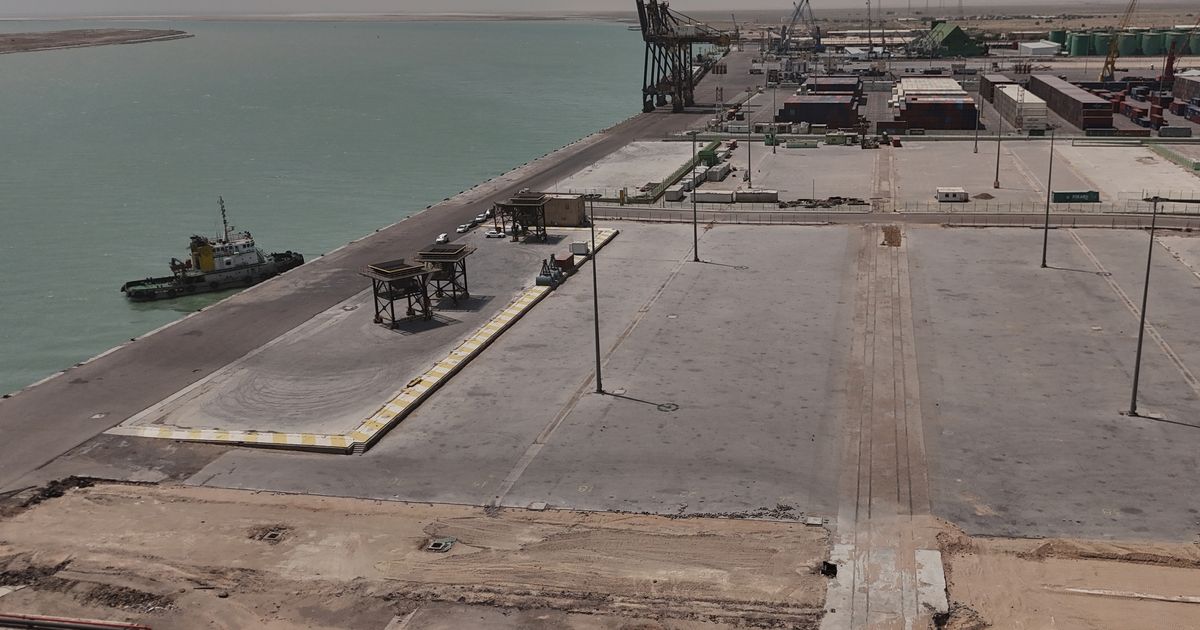
The renewed agreement ensures crude flow of 750,000 barrels a day through the Iraq-Turkiye pipeline, officials confirm.
Reported by 2 outlets — Al Jazeera, Seattle Times. See all sources ↓
Turkey and Iraq have signed a one‑year agreement to use the Iraq‑Turkey oil pipeline. The deal will allow about 750,000 barrels of Iraqi crude to flow each day to Turkey’s Mediterranean port of Ceyhan. Officials say the pipeline will help Iraq export more oil despite regional tensions. The agreement is meant to support energy supplies while shipping routes near the Strait of Hormuz face disruptions.
Why it matters
This deal affects global oil prices because it adds more supply to the market. It also shows how countries adapt their energy routes when key shipping lanes are threatened.
- What is the length of the new pipeline deal?
- It is a one‑year agreement.
- How much oil is expected to move through the pipeline each day?
- About 750,000 barrels of Iraqi crude per day.
- Why did the countries make this deal now?
- To boost Iraqi exports while the Strait of Hormuz faces closures.
How outlets are framing the same story
These are the main editorial angles found across reporting. Use them to quickly compare what different outlets emphasize, omit, or question.
Al Jazeera emphasizes the technical detail of the pipeline’s daily capacity, presenting the deal as a steady flow guarantee. The Seattle Times frames the agreement as a response to Hormuz Strait closures, highlighting its role in boosting exports amid shipping disruptions.
- Coverage cardFraming signal1AngleScouting report
Specific daily flow volume mentioned
Sources1TypeAngleAl Jazeerahighlights 750k barrels per day
- Coverage cardFraming signal2AngleScouting report
Link to Hormuz closures for export boost
Sources1TypeAngleSeattle Timesties deal to Hormuz Strait disruptions